
Companion Plants
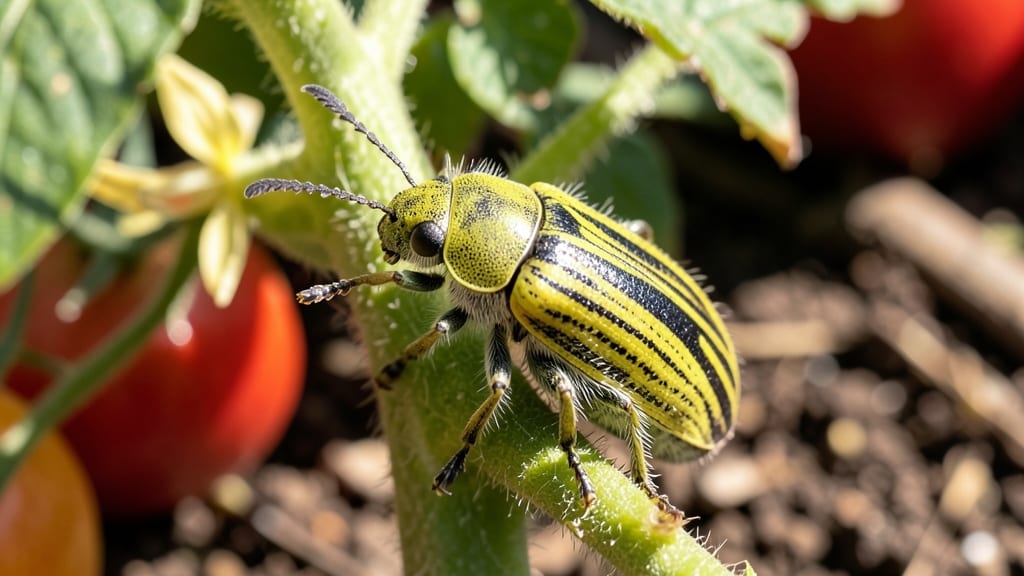
Skunks don't typically eat tomato plants directly, but their foraging habits—digging for insects, grubs, and fallen fruit—can seriously damage your garden by uprooting seedlings or crushing mature plants. The real threat comes from their root disruption rather than leaf consumption.
While skunks aren't attracted to tomato foliage, their nocturnal garden raids create more damage than you'd expect. 🌱 They use their powerful claws to dig through soil, exposing delicate roots and creating perfect entry points for pests.
Young tomato plants are especially vulnerable—skunks can easily pull up seedlings while searching for their favorite treats like beetles and grubs beneath the surface. Even mature plants may suffer if skunks trample them during their nightly foraging sessions, breaking stems and compacting soil around the base.
What makes this particularly frustrating is that skunks rarely return to the same spot unless they find consistent food sources. This means a single visit can leave your tomato patch looking like it's been hit by a bulldozer, with plants struggling to recover from the root trauma.
The good news? Understanding their behavior lets you implement targeted protection strategies before they strike again.
💡 In This Article
- Skunk Diet and Tomato Plant Vulnerabilities
- Effective Skunk Deterrents for Tomato Gardens
Skunk diet and tomato plant vulnerabilities
Skunks primarily target garden soil because their diet consists of 60-80% protein-rich insects and grubs, with fruits making up only about 10-20% of their meals. 🐛 In tomato gardens, they're drawn to beetles, grubs (especially Japanese beetle larvae), and earthworms that thrive in nutrient-rich soil.
Their powerful claws—capable of exerting 15-20 pounds of pressure per square inch—allow them to dig through 6-12 inches of soil in minutes, exposing tomato roots to air and pests. This is why you'll often find freshly turned soil around your plants without any obvious foliage damage.
The real damage occurs during these digging sessions when skunks create 1-3 inch deep trenches around plant bases. For tomato seedlings (1-3 weeks old), this is catastrophic—their shallow root systems (1-2 inches deep) get completely severed, causing plants to wilt within 24-48 hours.
Even mature plants suffer when skunks compact soil around their roots, reducing oxygen flow and triggering root rot. The irony? Skunks rarely eat the tomatoes themselves—they're more interested in the insect buffet beneath your plants than the fruit.
Timing matters most: skunks are nocturnal foragers, meaning they strike between dusk and dawn when gardeners aren't watching. Their digging patterns often follow moisture gradients—they prefer freshly watered soil where insects gather. This explains why drip irrigation systems near tomato beds can double your skunk risk.
The scent of disturbed soil and insect activity acts like a dinner bell, drawing them to your garden repeatedly until the food source diminishes.
Young tomato plants face the highest risk because skunks see them as easy prey. A single skunk can uproot 5-10 seedlings in 10-15 minutes during a foraging session. The damage isn't just aesthetic—exposed roots dry out quickly, making plants susceptible to fungal infections like Phytophthora.
Even if the plant survives initially, its growth is stunted as it struggles to regenerate roots in disturbed soil. This is why gardeners often notice patchy tomato growth rather than uniform damage.
What makes skunks particularly frustrating is their selective foraging behavior. They'll ignore healthy, established tomato plants but target those already stressed by drought, poor soil, or disease. Their digging also creates perfect entry points for cutworms and slugs, which then feed on the exposed roots.
The combination of physical damage and secondary pest invasion can reduce your tomato yield by 30-50% if left unchecked. Understanding this behavior helps explain why skunks cause more harm than actual consumption.
Here's what actually happens during a skunk raid: they use their front claws to pry up soil, then their long, sticky tongues to extract grubs. The process leaves behind crater-like depressions around plant bases, often 3-5 inches wide.
These disturbances don't just harm roots—they also create microclimate changes that accelerate soil erosion and nutrient loss. The result? Your tomato plants spend energy recovering from trauma instead of producing fruit. 🌱