
Plants
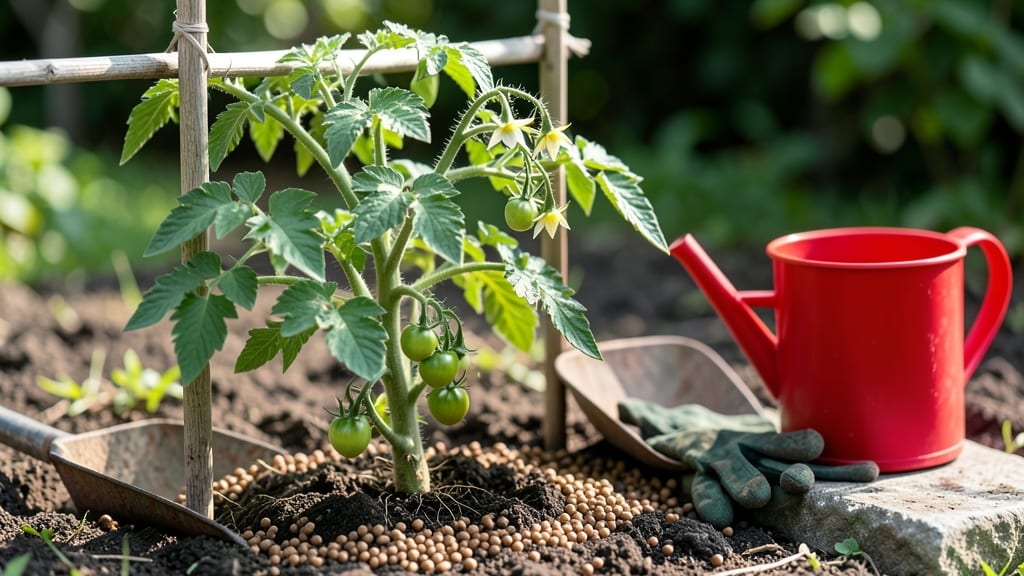
You should fertilize tomato plants at three key stages—transplanting, flowering, and fruiting—to fuel their growth without burning the roots.
Picture this: you’ve just planted your 🍅 seedlings, the soil is warm, and you’re eager for a harvest. But skip the early feeding, and those vines might struggle to support heavy fruit later. The truth? Timing matters more than most gardeners realize.
In Zone 6a, where many home gardeners live, the first feeding should happen 2-3 weeks after transplanting—just as the plants start flexing their roots. Then, switch to a high-phosphorus fertilizer when flowers appear, and dial it back as harvest nears to avoid bitter fruit.
Below, I’ll break down the exact schedule for your climate, plus how to spot over- or under-feeding before it’s too late. No guesswork—just science-backed results for your garden.
Optimal fertilization timeline for tomato plants by growth stage
Fertilizing your tomato plants isn't a one-size-fits-all task—it's a stage-specific process that changes as your plants grow. Timing matters because over- or under-feeding at the wrong stage can stunt growth, reduce flowering, or even harm your crop.
For example, too much nitrogen early on will give you lush leaves but few tomatoes. Let's break down the science-backed schedule tailored to each growth phase, from seedlings to harvest.
Most gardeners make the mistake of fertilizing too early or too late. Seedlings need gentle feeding to establish roots, while flowering plants require phosphorus-rich nutrients to set fruit. Fruiting stage demands balanced nutrition to prevent blossom-end rot.
Understanding these shifts ensures your tomatoes thrive from transplant to harvest. Let’s dive into the exact timeline and methods for organic and synthetic fertilizers.
| Growth Stage | Fertilizer Type | NPK Ratio | Frequency | Climate Notes |
|---|---|---|---|---|
| Seedling (0-4 weeks) | Balanced organic (compost/manure tea) or starter fertilizer | 3-4-2 or 5-5-5 | 1 application after transplanting | Warm climates: Use cooler compost to avoid shock |
| Vegetative (4-6 weeks) | Low-nitrogen organic (fish emulsion) or synthetic (10-10-10) | 5-10-10 | Every 2-3 weeks | Cool climates: Delay until soil warms to 60°F |
| Flowering (6-8 weeks) | Phosphorus-rich (bone meal) or high-P synthetic (5-10-5) | 5-10-5 or 7-9-5 | Every 2 weeks | Hot climates: Water deeply before fertilizing |
| Fruiting (8+ weeks) | Balanced (kelp meal) or low-N (5-5-5) | 5-5-5 or 3-4-6 | Every 3-4 weeks | Rainy seasons: Use slow-release granules |
| Pre-Harvest (2-4 weeks) | Stop fertilizing; use compost tea | N/A | None | All climates: Avoid new growth |
During the seedling stage (first 4 weeks), your tomato plants are focused on root and stem development. This is when a light application of balanced fertilizer (like a 5-5-5 or compost tea) helps establish strong foundations.
I recommend mixing 1 tablespoon of organic fertilizer into the planting hole or applying a diluted liquid feed. Over-fertilizing now can burn tender roots, so less is more—think of it as a gentle nudge to grow.
As your plants enter the vegetative stage (4-6 weeks), they’ll start showing rapid leaf and stem growth. This is when you can increase fertilizer frequency to every 2-3 weeks. Switch to a low-nitrogen, phosphorus-heavy fertilizer (like 5-10-10) to encourage flowering.
For organic gardeners, fish emulsion or bone meal works wonders here. Warm climates may need more frequent watering post-fertilizer to prevent salt buildup.
The flowering stage (6-8 weeks) is critical for fruit set, and your fertilizer should reflect this priority. Phosphorus becomes your best friend—look for ratios like 5-10-5 or 7-9-5. Organic options like bone meal or rock phosphate are excellent choices.
Apply fertilizer every 2 weeks, but avoid high-nitrogen feeds—they’ll promote leaves over flowers. Cool climates might need to wait until nighttime temps stay above 50°F to fertilize.
Once your tomatoes start fruiting (8+ weeks), shift to a balanced or low-nitrogen fertilizer to support fruit development without excessive foliage. A 5-5-5 or 3-4-6 ratio keeps things in check.
Organic options like kelp meal or worm castings provide micronutrients without overstimulating growth. Hot, dry climates benefit from deep watering before fertilizing to help nutrient uptake. Reduce frequency to every 3-4 weeks to avoid blossom-end rot from calcium imbalances.
About 4-6 weeks before harvest, it’s time to pause fertilization entirely. Your plants are redirecting energy to ripening fruit, and new growth can delay maturity. Instead, focus on compost tea or mulch to provide gentle, slow-release nutrients. Over-fertilizing now can lead to bitter-tasting tomatoes or delayed ripening.
This is also when pruning suckers becomes more critical to improve airflow and fruit quality.
For
Climate-Zone adjustments: fertilizing tomato plants in hot vs. cold climates
Your tomato plants thrive when fertilized at the right time, but temperature extremes can drastically alter their nutrient needs. In hot climates (USDA zones 8-10), high heat speeds up nutrient depletion, while cold climates (USDA zones 3-6) slow growth, requiring delayed feeding.
Understanding these differences ensures your plants get the right nutrients without stress.
In hot climates, I start fertilizing 2 weeks after transplanting to compensate for rapid nutrient loss from intense sunlight and evaporation. For cold climates, I wait until soil warms to 60°F (15°C) and growth resumes.
The key is matching fertilizer timing to your local growing season, not a one-size-fits-all schedule.
🌡️ When Should You Fertilize Tomato Plants by Climate?
- Hot Climates (Zones 8-10): Fertilize every 2 weeks from transplanting until first fruit sets, then switch to low-nitrogen feed to prevent leafy growth. Use morning watering to reduce nutrient burn from heat.
- Moderate Climates (Zones 6-7): Begin fertilizing 3 weeks post-transplant and feed every 3 weeks until harvest. Reduce frequency in late summer to avoid overstimulating growth before frost.
- Cold Climates (Zones 3-5): Wait until soil reaches 60°F (15°C) and fertilize lightly every 4 weeks to avoid shocking slow-growing plants. Stop feeding 6 weeks before first frost to harden plants for winter.
- Drought Conditions: Use water-soluble fertilizers during dry spells to prevent nutrient lockout in soil. Apply in evening to reduce evaporation loss.
- Rainy Seasons: Switch to slow-release granules to prevent leaching. Avoid fertilizing during heavy rains—wait until soil dries slightly.
Heat stress can trick tomato plants into thinking they’re nutrient-starved, even when soil is rich. In USDA zones 9-10, I use shade cloth (30-50%) during peak afternoon sun to slow nutrient burn.
For zones 3-4, I opt for warm-season varieties like 'Early Girl' or 'Stupice' that tolerate cooler soils better.
Over-fertilizing in heat causes blossom-end rot, while under-fertilizing in cold stunts growth. I test soil before planting and adjust NPK ratios: 5-10-10 for warm zones, 3-4-6 for cool zones. Organic options like composted manure or fish emulsion work well in both extremes.
Pause fertilization 2-3 weeks before harvest to let flavors concentrate, regardless of climate. In hot zones, this means stopping by late summer, while cool zones may extend feeding until early fall. Always water deeply after fertilizing to activate nutrients.
Monitor your plants’ leaf color: dark green means they’re happy; yellowing indicates over- or under-fertilization. In hot climates, mulch with straw to retain moisture and cool roots, while cold climates benefit from black plastic mulch to warm soil faster.