
How To
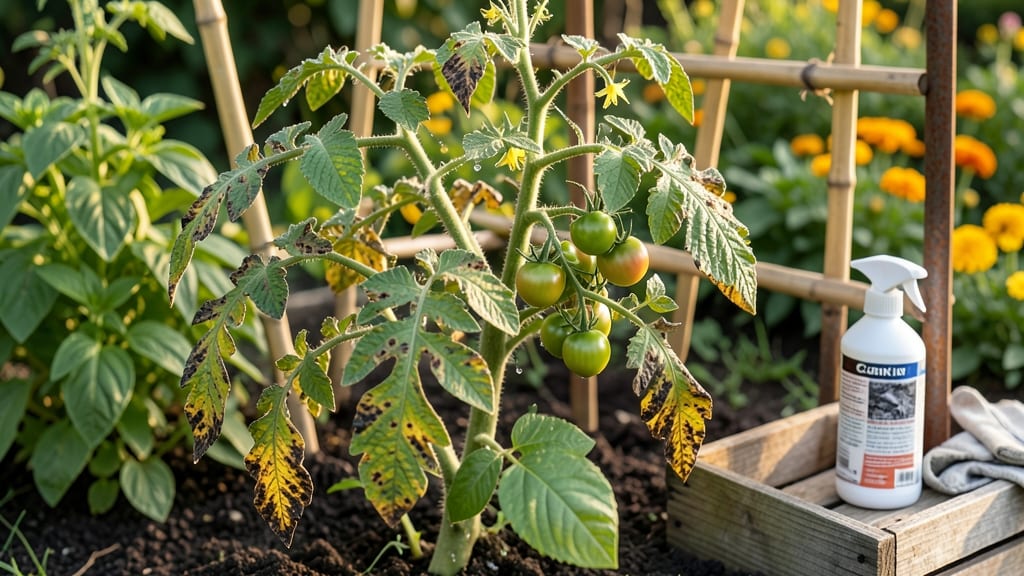
Blotchy tomato leaves mean your plants are silently screaming for help. 🌱 I’ve seen this pattern ruin harvests from early summer to late fall, and the fix isn’t as hard as it looks—once you know what you’re dealing with. Those concentric rings or random yellow spots?
They’re usually early blight, late blight, or septoria leaf spot, but nutrient stress or sunscald can mimic them. The good news? You can stop the spread with 3 simple steps—and save your tomatoes before the fruit gets infected.
By the time you’re done, your plants will bounce back with fresh green leaves and a full set of disease-resistant strategies. The key is acting fast—before the spots turn into holes. Here’s how to diagnose, treat, and prevent it for good—no chemistry degree required.
Root Causes Of Leaf Discoloration
Blotchy tomato leaves aren’t just an eyesore—they’re a cry for help from your plants. Understanding the why behind those unsightly spots is the first step to restoring your tomatoes to their vibrant best.
Below, we break down the most common culprits, complete with science-backed explanations and actionable clues to identify them.
When temperatures soar or sunlight becomes too intense, tomato leaves can develop irregular, yellowish-brown blotches, especially on exposed surfaces. This happens because:
- Excessive transpiration: High heat causes water to evaporate faster than roots can replace it, leading to oxidative stress in leaf cells.
- UV damage: Direct, unfiltered sunlight (especially in hot climates) can bleach chlorophyll, creating crispy, papery spots.
- Water imbalance: Plants may close stomata (pores) to conserve moisture, trapping harmful compounds like ethylene inside leaves, which accelerates browning.
How to spot it: Look for blotches on upper leaves or those facing the sun. The edges may appear crispy or curled, and the damage often worsens in afternoon heat.
Too much love (in the form of water) can drown tomato roots, leading to anaerobic conditions that trigger blotchy, yellowing leaves. Here’s how it unfolds:
- Root suffocation: Waterlogged soil cuts off oxygen, forcing roots to ferment (yes, like bad beer!).
This releases toxic byproducts like ethanol and acetaldehyde, which travel up to the leaves. - Fungal feasts: Excess moisture invites fungal pathogens (e.g., Phytophthora or Pythium), which clog plant tissues and cause oily, blotchy lesions. - Nutrient lockout: Waterlogged soil binds essential nutrients (like nitrogen and potassium), starving leaves of the chlorophyll-building blocks they need.
How to spot it: Check for soggy soil, mushy roots, or leaves with yellow blotches that spread downward from the stem. The undersides of leaves may develop black or brown streaks.
Two sneaky fungi—early blight (Alternaria solani) and Septoria leaf spot (Septoria lycopersici)—are notorious for creating concentric ring spots or target-like blotches on tomato leaves. Here’s their modus operandi:
| Fungus | Symptoms | Science Behind It |
|---|---|---|
| Early Blight | Dark brown, crispy spots with yellow halos; progresses upward. | Spores overwinter in soil, infecting through wounded leaves. The fungus blocks water transport, causing cells to die. |
| Septoria | Small, grayish spots with dark borders; often appear on lower leaves. | Thrives in humid conditions, producing spores that pierce leaf cuticles and release toxins, triggering cell necrosis. |
How to spot it:
- Early blight spots are irregular and leathery.
- Septoria spots are tiny, circular, and often water-soaked at first.
- Both spread from bottom to top as the season progresses.
Tiny but mighty, spider mites and aphids can turn tomato leaves into a blotchy, stippled mess without you even noticing them. Here’s how:
- Spider mites: These microscopic pests suck plant sap, causing chlorophyll loss in tiny, yellow or white speckles (called "stippling"). Severe infestations lead to bronzing (a reddish-brown blotchiness). - Aphids: Their saliva contains toxins that distort leaf tissue, creating yellow, curled patches where they cluster.
They also excrete honeydew, which fosters sooty mold (a black, fuzzy film).
How to spot it:
- Stippling (tiny dots) on upper leaves = mites.
- Sticky residue or black mold = aphids.
- Check leaf undersides with a magnifying glass—you’ll likely find the culprits!
Tomatoes need a balanced diet, and deficiencies in key nutrients can manifest as blotchy, discolored leaves. Here’s what’s missing when you see these signs:
- Potassium (K) deficiency: - Symptoms: Yellow or brown scorch marks on leaf edges (called "marginal burn"), often starting at the older leaves. - Why it happens: Potassium regulates water and enzyme activity.
Without it, cells lose turgor pressure, leading to necrotic (dead) spots.
- Magnesium (Mg) deficiency:
- Why it happens: Magnesium is the center of chlorophyll molecules. A lack of it disrupts photosynthesis, causing leaves to "bleach" from the inside out.
Starved leaves can’t produce enough green pigment, leading to uniform or blotchy paleness.
How to spot it:
- Older leaves first? Likely K or Mg.
- New leaves stunted or pale? Probably N.
- Soil test is your best friend—don’t guess!
Tomatoes aren’t built for rough weather. Strong winds, hail, or even heavy rain can bruise leaves, causing irregular, water-soaked blotches that later turn brown.
- Physical trauma: Wind or hail crushes leaf cells, disrupting their cell membranes and leading to oxidative damage.
- Secondary infections: Broken tissue invites bacteria or fungi to move in, worsening the blotches.
How to spot it:
- Random, uneven patches with no pattern.
- Leaves may tear or show ragged edges.
- Damage often appears suddenly after a storm.
Quick Fixes for Healthy Tomato Plants
Blotchy tomato leaves don’t have to mean the end of your harvest—with the right approach, you can nurse your plants back to health and prevent future issues.
Below are targeted solutions for the most common causes of those pesky yellow or brown spots, along with easy-to-follow steps to get your tomatoes thriving again.
Fungal infections thrive in damp conditions, so act fast to stop the spread.
🔥 Remove Infected Leaves Immediately
- How: Snip off leaves with visible spots using clean scissors or pruners. Dispose of them in the trash (not compost) to prevent reinfection.
- Pro Tip: 💡 Sterilize your tools with rubbing alcohol between cuts to avoid spreading spores.
🍳 Apply Fungicide (Organic or Chemical)
- How:
- Organic Option: Mix 1 tsp baking soda + 1 tbsp vegetable oil + 1 tsp dish soap in 1 quart of water.
Spray leaves thoroughly (avoid fruit). - Chemical Option: Use a copper-based or neem oil fungicide (follow label instructions). - Frequency: Reapply every 7–10 days or after rain.
👨🍳 Improve Air Circulation
- How: Space plants 18–24 inches apart and prune lower leaves to allow sunlight and airflow. Avoid overhead watering—use drip irrigation instead.
⏰ Prevent Future Outbreaks
- Rotate crops yearly to avoid soil-borne fungi.
- Water in the morning so foliage dries quickly.
- Mulch with straw to reduce splashing water onto leaves.
Yellowing between leaf veins often signals root stress from soggy soil.
🔥 Check Soil Moisture
- How: Stick your finger 1–2 inches into the soil. If it’s damp, hold off on watering. Tomatoes prefer slightly dry soil between waterings.
- Fix: Water deeply but infrequently (1–1.5 inches per week, depending on climate).
🍳 Amend Heavy or Compacted Soil
- How: Mix in compost or perlite to improve drainage. For containers, ensure pots have drainage holes.
- Pro Tip: 🌡️ Test your soil’s pH (ideal: 6.0–6.8). Amend with sulfur if too alkaline.
✨ Adjust Watering Techniques
- How: Use drip irrigation or soaker hoses to deliver water at the base, not the leaves.
- Avoid: Watering late in the day, which prolongs leaf wetness and fungal risk.
Scorched or bleached spots? Your tomatoes might be getting too much sun or heat.
🔥 Provide Shade Cloth (Temporarily)
- How: If temps exceed 90°F (32°C), drape 30–50% shade cloth over plants for a few hours daily.
- Alternative: Use a lightweight row cover for afternoon protection.
🍳 Mulch to Regulate Soil Temp
- How: Apply 2–3 inches of straw or grass clippings around the base to keep roots cool and moist.
👨🍳 Harvest Ripe Fruit Promptly
- Why: Overripe tomatoes on the vine can stress the plant. Pick them when fully colored (even if slightly underripe).
🎯 Prevent Future Sun Damage
- Choose heat-tolerant varieties like ‘Solar Fire’ or ‘Heatmaster’ for hot climates.
- Plant in late spring to avoid extreme midday sun early in the season.
Tiny pests suck sap, causing stippled or discolored leaves.
🔥 Blast Off Pests with Water
- How: Spray leaves with a strong stream of water to dislodge aphids or mites. Repeat every few days.
🍳 Use Insecticidal Soap or Neem Oil
- How: Mix 2 tbsp insecticidal soap or neem oil per gallon of water and spray undersides of leaves where pests hide.
- Pro Tip: 🔥 Apply in the early morning or evening to avoid harming beneficial insects.
👨🍳 Introduce Beneficial Predators
- How: Release ladybugs, lacewings, or predatory mites to naturally control pests. Buy them from garden centers.
🎯 Prevent Pest Infestations
- Inspect plants weekly for early signs of pests.
- Remove weeds near tomato plants (they attract pests).
- Rotate crops to disrupt pest life cycles.
Yellowing leaves can signal a hunger for key nutrients.
🔥 Test Your Soil
- How: Use a home soil test kit (available at garden centers) to check pH and nutrient levels.
- Fix: Amend soil based on results—add compost for nitrogen, Epsom salt for magnesium, or potassium-rich fertilizer (like banana peel tea).
🍳 Fertilize Correctly
- For Nitrogen (Yellow Lower Leaves): Use a balanced fertilizer (10-10-10) or fish emulsion.
- For Magnesium (Yellow Between Veins): Sprinkle 1 tbsp Epsom salt per gallon of water and spray foliage.
- For Potassium (Brown Edges): Apply wood ash or a potassium sulfate fertilizer.
👨🍳 Feed Organically
- Compost tea or worm castings provide slow-release nutrients without burning roots.
- Avoid over-fertilizing—too much salt can harm plants.
Final Note: Consistency is key! Monitor your plants daily, adjust care as needed, and soon those blotchy leaves will be a thing of the past—replaced by lush, productive tomato vines. 🍅✨
Frequently asked questions
Why do my tomato leaves have yellow spots with brown edges?
Those concentric rings are likely early blight or Septoria leaf spot, two common fungal diseases. The brown edges appear first, followed by yellow halos as the fungus spreads. These spots start on lower leaves and work upward—remove infected leaves immediately and apply a copper fungicide or baking soda spray to stop the spread.
Can I still eat tomatoes if the leaves are blotchy?
Yes, but only if the fruit itself is healthy. Blotchy leaves usually mean fungal disease (like early blight), which rarely spreads to tomatoes. However, if you see dark spots on the fruit, remove those tomatoes immediately—they can carry the disease. Always wash tomatoes thoroughly before eating.
How do I tell if my tomato leaves are sunburned vs. diseased?
Sunburned leaves show crispy, white or brown patches on upper leaves facing direct sunlight, often with ragged edges. Disease spots (like early blight) are usually concentric rings with yellow halos and appear on both upper and lower leaves. Sun damage happens suddenly after hot days, while disease spreads gradually.
Will pruning blotchy leaves help my tomato plant recover?
Pruning removes the source of infection and improves airflow, which prevents fungal spread. Always use sterilized scissors and cut 1/4 inch above the spot to avoid leaving fungal tissue. For severe cases, remove entire lower branches—new growth will be healthier with better circulation.
How long does it take to see improvement after treating blotchy leaves?
With proper care, you should see new growth in 7-14 days. If using fungicides, reapply every 7-10 days until all signs disappear. For nutrient deficiencies, expect improvements in 2-3 weeks after amending soil. Consistency is key—skip treatments, and the problem will return.