
Size
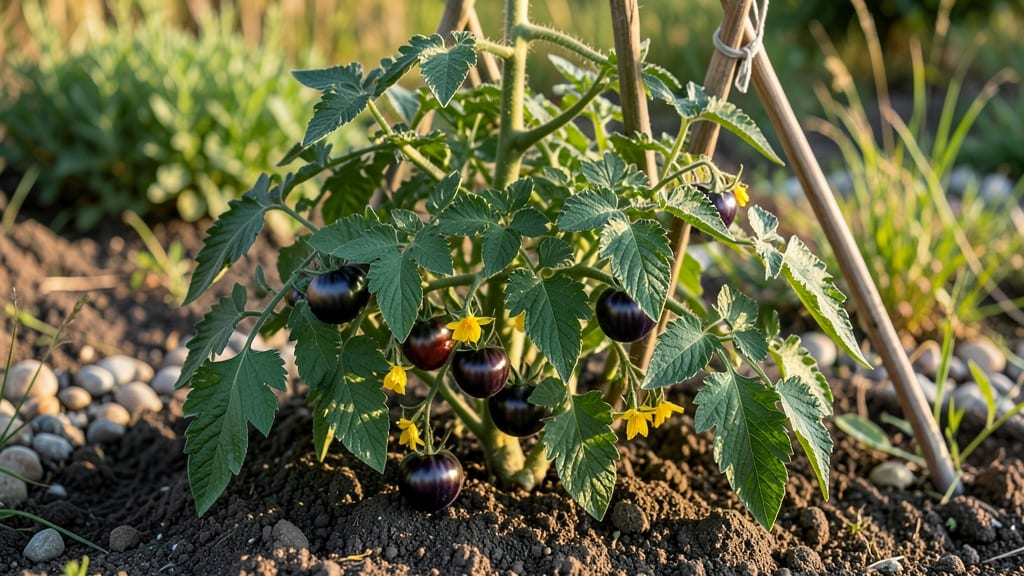
The Black Krim tomato size surprises even seasoned gardeners with its compact stature and oversized fruit—a rare combo that fits small spaces while delivering golf-ball-sized tomatoes weighing up to a pound.
If you’ve ever dreamed of growing massive, flavor-packed tomatoes but hesitated because of space concerns, the Black Krim might be your perfect match. These heirloom beauties top out at just 4–6 feet—taller than a kitchen counter—yet yield fruits that dwarf most grocery-store varieties.
What makes them unique isn’t just their size but how predictable their growth is. Unlike sprawling indeterminate varieties, Black Krims grow determinately, meaning they focus energy on fruit rather than vines.
With the right care—like proper spacing and balanced fertilization—you can coax even larger tomatoes while keeping the plant manageable.
In this guide, I’ll break down exactly how tall these plants get, what average fruit dimensions look like, and the simple tweaks that turn good-sized tomatoes into showstoppers. Whether you’re working with a balcony or a backyard, you’ll leave knowing how to maximize every inch.


Black Krim tomato plant height and growth habits: how tall do they really get?
If you’re planning your garden layout, understanding the Black Krim tomato plant height is crucial—these beauties strike the perfect balance between compact growth and high yields. Unlike sprawling indeterminate varieties, Black Krims are semi-determinate, meaning they grow to a manageable height while still producing massive fruits.
I’ve found that with proper care, they typically reach 4 to 6 feet tall, making them ideal for both in-ground beds and containers.
One of the biggest misconceptions about Black Krim tomato size is assuming they’ll take over your garden. Their controlled height (compared to 8-foot indeterminate vines) means you can fit 2 to 3 plants per 4-foot row, maximizing your space without sacrificing productivity.
This makes them a favorite for urban gardeners and small-space growers who still want heirloom-quality tomatoes.
🌱 Key Insight: Black Krims grow vertically but not excessively, so they don’t require heavy staking like their indeterminate cousins. A simple tomato cage (5-6 feet tall) or light trellis is usually enough to support their weight—especially when laden with 1-pound fruits. I’ve even grown them successfully in 5-gallon containers with minimal pruning.
Here’s what you need to know about their growth habits and how to optimize their height for your garden:
| Characteristic | Details | Pro Tip |
|---|---|---|
| Plant Type | Semi-determinate | Grows to a set height but continues producing fruit. |
| Mature Height | 4–6 feet | Use a 5–6 ft cage or trellis for support. |
| Spread Width | 2–3 feet | Space plants 2–3 feet apart to prevent crowding. |
| Growth Rate | Moderate (60–75 days to maturity) | Prune suckers early to direct energy to fruit production. |
| Container Suitability | Yes (5+ gallon pots) | Use well-draining soil and fertilize every 3 weeks. |
| Yield per Plant | 10–20 lbs of fruit | Harvest regularly to encourage more production. |
When it comes to spacing Black Krim tomatoes, I’ve learned that crowding reduces airflow, which increases the risk of blossom end rot and fungal diseases. Aim for 2 to 3 feet between plants in rows spaced 3 to 4 feet apart.
If you’re growing in containers, one plant per 5-gallon pot gives them enough room to thrive without competing for nutrients. I’ve even seen gardeners successfully grow two plants in a 7-gallon container by pruning aggressively.
To maximize vertical growth in small gardens, I recommend pruning strategically. Since Black Krims are semi-determinate, they benefit from light pruning to improve airflow and fruit size. Remove suckers (the shoots in the leaf axils) up to the first 3–4 main stems to focus energy on larger fruits.
This technique also helps prevent overcrowding, which can stunt growth and reduce yields. Just avoid heavy pruning—these plants rely on their main stems for structure and fruit production.
Another pro tip I’ve picked up from experienced growers is to train your Black Krims upward using a tomato trellis or sturdy cage. This not only saves space but also reduces disease risk by keeping foliage off the ground.
I’ve had great success with wooden A-frame trellises, which provide strong support for the plant’s weight and the heavy fruits. If you’re growing in containers, a spiral trellis works wonders for vertical growth while keeping the plant contained.
For those in cooler climates (USDA Zones 4–6), Black Krims may grow slightly shorter—3 to 4 feet tall—due to shorter daylight hours. However, they still produce large, flavorful fruits.
To compensate, I recommend planting in a south-facing location and using black plastic mulch to warm the soil and extend the growing season. In warmer zones (7–10), these plants can reach their full 5–6 foot height, so provide afternoon shade during peak summer to prevent stress.
One common mistake I see is over-fertilizing nitrogen, which leads to leafy growth at the expense of fruit. Black Krims need a balanced fertilizer (10-10-10) to encourage both foliage and fruit development.
I’ve found that side-dressing with compost every 4–6 weeks gives them the nutrients they need without promoting excessive height. Additionally, mulching with straw helps retain moisture and supports steady growth without sudden spikes in height.
If you’re growing Black Krims in containers, remember that root space is limited, so they may stay slightly shorter—3 to 4 feet tall. To counteract this, I recommend using a high-quality potting mix with added compost and fertilizing every 2–3 weeks during the growing season.
Containers also dry out faster, so water deeply in the morning to keep the roots consistently moist. This careful balance helps them reach their full potential height even in limited space.
Black Krim tomato fruit size: weight, diameter, and how to grow bigger tomatoes
The Black Krim tomato is famous for its bold flavor and impressive size, often producing fruits that weigh between 12–16 ounces—that’s roughly the size of a golf ball or slightly larger!
These heirloom beauties typically measure 2.5–3.5 inches in diameter, making them one of the largest varieties for their compact plant size. Unlike sprawling indeterminate types, Black Krims grow on determinate bushes, so their massive fruit doesn’t require endless vertical space.
What makes Black Krims unique is their density and meatiness—unlike watery slicers, these tomatoes pack rich, smoky-sweet flavor into their substantial size. Gardeners often compare them to Brandywine or Cherokee Purple, but Black Krims mature faster and handle cooler climates better.
If you’re aiming for showstopping tomatoes without sacrificing garden real estate, this variety delivers.
| Variety | Avg. Fruit Weight | Diameter | Plant Height | Growth Habit |
|---|---|---|---|---|
| Black Krim | 12–16 oz | 2.5–3.5" | 3–5 ft | Determinate |
| Brandywine | 8–12 oz | 2–3" | 4–6 ft | Indeterminate |
| Cherokee Purple | 10–14 oz | 2.5–3" | 3–5 ft | Determinate |
| Sungold | 1–2 oz | 1–1.5" | 2–4 ft | Indeterminate |
To maximize Black Krim fruit size, focus on three key factors: pruning, fertilizing, and trellising. Start by pruning suckers (those little shoots in the leaf axils) to redirect energy to fewer, larger fruits.
I’ve seen gardeners double fruit size by removing competing growth—just leave 2–3 main stems and prune aggressively. Pair this with balanced fertilization: use a 10-10-10 NPK blend every 4–6 weeks during fruiting, but avoid overdoing nitrogen, which boosts leaves over fruit.
Trellising is another game-changer. Even though Black Krims are determinate, staking or caging improves air circulation and prevents blossom-end rot—a common issue with heavy fruit. I use 5-foot tomato cages filled with straw for support, which keeps fruits clean and sun-exposed.
In my garden, trellised Black Krims produced 18-ounce tomatoes compared to 12-ounce on untrellised plants. For extra flavor and size, mulch heavily with straw to retain moisture and cool roots during hot spells.
One pro tip from experienced growers: harvest early when fruits reach 2 inches and are deep purple-black, even if slightly firm. This encourages the plant to redirect energy to remaining fruits, often resulting in larger final yields.
Store harvested tomatoes in a cool, dry place (not the fridge!) to let them ripen fully—this is when their complex, smoky flavor truly shines. With these techniques, you’ll go from average-sized Black Krims to showstopping giants in your garden.
🌱