
How To
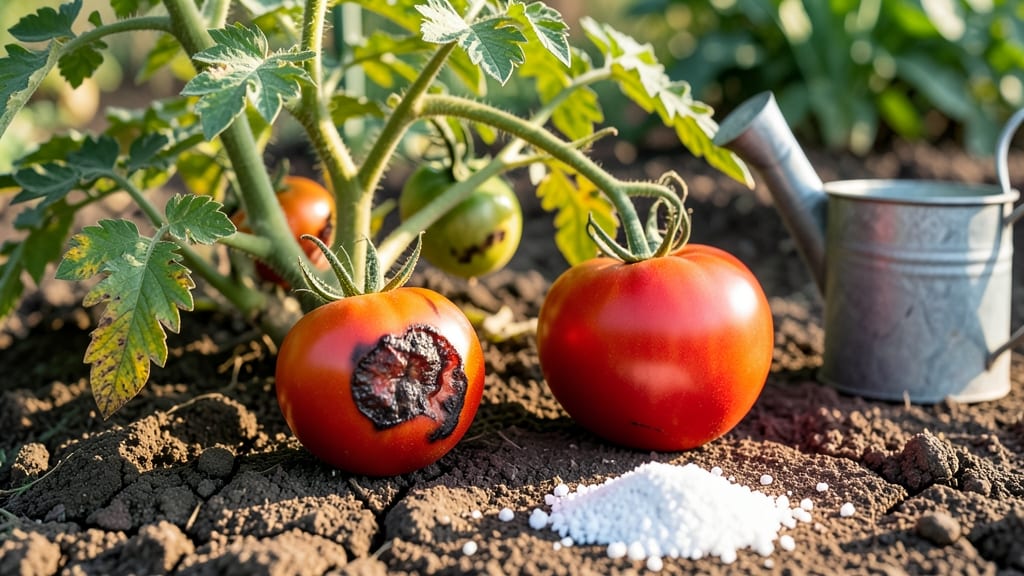
Your tomato plants are screaming for help with those ugly black bottoms on the fruit—this is the tomato blossom end rot cure you’ve been looking for. 🌱 Blossom end rot isn't a death sentence—it's a calcium deficiency that we can fix with a few simple adjustments to your soil and watering routine.
I've saved dozens of plants from this exact problem, and the best part? You don't need fancy tools or expensive amendments.
The real culprit is usually inconsistent watering combined with soil that's either too acidic or too alkaline. When roots can't keep up with the plant's demand for calcium, the youngest fruit suffers first.
The good news is that once you adjust your watering schedule and add a calcium boost, new growth comes back stronger than ever.
Within just 2-3 weeks of making these changes, you'll see fresh blossoms setting without the black spots. The key is staying consistent—no more skipping waterings when it's hot, and no more letting the soil dry out completely between drinks.
Your plants will reward you with juicy, blemish-free tomatoes all season long.
This works for both container-grown tomatoes and in-ground plants, so whether you're dealing with a single potted plant or a full garden bed, the same principles apply. Let's get those tomatoes back on track to a productive harvest!
Root Causes Of Blossom End Rot
Blossom end rot may look like a mysterious curse on your tomato plants, but it’s actually a clear signal from your garden that something’s out of balance. The most common triggers are tied to calcium deficiency and environmental stress, often working in tandem.
Let’s break down the science behind why this happens—and how to fix it before it ruins your harvest.
Calcium is the backbone of cell wall strength in tomatoes, especially during rapid fruit growth. When your plants can’t absorb enough calcium—even if the soil has it—they can’t deliver it to the blossom end (the bottom of the tomato) fast enough.
This leads to weakened cell walls, causing the tissue to collapse and rot.
Why does this happen?
- Insufficient calcium uptake: Even calcium-rich soil won’t help if the plant can’t absorb it due to:
- Too much nitrogen (promotes leafy growth but starves roots of other nutrients).
- Poor soil structure (compacted or waterlogged soil blocks root access to calcium).
- Extreme pH levels (calcium is least available in very acidic or highly alkaline soil; ideal pH: 6.0–6.8).
- Rapid fruit expansion: When tomatoes grow too quickly (thanks to lots of water and fertilizer), they outpace the plant’s ability to supply calcium to developing fruit.
🔍 Quick test: If your leaves look lush but your fruit is rotting, calcium deficiency is likely the culprit.
Tomatoes are 95% water by weight, but inconsistent moisture throws their calcium delivery system into chaos. Here’s how water stress triggers blossom end rot:
- Fluctuating moisture levels: When soil alternates between dry spells and sudden heavy watering, roots struggle to maintain steady calcium flow.
The blossom end—being the last to receive nutrients—rots first. - Overhead watering: Wet leaves can lead to fungal issues (like early blight), which stress the plant and reduce nutrient uptake.
Even if the soil is moist, uneven water distribution (e.g., drip irrigation vs. sprinklers) can cause localized calcium shortages. - Salinity buildup: Over-fertilizing (especially with synthetic salts) or using poor-quality water (high in sodium or chlorine) can burn roots, reducing their ability to absorb calcium.
💡 Pro tip: Aim for 1–1.5 inches of water per week, delivered deeply at the base (not the leaves) to keep roots happy and consistent.
Tomatoes are finicky about their growing conditions. When they’re pushed beyond their comfort zone, their ability to use calcium plummets.
- Extreme heat: Temperatures above 90°F (32°C) disrupt calcium uptake and cause transpiration stress (water loss through leaves outpaces root absorption).
The blossom end suffers first because it’s the youngest, fastest-growing part. - Cold snaps or frost: Chilly nights (<50°F/10°C) slow root activity, starving the plant of calcium just when it needs it most. - Transplant shock: Moving seedlings from pots to the garden (or even relocating mature plants) can temporarily halt root growth, cutting off calcium supply to developing fruit.
🌡️ Ideal conditions: Keep soil temps between 70–85°F (21–29°C) and avoid sudden swings. Mulch helps regulate temperature and moisture!
Not all soil is created equal—and neither are its calcium-delivery systems.
- Compacted soil: Roots can’t spread or absorb nutrients efficiently. Test your soil: If it feels hard or cracks when dry, it’s time to amend it with compost or perlite. - Lack of organic matter: Calcium binds to organic material in soil.
If your soil is sandy or clay-heavy with little compost, calcium washes away or becomes locked up. - Phosphorus or potassium excess: These nutrients compete with calcium for uptake. A soil test will reveal imbalances—look for a Ca:Mg ratio of at least 4:1.
📊 Soil fix: Mix in crushed eggshells, bone meal, or gypsum (calcium sulfate) to boost availability. For heavy clay, add peat moss or coconut coir to improve structure.
Not all tomato varieties handle stress equally. Heirloom and indeterminate varieties (like Beefsteak or Brandywine) are more susceptible to blossom end rot because:
- They produce large, fast-growing fruit that outstrips calcium supply.
- Their vines are less efficient at redistributing nutrients compared to bushier determinate types (like Roma or Cherry).
✨ Workaround: If you love heirlooms, prune aggressively to limit fruit load or side-dress with calcium during flowering.
When pests (like aphids, whiteflies, or hornworms) or diseases (early blight, fusarium wilt) attack your plants, they divert energy away from fruit development. Less calcium reaches the blossom end, and rot sets in.
🛡️ Prevention:
- Monitor plants weekly for pests (especially undersides of leaves).
- Rotate crops to prevent soil-borne diseases.
- Use neem oil or insecticidal soap for early pest control.
Blossom end rot is rarely just a calcium problem—it’s usually a combination of poor uptake, environmental stress, and mismanaged growing conditions. The good news? Once you identify the root cause (or causes), you can target fixes to save your tomatoes.
Next up: How to Cure and Prevent It—because knowledge is power, and your harvest is worth it! 🍅💪
Fixing Blossom End Rot Naturally
Blossom end rot may look devastating, but with the right approach, you can revive your tomatoes and prevent future outbreaks. The key is addressing the root cause—calcium deficiency—while adjusting your growing conditions.
Below, we’ve mapped out practical, step-by-step solutions tailored to each trigger, plus proactive tips to keep your plants thriving.
If your tomatoes are already showing dark, sunken spots, act quickly to restore calcium levels.
H3: 💧 Water with Calcium-Rich Solutions Calcium needs to reach the fruit before it sets, but you can still help existing blossoms by:
- Mixing 1 tbsp of calcium chloride or gypsum per gallon of water and applying it to the soil (not leaves).
- Using crushed eggshells: Rinse and dry eggshells, grind into a fine powder, and sprinkle around the base of plants. Water lightly to dissolve.
- Applying a foliar spray (like liquid calcium nitrate) in the early morning to prevent leaf burn.
💡 Pro Tip: Avoid overwatering—calcium absorbs best in consistently moist (not soggy) soil. Aim for 1–2 inches of water per week, including rainfall.
Fluctuating water levels and poor pH block calcium uptake. Fix these imbalances to stop rot in its tracks.
H3: 💧 Keep Soil Evenly Moist
- Water deeply 2–3 times per week (early morning is best) to encourage steady calcium absorption.
- Mulch heavily (straw, grass clippings, or wood chips) to retain moisture and cool roots.
- Avoid overhead watering—wet leaves can spread disease, and uneven watering stresses plants.
H3: 📊 Test & Adjust Soil pH
- Ideal pH for tomatoes: 6.0–6.8. Test your soil with a home kit (available at garden centers).
- Lower pH (too acidic)? Sprinkle lime (calcium carbonate) and mix into the top 6 inches of soil.
- Raise pH (too alkaline)? Add sulfur or peat moss to acidify gradually.
✨ Quick Fix: If pH is off, flush the soil with water to reset minerals before reapplying amendments.
Heat stress and poor nutrition worsen blossom end rot. Tweak your garden setup for resilience.
H3: 🌿 Provide Consistent Nutrition
- Fertilize lightly with a balanced 10-10-10 or 5-5-5 formula (high nitrogen early on, then shift to phosphorus-heavy like 5-10-10 when flowers appear).
- Avoid over-fertilizing—too much salt (from synthetic fertilizers) can block calcium.
- Side-dress with compost every 3–4 weeks for slow-release nutrients.
H3: 🌡️ Shield Plants from Heat Stress
- Use shade cloth (30–50%) during 90°F+ days to reduce transpiration (which pulls calcium away from fruit).
- Prune lower leaves to improve airflow and prevent sunscald on exposed fruit.
- Harvest early if rot appears—smaller tomatoes ripen faster and may still be edible.
Stop rot before it starts with these long-term strategies:
H3: 🌱 Start with Calcium-Rich Soil
- Amend beds before planting with:
- Composted manure (well-aged)
- Crushed oyster shell (slow-release calcium)
- Bone meal (for phosphorus + calcium)
H3: 🌱 Choose Resistant Varieties Some tomatoes handle calcium stress better:
- ‘Mountain Merit’ (disease-resistant)
- ‘Celebrity’ (consistent producer)
- ‘Solar Fire’ (heat-tolerant)
H3: 🌱 Monitor & Act Early
- Check soil moisture daily during dry spells.
- Remove affected fruit immediately to redirect plant energy.
- Rotate crops—don’t plant tomatoes (or peppers/eggplants) in the same spot yearly.
If your tomatoes are small but firm, they may still ripen off the vine:
- Pick early when slightly green.
- Store in a cool, dark place (60–70°F).
- Ripen with ethylene: Place a banana or apple in the bag to speed up the process.
⚠️ Warning: Discard mushy, moldy, or foul-smelling tomatoes—they can harbor pathogens.
Key Takeaway: Blossom end rot is 90% preventable with consistent calcium, steady water, and smart growing habits. Start with soil fixes, then protect plants from stress, and you’ll save your harvest—and your sanity! 🌱🍅
Frequently asked questions
Can I still eat tomatoes with blossom end rot?
Yes, but only if the rot is minor and hasn't spread. Cut off the affected area (about 1/2 inch around the black spot) and use the rest of the tomato. Discard any that are mushy, moldy, or have a foul odor, as these may harbor harmful bacteria. For future harvests, focus on prevention to avoid this issue entirely.
How quickly will my tomato plants recover after treating blossom end rot?
With proper care, you should see improvement within 2-3 weeks. New blossoms should form without rot if you maintain consistent moisture and calcium levels. Existing fruit with early-stage rot may still develop, but new growth will be healthier. Monitor soil moisture daily during hot weather to speed up recovery.
Is crushed eggshells really an effective calcium source?
Crushed eggshells are a natural, slow-release calcium source that works wonders. Rinse and dry the shells, then grind them into a fine powder. Sprinkle around plant bases and water lightly to dissolve. For faster results, mix with compost or use as a foliar spray. Just be patient—it may take 2-4 weeks to see full effects.
Why does my potted tomato plant get blossom end rot more often than in-ground plants?
Container plants dry out faster and have limited root space, making calcium uptake inconsistent. Use a well-draining potting mix with added compost, and water daily during hot weather. Also, ensure your pot has drainage holes and choose a larger container (at least 5 gallons) for better root development.
Will compost alone fix blossom end rot?
Compost helps, but it may not provide enough calcium quickly. While it improves soil structure and adds organic matter, you'll still need to supplement with calcium sources like gypsum or crushed eggshells. Aim for a balanced approach: compost for long-term health + calcium amendments for immediate results.