
Companion Plants
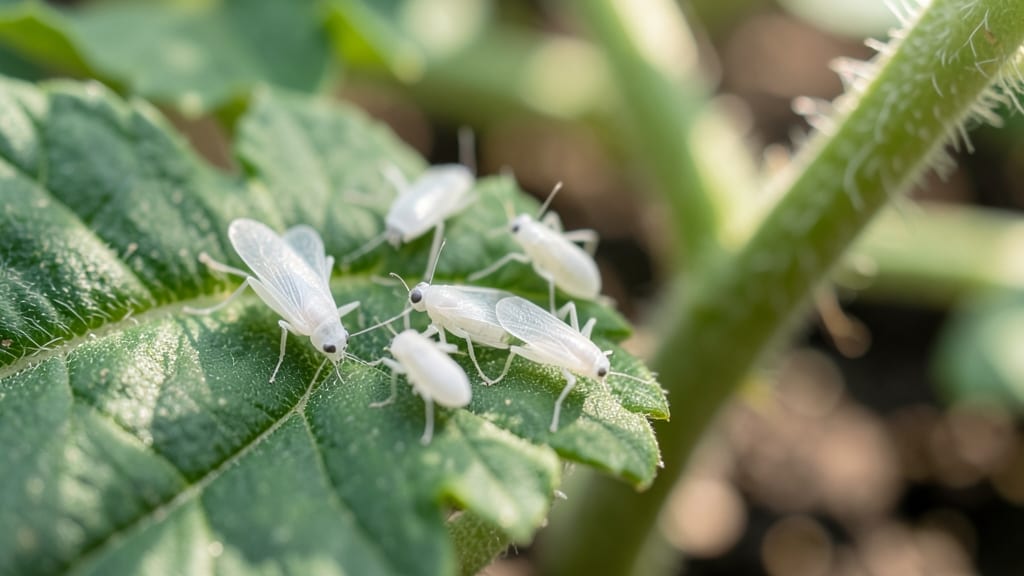
Those tiny white bugs on your tomato plants? 🌱 They’re not just annoying—they’re sucking the life out of your harvest. I’ve battled whiteflies, aphids, and fungus gnats on my tomatoes, and I’ve learned the organic fixes that actually work without harsh chemicals.
The key is attracting natural predators before the bugs take over.
Most gardeners reach for sprays first, but the real solution is prevention through biodiversity. Planting marigolds, basil, or dill nearby confuses pests and draws in ladybugs, lacewings, and parasitic wasps—their natural enemies.
Even a small patch of alyssum or nasturtium can turn your tomato patch into a bug-free zone. The secret? Timing—start these companions when your tomatoes are just sprouting.
Once the bugs arrive, you’ll see them clustering on undersides of leaves or swarming when you shake the plant. A quick spray of soapy water (1 tsp dish soap per quart of water) knocks them back, but the long-term fix is yellow sticky traps placed near the plants.
Within a week, you’ll notice fewer pests—and more tomatoes. The best part? Your plants stay chemical-free while thriving.
This method works for container gardens, raised beds, or in-ground plots. The only downside? You’ll need to keep an eye on the companion plants too—but trust me, the trade-off is worth it for that first juicy heirloom tomato. Let’s get those bugs under control the natural way.
Root Causes of Tiny White Invaders
Those pesky tiny white bugs—likely whiteflies, aphids, or fungus gnats—don’t just appear out of nowhere. Several key factors create the perfect storm for an infestation on your tomato plants.
Understanding these triggers helps you disrupt their lifecycle before they take over. Here’s why they show up in the first place:
Tomato plants under stress are like an all-you-can-eat buffet for tiny pests. When plants are crowded, nutrient-deficient, or waterlogged, their natural defenses weaken, making them more attractive to insects.
Whiteflies, for example, thrive on plants with soft, new growth—common in overcrowded gardens or those lacking proper spacing (aim for 18–24 inches between plants).
Additionally, improper watering (either drought stress or soggy roots) signals distress to bugs. Fungus gnats, in particular, love moist soil, so overwatering or poor drainage turns your tomato bed into their nursery.
Stagnant air and high humidity create a greenhouse effect around your tomato plants—ideal for whiteflies and aphids. These bugs adore warm, humid conditions (think 70–85°F and 60%+ humidity), which slow down natural predators like ladybugs and lacewings.
Without airflow, pests multiply unchecked, and fungal diseases (like powdery mildew) can further stress plants, making them more vulnerable.
Actionable fix: Prune plants to improve airflow and avoid watering foliage (stick to drip irrigation or soaker hoses to keep leaves dry).
Not all companion plants are created equal—some actually attract tiny white bugs to your tomato patch! For example:
- Basil can repel some pests, but if planted too close to tomatoes, it may compete for nutrients, weakening the tomatoes and making them more susceptible to infestations.
- Marigolds deter certain bugs, but their strong scent can also confuse beneficial insects (like parasitic wasps) that hunt whiteflies.
- Weeds or decaying organic matter near tomato plants provide hiding spots and food sources for pests. Always clear debris and mulch properly.
Pro tip: Use repellent companions like garlic, chives, or nasturtiums—they mask tomato scents without harming the plant’s health.
Soil pH and nutrient levels play a huge role in pest attraction. Whiteflies and aphids are drawn to plants with:
- High nitrogen levels (lush, soft growth they love to feed on).
- Low phosphorus/potassium (weakens plant immunity).
- Unbalanced pH (ideal pH for tomatoes: 6.0–6.8; outside this range, plants struggle).
Test your soil annually and amend with compost or balanced fertilizer (like 5-5-5) to keep tomatoes robust and less appealing to pests.
Key takeaway: Tiny white bugs exploit weak, stressed, or poorly managed plants. By addressing crowding, humidity, companion plant choices, and soil health, you remove their invitation to crash your tomato party.
How to Eliminate Tiny White Pests Naturally
Tiny white bugs like aphids, whiteflies, or fungus gnats can wreak havoc on your tomato plants, but you don’t need harsh chemicals to tackle them. Below are targeted, eco-friendly solutions tailored to the most common causes—plus prevention tips to keep your plants thriving.
Before treating, confirm the culprit:
- Aphids: Clustered on new growth, sticky residue (honeydew).
- Whiteflies: Flit away when disturbed, yellowing leaves.
- Fungus gnats: Tiny flies near soil, larvae in damp potting mix.
- Mealybugs: Cottony white patches, often in leaf crevices.
👨🍳 Spray Solutions (For Aphids & Whiteflies) 1. Soapy Water Spray 🧼
- Mix 1 tsp mild dish soap (like Castile) + 1 quart water in a spray bottle.
- Test on a small leaf first—soap can burn tender foliage.
- Spray directly on bugs (especially undersides of leaves) until soaked.
Repeat every 3–4 days for 2 weeks. - Pro tip: Add 1 tsp neem oil to boost effectiveness.
- Neem Oil Treatment 🌿
- Combine 1 tbsp neem oil, 1 tsp mild soap, and 1 quart water.
- Shake well and spray evenly on all plant surfaces (including stems).
- Reapply every 7–10 days or after rain. Neem disrupts bug life cycles but is safe for plants.
- Horticultural Oil (For Stubborn Infestations) 🛡️
- Use refined oil (like JMS Stylet Oil) mixed as directed.
- Spray thoroughly and cover plants with a plastic bag for 24 hours to smother bugs.
- Best for whiteflies—reapply weekly until gone.
🔪 Fix Damp Soil & Larvae
- Let the Soil Dry Out 🌞
- Fungus gnats thrive in overly moist soil. Allow the top 1–2 inches to dry between waterings.
- Prevention: Use well-draining pots and avoid saucers that trap water.
- Beneficial Nematodes 🐛✨
- Purchase Steinernema feltiae (sold online or at garden centers).
- Mix with water and apply to damp soil in the evening. Nematodes paralyze and kill larvae within days.
- Best for: Fungus gnats and root maggots.
- Diatomaceous Earth (DE) Dust 🏺
- Sprinkle food-grade DE lightly on dry soil and leaf surfaces.
- It dehydrates bugs but is harmless to plants. Reapply after rain.
- Caution: Avoid breathing in DE dust—wear a mask.
🌱 Companion Planting & Garden Hygiene
- Plant Bug-Repelling Companions 🌿
- Marigolds (deter whiteflies & aphids with their scent).
- Basil (confuses pests and improves tomato flavor).
- Garlic & Chives (natural insect repellents).
- Bonus: Interplant with nasturtiums to lure aphids away from tomatoes.
- Encourage Natural Predators 🦋
- Ladybugs (devour aphids), lacewings (eat whiteflies), and parasitic wasps (control mealybugs).
- Buy beneficial insect eggs or larvae from garden stores and release them near infested plants.
- Prune & Clean Regularly ✂️
- Remove yellowing or heavily infested leaves immediately.
- Wipe down leaves with a damp cloth to dislodge eggs and pests.
- Pro tip: Discard pruned material in sealed bags—don’t compost infested plant debris.
- Yellow Sticky Traps 🎯
- Hang yellow cards coated with sticky glue near plants to catch adult whiteflies.
- Place traps above the canopy for best results.
- Rotate treatments to prevent resistance (e.g., alternate soapy water with neem oil).
- Water at the base (not overhead) to avoid attracting fungus gnats.
- Inspect new plants before adding them to your garden—quarantine for 2 weeks to spot hitchhikers.
- Use reflective mulch (like aluminum foil) around plants to disorient whiteflies.
By combining immediate action with preventive care, you’ll keep those tiny white pests in check—without chemicals. Your tomato plants will stay healthy, and you’ll enjoy a bountiful, stress-free harvest! 🍅🌱
Frequently asked questions
What are the most common tiny white bugs on tomato plants?
The usual suspects are whiteflies, aphids, and fungus gnats. Whiteflies look like tiny moths that flutter away when disturbed, while aphids cluster on new growth. Fungus gnats are more noticeable as tiny flies hovering near soil. Mealybugs (cottony white patches) are less common but still possible.
Why do these bugs keep coming back even after treatment?
Pests often return because their life cycle isn't fully disrupted. Eggs may remain hidden, or you might be missing larvae in soil. Rotate treatments (like alternating soapy water with neem oil) and focus on prevention—fix watering habits, improve airflow, and add companion plants. Consistency is key!
Are homemade sprays safe for tomato plants?
Most natural sprays (soapy water, neem oil) are safe when used correctly. Always test on a small leaf first—some plants may react to soap. For extra safety, use 1 tsp mild Castile soap per quart of water and avoid spraying in direct sunlight.
Can I use chemical pesticides on tomato plants?
While chemical pesticides work fast, they can harm beneficial insects and leave residues on edible fruit. If you choose this route, opt for pyrethrin-based sprays (derived from chrysanthemums) and apply only when tomatoes are mature. Always follow label instructions carefully.
How do I prevent tiny white bugs before they appear?
Start with healthy plants—space tomatoes properly (18-24 inches apart) and use well-draining soil. Plant companion herbs like basil or marigolds nearby, and encourage natural predators (ladybugs, lacewings) by avoiding broad-spectrum pesticides. Regularly inspect plants and remove any signs of stress!