
Planting
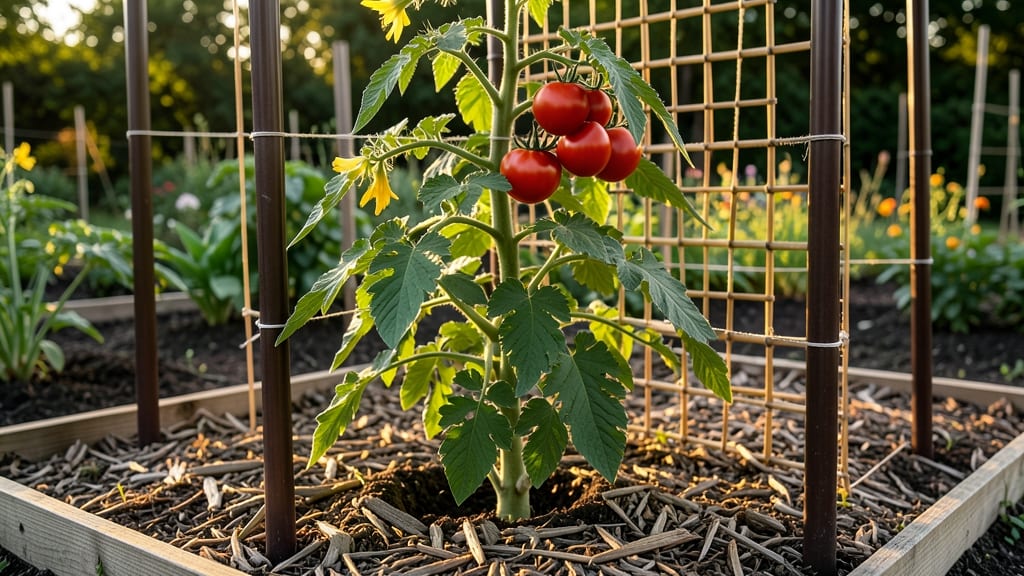
Spacing beefsteak tomato plants correctly is the single most important factor in growing fruit the size of your palm 🍅 and avoiding blight.
Picture this: you’ve staked your plants, fed the soil, and even pruned like a pro—yet your beefsteak tomatoes stay small or rot before ripening. The issue? Too little space. Crowded plants trap moisture, block sunlight, and invite disease, turning your dream harvest into a sad pile of underwhelming veggies.
Beefsteak tomatoes need room to stretch their 6-foot vines, spread their leaves for photosynthesis, and breathe. Get the spacing wrong, and you’re fighting a losing battle against powdery mildew, blight, and stunted growth.
But nail it, and you’ll see bigger fruit, fewer pests, and plants that thrive from July through September.
In this guide, I’ll break down the exact spacing for in-ground, container, and trellis setups—plus how to fix common mistakes that shrink your harvest. Whether you’re a backyard gardener or a large-scale grower, these proven layouts will transform your beefsteak tomatoes from “meh” to “wow.”

Optimal beefsteak tomato spacing by growing method (indeterminate varieties)
Beefsteak tomatoes need significantly more space than their cherry or grape counterparts because their large fruit and vigorous vines demand proper airflow and sunlight. Unlike compact varieties, indeterminate beefsteak plants grow 6+ feet tall and sprawl widely, producing 1-pound+ tomatoes that require structural support and elbow room.
Crowding leads to stunted growth, disease outbreaks, and smaller fruit—so spacing isn’t optional, it’s essential.
Your growing method—whether in-ground, containers, or trellises—dictates the exact spacing rules. For example, in-ground plants need 36–48 inches between vines, while containers force you to prune aggressively and use dwarf varieties.
Even row orientation matters: north-south rows maximize sunlight exposure, while east-west rows can shade neighboring plants. Let’s break down the science-backed spacing for each method to ensure your beefsteak tomatoes reach their full potential.
| Growing Method | Plant-to-Plant Distance | Row Spacing | Key Benefits |
|---|---|---|---|
| In-Ground | 36–48 inches | 24–36 inches | Maximizes root spread, reduces blight risk, and allows full sunlight penetration. |
| Containers (5+ gallon) | 18–24 inches | N/A (single plant per container) | Prevents soil compaction, improves drainage, and enables urban gardening. |
| Trellis/Cage | 24–36 inches | 18–24 inches | Saves space, improves airflow, and supports heavy fruit loads without sprawl. |
| Square Foot Gardening | 1 plant per 1 sq ft | N/A (grid-based) | Optimizes small spaces, reduces water waste, and simplifies rotation. |
In-ground planting offers the most flexibility for beefsteak tomatoes because the soil provides natural stability and nutrient depth. Aim for 36–48 inches between plants and 24–36 inches between rows to balance airflow with sunlight access.
For example, a 4-foot spacing between vines gives each plant a 12-square-foot footprint, which is critical for root expansion and fruit development. If your soil is heavy clay, increase row spacing to 36 inches to prevent waterlogging, which fuels blight and rot.
Containers force you to think vertically and prune ruthlessly. A 5-gallon container is the minimum size for a beefsteak tomato, but even then, you’ll need to prune suckers aggressively and train vines upward. Space containers 18–24 inches apart to avoid shading.
Use self-watering pots to maintain consistent moisture, as containers dry out 3x faster than in-ground beds. My go-to container mix is 60% potting soil, 20% compost, and 20% perlite for drainage.
Trellises and cages are a game-changer for small gardens or urban spaces. By growing vertically, you save 70% of horizontal space while improving air circulation. Use a 6-foot tall trellis or sturdy cage (like the Baker Creek 6-foot tomato tower) and space plants 24–36 inches apart.
For trellises, weave vines through soft twine to avoid damaging stems. Prune aggressively to focus energy on fruit production rather than foliage. I’ve seen beefsteak tomatoes on trellises yield 20% more than uncaged plants due to reduced disease pressure.
Sunlight exposure is the #1 factor affected by spacing. Beefsteak tomatoes need 6–8+ hours of direct sun, but crowded plants shade each other, leading to smaller fruit and poor ripening.
North-south row orientation ensures even sunlight throughout the day, while east-west rows can create hot spots where some plants get too much sun and others get too little.
If you’re in a shady climate, opt for dwarf varieties like 'Stupice' and space them 18 inches apart in raised beds for better light penetration.
Disease prevention hinges on <
Common spacing mistakes that shrink beefsteak tomatoes (and how to fix them)
If your beefsteak tomatoes are producing puny fruit or battling fungal diseases, spacing mistakes are likely the culprit. These plants need 24-36 inches between stems and 3-4 feet between rows—any less creates a recipe for disaster.
The good news? Fixing these errors is simple once you spot the warning signs.
Overcrowded plants compete for nutrients, sunlight, and airflow, leading to stunted growth and disease hotspots. I’ve seen gardens where tomatoes were planted just 12 inches apart, resulting in powdery mildew and blossom end rot.
Let’s break down the five most common spacing errors and how to correct them before your next planting season.
- Yellowing leaves on lower stems = poor airflow
- White powdery residue on foliage = mildew risk
- Stunted growth (plants <3 ft tall by mid-summer) = nutrient competition
- Fruit cracking or small size = insufficient sunlight
Mistake #1: Planting in tight rows (e.g., 18 inches between rows). This traps moisture and blocks sunlight from reaching the lower leaves, where diseases like early blight thrive. Solution: Space rows 3-4 feet apart for proper circulation and sunlight penetration to the soil.
Mistake #2: Ignoring indeterminate growth habits. Beefsteak tomatoes can grow 6+ feet tall—planting them too close to fences or structures restricts their vertical expansion. Always allow 36 inches of clearance behind each plant for trellising or staking.
Mistake #3: Skipping container spacing rules. In pots, beefsteak tomatoes need at least 18-inch diameter containers (5-gallon minimum) to avoid root binding. Smaller pots lead to root circling, which stunts fruit production. Use self-watering containers to prevent overwatering in confined spaces.
Mistake #4: North-South row orientation. Planting rows on an east-west axis creates shade competition as the sun moves across the sky. Reorient rows north-south to ensure all plants receive equal sunlight exposure throughout the day. This simple fix can double your yield!
Mistake #5: Overlooking companion plants. Crowding beefsteak tomatoes with competitive plants (like corn or large squash) steals their resources. Instead, pair them with basil or marigolds—these companions improve airflow and deter pests without stealing space. Always leave 12-inch buffer zones around companions.
Proper spacing isn’t just about giving your beefsteak tomatoes room to grow—it’s about preventing disease, maximizing sunlight, and ensuring each plant gets the nutrients it deserves.
Start by auditing your current layout: if plants are touching, it’s time to thin, prune, or replant. Your future harvests will thank you! 🌱