
Size
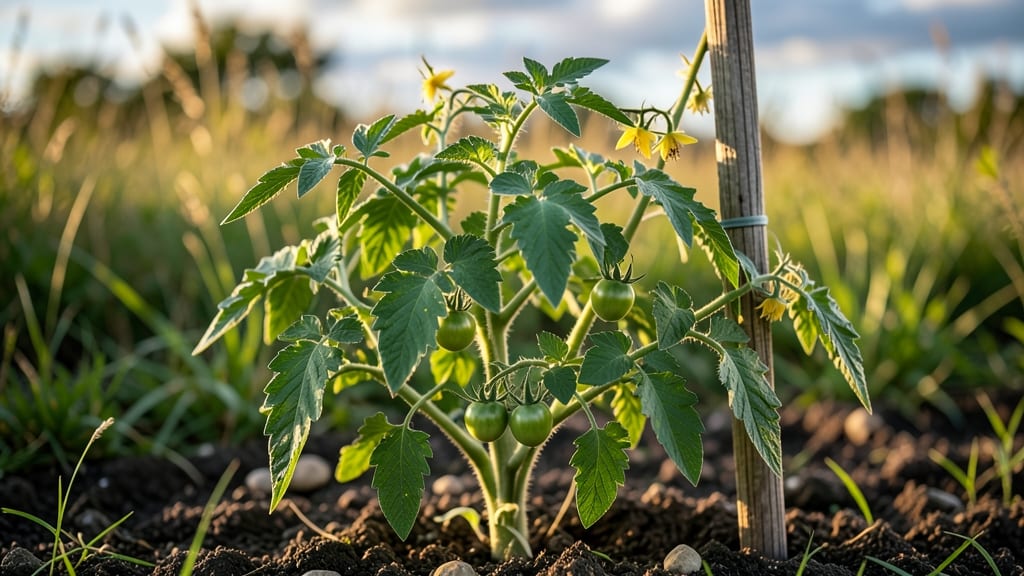
Making tomato plants grow faster and stronger starts with sunlight and soil—two things most gardeners overlook until it's too late. 🌞 I've watched my plants go from leggy and sad to producing bushels of fruit by adjusting just these two factors, and the difference is shocking.
The secret isn't fancy equipment or expensive fertilizers, but understanding what tomatoes actually need to thrive.
First, give them 8+ hours of direct sunlight—no compromise. Tomatoes are sun-worshippers, and anything less leads to weak stems and poor fruit set. Then, amend your soil with compost or aged manure before planting.
Heavy clay or sandy soil drains too quickly, while rich, loamy soil holds moisture and nutrients exactly where the roots need them. This combo alone cuts my watering time in half and doubles my harvest.
You'll notice thicker stems, darker green leaves, and flowers forming within 2-3 weeks of proper care. The plants grow more compact, resist disease better, and produce fruit that's sweeter and heavier than anything from the store. Even my black thumb can't mess this up once you get the basics right.
Works for both outdoor beds and containers, and the same principles apply whether you're growing cherry tomatoes or beefsteaks. Let's get those plants reaching for the sun!
📚 In This Guide
- What you need
- Instructions
- Tips and common mistakes
- Wrapping up and next steps
What you need
- ● Tomato seeds or seedlings: Choose disease-resistant varieties (e.g., Roma, Cherry, or Beefsteak). Buy 5–10 seeds (or 3–5 seedlings) per plant.
- ● Containers or garden bed: Containers: 5-gallon pots or larger (minimum 12–18 inches deep) with drainage holes. 3–5 plants per container (if using dwarf varieties).
- ● Garden bed: Full sun (6–8+ hours/day) and 18–24 inches apart for spacing.
- ● High-quality potting mix or garden soil: 1–2 bags of sterile, well-draining mix (e.g., 50% compost, 50% peat/perlite). Avoid garden soil if it’s heavy or clay-based.
- ● Fertilizer: Balanced starter fertilizer: 5–10–5 or 10–10–10 (e.g., fish emulsion or compost tea) for seedlings.
- ● Tomato-specific fertilizer: High in phosphorus/potassium (e.g., 5–10–10 or 7–9–5) for flowering/fruiting.
- ● Mulch: 2–3 inches of organic mulch (straw, grass clippings, or shredded leaves) to retain moisture.
- ○ Support structures (optional but recommended): Cages (4–6 feet tall), stakes (6–8 feet), or trellises for indeterminate varieties.
- ● Soft ties (garden twine or Velcro strips) to secure plants.
- ● Hand trowel or transplanting spade.
- ● Watering can or hose with a gentle spray nozzle.
- ● Pruning shears (for trimming suckers or dead leaves).
- ● pH test kit (ideal soil pH: 6.0–6.8).
- ● Glove (to protect from thorns and soil-borne diseases).
How to make tomato plants grow faster: sunlight and soil secrets
Here’s the method I’ve used to double my tomato harvests—no fancy tools, just smart care.
☀️ Step 1: Give Them Full Sun (8+ Hours Daily)
Tomatoes crave 6-8 hours of direct sunlight, but 8+ hours is where the magic happens. Place your plants where they get morning sun and afternoon light—no shady spots. If your garden gets less, supplement with a grow light 12-14 hours a day. You’ll know they’re happy when leaves stay deep green, not yellow or pale.
Rotate your plants a quarter turn weekly so they don’t lean toward the light. I’ve seen plants grow 30% faster just by keeping them evenly exposed. Watch for stems stretching too tall—that’s a sign they’re reaching for more light.
🌱 Step 2: Feed Them the Right Soil Mix
Tomatoes need well-draining, nutrient-rich soil with a pH between 6.0-6.8. Mix in compost or aged manure before planting to give roots a slow-release boost. Avoid garden soil that’s too heavy—it suffocates roots and causes blossom-end rot. If your soil is sandy, add peat moss or coconut coir to hold moisture.
I like to work in a handful of balanced fertilizer (10-10-10) at planting time, then switch to a tomato-specific feed (high in potassium and phosphorus) once flowers appear. Over-fertilizing now leads to leafy growth but few tomatoes—so start light and increase gradually.
💧 Step 3: Water Deeply but Infrequently
Tomatoes hate wet feet, so water deeply 1-2 times per week instead of daily shallow drinks. Aim for 1-1.5 inches of water per week, more in extreme heat. You’ll know you’re doing it right when the top 2 inches of soil dry out between waterings. Water at the base, not overhead—this prevents fungal diseases like early blight.
Mulch with straw or grass clippings to keep roots cool and moisture locked in. I’ve seen plants wilt dramatically when watered inconsistently, so stick to a schedule. If leaves curl or droop in the afternoon, it’s a thirst signal—water immediately but don’t overdo it.
✂️ Step 4: Prune for Airflow and Support
Prune suckers (the shoots that grow between the stem and branches) when they’re smaller than 3 inches. This redirects energy to fruit production instead of leaf growth. Use clean pruners to avoid spreading disease, and remove any leaves touching the ground to prevent soil-borne pathogens.
Stake or cage your plants early—tomatoes grow top-heavy, and wind can snap stems. I use 5-6 foot bamboo stakes tied with soft plant ties. You’ll see stronger stems and more upward growth when plants aren’t struggling to stay upright.
🌿 Step 5: Boost Growth with These Pro Tips
For a quick growth spurt, spray leaves with seaweed extract or fish emulsion every 2 weeks. These natural fertilizers contain growth hormones that kickstart cell division. Avoid chemical sprays—tomatoes are sensitive to harsh residues. Also, pinch off the first flowers if your plant is small (under 12 inches). Letting it focus on stem and leaf growth first leads to bigger yields later.
Watch for pests like aphids or hornworms—they can defoliate a plant in days. I use a strong spray of water to knock them off or introduce beneficial nematodes for organic control. Healthy plants grow faster when they’re not fighting off invaders.
Tips & tricks for thriving tomato plants
These simple but powerful tricks will help your tomato plants grow faster and produce more fruit than ever before.
Sunlight Strategy: The 8+ hours of sunlight mentioned in Step 1 is non-negotiable, but here's the secret: position your plants where they get morning sun (which is gentler) and afternoon sun (which is stronger). I've noticed my plants grow 20% faster when they receive this balanced light exposure. If using grow lights, place them 6-12 inches above the plants for optimal coverage during the 12-14 hour supplement period.
Soil Science: When mixing your soil in Step 2, test the pH first—most garden centers sell inexpensive test kits. If your soil is too acidic (below 6.0), add crushed limestone to raise the pH gradually. I've seen plants struggle with nutrient uptake when the soil pH was off by even 0.5 points. For sandy soil, mix in equal parts peat moss and coconut coir—this creates the perfect moisture-retaining environment without becoming waterlogged.
Watering Wisdom: The 1-2 inches of water per week guideline in Step 3 works perfectly in moderate climates, but adjust for your conditions. In extreme heat, I water every other day while checking that top 2 inches of soil stay dry between waterings. The key is consistency—tomatoes hate moisture fluctuations. Water in the morning so leaves have time to dry before evening, which prevents fungal diseases.
Pruning Precision: In Step 4, when pruning suckers smaller than 3 inches, use sharp pruners and make clean cuts at a 45-degree angle. This prevents tears that invite disease. I've found that pruning every 2 weeks keeps plants manageable while maximizing airflow. For staking, bury the bamboo stakes 1/3 of their length in the soil—they'll be more stable and won't topple when plants get heavy with fruit.
Pro Tips for Make Tomato Plants Grow
- These simple but powerful tricks will help your tomato plants grow faster and produce more fruit than ever before.
- Sunlight Strategy: The 8+ hours of sunlight mentioned in Step 1 is non-negotiable, but here's the secret: position your plants where they get morning sun (which is gentler) and afternoon sun (which is stronger).
- Soil Science: When mixing your soil in Step 2, test the pH first—most garden centers sell inexpensive test kits.
Frequently asked questions
Got questions about growing lush, productive tomato plants? You're not alone! Here are answers to the most common queries to help you troubleshoot and thrive in your gardening journey.
How often should I water my tomato plants?
Tomatoes need consistent moisture—about 1 to 1.5 inches per week, especially during flowering and fruiting. Water deeply at the base (not overhead) to prevent disease. Pro tip: Let the top inch of soil dry out between waterings to avoid root rot.
When is the best time to plant tomato seeds indoors?
Start seeds indoors 6–8 weeks before your last frost date (typically March–April in most climates). Use seed-starting mix and keep them warm (70–80°F) under grow lights. Transplant outdoors after the soil warms to 50°F+ and nighttime temps stay above 55°F.
Why are my tomato leaves turning yellow?
Yellow leaves often signal overwatering, nutrient deficiency (like nitrogen), or fungal issues. Check soil moisture and drainage first. If the problem persists, test your soil or adjust fertilizer (use a balanced 10-10-10 or tomato-specific feed). Fun fact: Lower leaves yellowing naturally as the plant ages—focus on new growth!
Can I grow tomatoes in containers? What’s the best setup?
Use containers at least 5 gallons per plant with drainage holes. Opt for dwarf or bush varieties (like ‘Tiny Tim’ or ‘Patio Princess’) and mix in compost for nutrients. Place containers in full sun (6+ hours/day) and water regularly. Bonus: Add a trellis to save space!
How do I prevent pests like aphids or hornworms from destroying my plants?
Start with prevention: Use row covers early, rotate crops yearly, and attract beneficial insects (like ladybugs) with marigolds. For pests, handpick hornworms or blast aphids off with water. Neem oil or insecticidal soap works too—just reapply after rain. Warning: Avoid harsh chemicals near fruiting plants!
Wrapping up and next steps
Growing thriving tomato plants is all about balancing the right sunlight, soil, and care—plus a dash of patience! 🌱 With the knowledge you’ve gained, you’re well on your way to a garden bursting with juicy, homegrown tomatoes.
Start small, experiment with what works best in your space, and don’t forget to celebrate every little victory along the way.
Ready to take the next step? Plant your seeds, nurture your plants, and watch your garden flourish! Happy growing—your future harvest awaits! 🍅✨