
Companion Plants
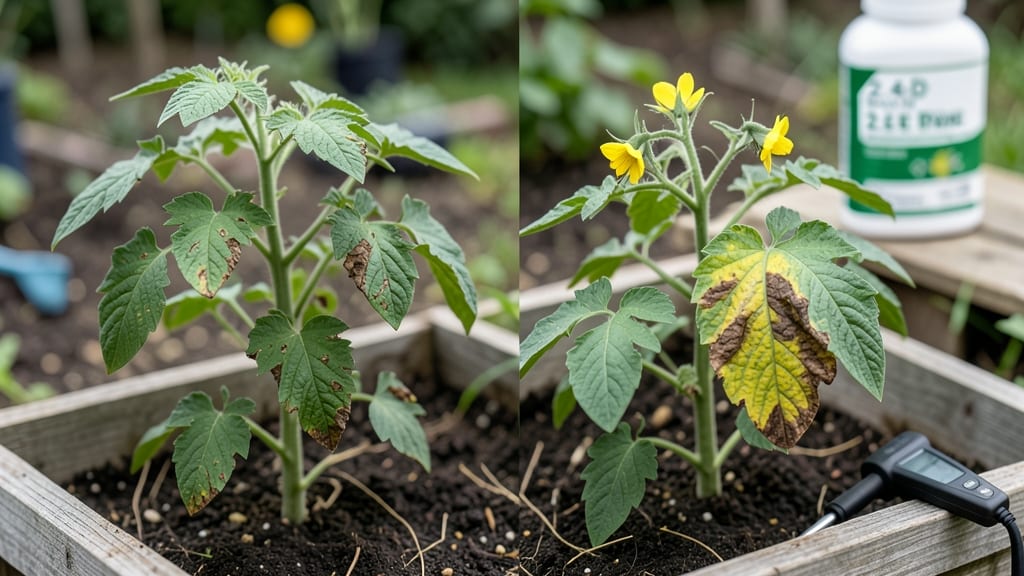
Your tomato plants might look like they’ve been hit by a curse, but 2,4-D damage is fixable—and faster than you think. 🌱 The telltale signs—crinkled leaves, stunted vines, or sudden wilting—aren’t always a death sentence.
I’ve nursed plants back from this exact problem, and the recovery steps are simpler than you’d expect.
The damage usually comes from herbicide drift or accidental overspray, and tomatoes are especially sensitive. The good news? They’re tougher than they look. Pruning the worst-affected growth, flushing the soil with water, and adding organic matter can kickstart recovery in just 2-4 weeks.
Even severely damaged plants often bounce back with proper care.
You’ll see new, healthy leaves pushing out within 10-14 days if you act quickly. The key is to stop the stress—remove any contaminated mulch, avoid further chemical exposure, and keep the soil moist but not soggy.
Tomato plants are resilient, and with the right approach, they’ll be thriving again before you know it.
For next season, keep edible crops at least 20-30 feet away from herbicide-treated areas. A simple barrier of tall plants or windbreaks can save your harvest from drift. Prevention is easier than cleanup—and your tomatoes will thank you for it.
The Hidden Culprits Behind Damage
When your tomato plants show signs of 2,4-D herbicide damage, it’s often due to unintentional exposure or environmental factors. This synthetic auxin hormone, commonly used in weed killers, mimics natural plant growth regulators—leading to distorted growth, stunted leaves, and even plant death if severe.
Understanding the root causes helps you prevent future issues and protect your garden. Here’s why it happens:
2,4-D is a systemic herbicide, meaning it moves through plant tissues. When applied to weeds or lawns, wind or improper spray techniques can cause drift—where microscopic droplets land on nearby tomato plants. Even small amounts can disrupt their growth hormones.
Why it’s dangerous:
- Volatility: 2,4-D can vaporize in heat, traveling farther than expected.
- Overlap with crops: Tomatoes are highly sensitive to auxin-like chemicals, unlike grasses.
- Neighboring treatments: If a neighbor or professional applies herbicide, drift can cross property lines.
Actionable fix: Avoid spraying herbicides on windy days (over 5 mph) or near tomato plants. Use shield plants (like marigolds) as a barrier.
If 2,4-D was previously used in your garden, residue can linger in the soil or irrigation water, slowly leaching into tomato roots. Even old herbicide granules in compost or mulch can reactivate when moist.
Key triggers:
- Runoff: Rain or watering can wash 2,4-D from lawns into garden beds.
- Reused containers: Pots or tools previously exposed to herbicides may contaminate new soil.
- Organic matter breakdown: Decomposing plant material with residual herbicide releases active ingredients.
Actionable fix: Test soil with a home herbicide test kit before planting. If contaminated, amend with activated charcoal or plant 2,4-D-tolerant cover crops (like clover) to bind residues.
Gardeners often mistake 2,4-D for a safe weed control option, especially in organic gardening. However, tomatoes are notoriously sensitive to synthetic auxins, while weeds like dandelions thrive on them. Misapplication—such as using a 2,4-D + dicamba mix—amplifies damage.
Common mistakes:
- Spraying pre-emergent herbicides (which contain 2,4-D) near tomato seedlings.
- Using homemade herbicide sprays (e.g., vinegar + 2,4-D) without proper dilution.
- Confusing 2,4-D with plant growth regulators (like those in some fertilizers).
Actionable fix: Always check labels for "2,4-D free" or "tomato-safe" alternatives. Opt for manual weeding or mulching in tomato beds.
Some companion plants (like potatoes or peppers) can absorb 2,4-D from soil and transfer it to tomatoes through shared root zones or pruning tools. Even compost tea made from contaminated greens can spread the herbicide.
High-risk scenarios:
- Planting tomatoes too close to treated lawn edges.
- Using shared pruners between herbicide-treated areas and tomato plants.
- Adding weed-infested clippings to compost piles near tomato beds.
Actionable fix: Isolate tomato plants with 6+ inches of bare soil or plastic mulch as a barrier. Sterilize tools with rubbing alcohol between uses.
💡 Pro Tip: If you suspect 2,4-D exposure, flush the soil with chelated iron or humic acid to help detoxify residues. Monitor plants for 3–5 days to assess damage severity.
Quick Fixes to Revive Damaged Tomatoes
Now that you understand the root causes of 2,4-D damage on your tomato plants—whether from herbicide drift, misapplication, or accidental overspray—it’s time to take action. The good news? With the right steps, you can help your plants recover and even prevent future issues.
Below are practical, step-by-step solutions tailored to the most common causes, plus prevention tips to keep your garden thriving.
---
When 2,4-D or similar herbicides contaminate your soil or foliage, the first step is to remove the chemical’s influence and support your plants’ natural recovery.
#### 🔥 Step 1: Isolate and Inspect the Plant - Remove affected plants from the contaminated area (if severe) to prevent further exposure. - Check neighboring plants—herbicide drift can spread, so monitor for symptoms like cupped leaves, stunted growth, or unusual leaf patterns.
#### 🍳 Step 2: Rinse Off Contaminated Foliage - Gently spray leaves with clean water (using a hose or spray bottle) to wash away residual herbicide.
Avoid high pressure to prevent leaf damage. - Add a mild dish soap (1 tsp per gallon of water) to help break down chemical residues—but rinse thoroughly afterward to avoid soap buildup.
#### 👨🍳 Step 3: Boost Soil and Plant Health - Amend the soil with compost or organic matter to improve microbial activity, which helps break down herbicide residues over time. - Apply a balanced fertilizer (like 10-10-10) to encourage new growth.
Focus on potassium-rich fertilizers (e.g., banana peel tea or wood ash) to strengthen cell walls. - Use mycorrhizal fungi (available as powder or granules) to enhance root health and nutrient uptake.
#### ⏰ Step 4: Monitor and Prune Damaged Areas - Trim severely affected leaves (but avoid over-pruning—remove only what’s clearly dead or dying). - Watch for new growth—healthy shoots should emerge within 2–4 weeks if the roots are still viable.
--- If you accidentally applied 2,4-D directly to your tomatoes (or nearby plants absorbed it from the soil), the herbicide may have lingered. Here’s how to neutralize and recover:
#### 💡 Pro Tip: Activate Soil Microbes - Add activated charcoal (1 cup per plant) to the soil—it binds to chemical residues and prevents further absorption. - Plant cover crops like clover or buckwheat to outcompete weeds and improve soil health. These plants also absorb and break down herbicide residues.
#### 🎯 Step 1: Test and Adjust pH - 2,4-D breaks down faster in acidic soil (pH 5.5–6.5). Test your soil’s pH and lower it if needed by adding sulfur or pine needles. - Avoid alkaline soil (pH 7+), which slows degradation.
#### ✨ Step 2: Plant Herbicide-Tolerant Companions - Interplant tomatoes with basil, marigolds, or nasturtiums—these act as natural barriers and may reduce residual herbicide effects. - Avoid planting susceptible crops (like beans or peas) in the same area for at least 6 months.
#### 🔪 Step 3: Rotate Crops and Refresh Soil - Move tomatoes to a new location next season if the soil was heavily contaminated. - Top-dress with coconut coir or peat moss to dilute and absorb lingering chemicals.
--- The best "fix" is avoiding damage in the first place. Here’s how to protect your garden long-term:
#### 🔒 1. Choose the Right Herbicides - Never use 2,4-D or similar herbicides near tomatoes—opt for vinegar-based or manual weeding instead. - If you must use herbicides, stick to pre-emergent options (like corn gluten meal) and apply far from tomato beds.
#### 🌿 2. Create Physical Barriers - Plant tomatoes in raised beds or containers to minimize soil contamination. - Use cardboard or landscape fabric as a weed barrier—this blocks herbicide drift while suppressing weeds naturally.
#### 📊 3. Follow Label Instructions Religiously - Read herbicide labels—some products warn against use near "broadleaf plants" (which includes tomatoes). - Apply herbicides only on calm days to reduce drift risk.
#### 💪 4. Strengthen Plants Proactively - Hardening off seedlings and watering deeply (1–2 inches per week) helps tomatoes resist stress from external chemicals. - Use mulch (straw or grass clippings) to suppress weeds and reduce the need for herbicides.
--- Not all damaged plants can be saved. Replace the plant if: ✅ Leaves turn black and mushy (sign of severe cell death). ✅ No new growth appears after 4–6 weeks of care. ✅ Fruit development stops entirely.
Give it time if: ✔️ New leaves emerge (even if small or deformed). ✔️ Roots feel firm when gently pulled (healthy roots = recovery possible). ✔️ Weather is warm and sunny (ideal for regrowth).
--- With these targeted fixes and prevention strategies, your tomato plants can bounce back—and your garden can stay herbicide-free and thriving for seasons to come. 🌱🍅
Frequently asked questions
How quickly will my tomato plants show signs of 2,4-D damage?
Symptoms like cupped or distorted leaves and stunted growth typically appear within 3-7 days after exposure. Severe cases may show blackened stems or wilting within 1-2 weeks, while milder exposure might take 2-3 weeks to manifest. Act fast—early intervention improves recovery chances.
Can I still harvest tomatoes from plants exposed to 2,4-D?
Only if the fruit was already formed before exposure. New growth or developing tomatoes may absorb residues, making them unsafe to eat. Discard any fruit that appeared after you noticed symptoms. For existing fruit, wash thoroughly with soapy water before peeling or cooking.
What’s the safest way to remove 2,4-D residue from soil?
Start by adding activated charcoal (1 cup per plant) to bind chemicals, then plant cover crops like clover or buckwheat to absorb residues. For contaminated beds, top-dress with 6+ inches of fresh compost or coconut coir to dilute the herbicide. Avoid planting tomatoes in the same spot for at least 6 months.
Will rain help wash away 2,4-D from my tomato plants?
Rain can help dilute surface residues, but it won’t fully remove 2,4-D from soil or plant tissues. For best results, rinse foliage manually with clean water (add 1 tsp dish soap per gallon) and flush the soil with 2-3 inches of water over 24 hours. Follow up with compost amendments to boost microbial breakdown.
How can I prevent 2,4-D drift from affecting my garden next season?
Create a 20-30 foot buffer zone between your tomato plants and any treated areas. Use tall companion plants (like sunflowers) as windbreaks, and apply herbicides only on calm days (5 mph wind or less). For extra protection, grow tomatoes in raised beds with landscape fabric underneath.