
Planting
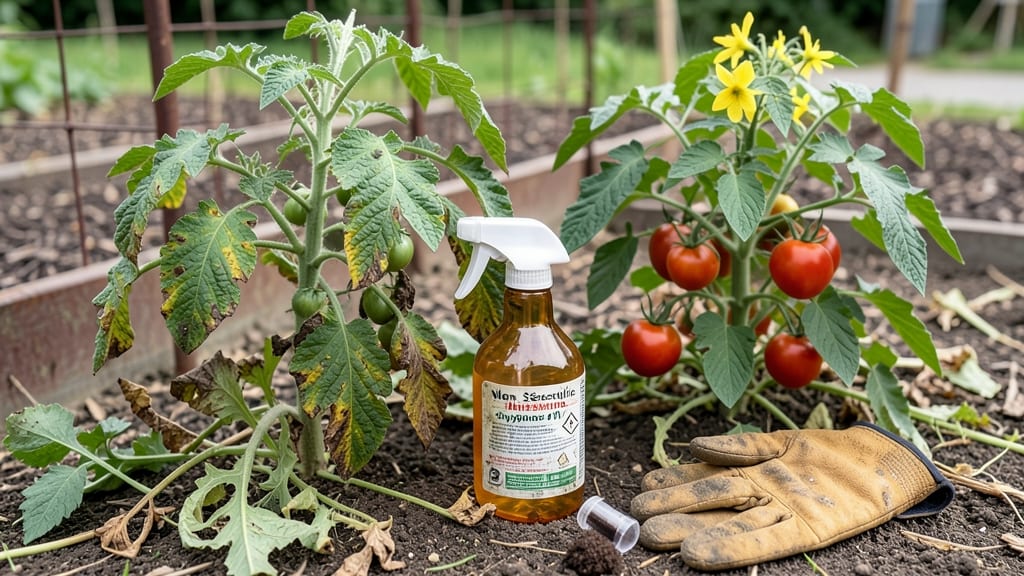
Herbicide damage turns your tomato plant into crispy brown lace overnight. 🌱 I’ve seen it happen—one minute your plants are lush and green, the next they’re struggling to recover. The good news? Even severely damaged plants can bounce back with the right care, and I’ll show you exactly how.
First, identify the damage: yellowing edges, stunted growth, or leaves that look like they’ve been singed by a blowtorch. Most often, this happens when herbicide spray drifts from nearby lawn treatments or when gardeners accidentally overspray.
The key to revival starts with immediate action—prune the worst-affected leaves, flush the soil with water, and avoid stressing the plant further.
With consistent care, you’ll see new growth within 2-3 weeks, and your tomatoes can still produce a harvest—though possibly smaller than usual. The secret is patience and protective measures like windbreaks or organic weed control next season. I’ve saved plants that looked hopeless, and so can you.
This guide covers organic remedies, long-term prevention, and safety tips to keep your garden—and your tomatoes—thriving. Let’s get those plants back on track.
How Herbicides Harm Tomato Plants
Herbicides are powerful tools for controlling weeds, but when they’re misapplied—or when nature takes a wrong turn—they can leave your tomato plants looking like they’ve been through a chemical war. 🌱💥 Understanding the why behind herbicide damage helps you prevent it and, if needed, nurse your plants back to health.
Here’s a breakdown of the most common culprits and how they wreak havoc on your tomatoes.
Herbicides work by disrupting plant growth processes, often by mimicking plant hormones or blocking critical enzymes. When you apply too much of a herbicide—or use a higher concentration than recommended—the active ingredients overwhelm your tomato plants. Here’s how it happens:
- Systemic herbicides (like glyphosate) are absorbed through leaves or roots and travel throughout the plant. If the dose is too high, they disrupt cellular functions, leading to chlorosis (yellowing leaves) or necrosis (dead tissue).
- Contact herbicides (like 2,4-D) burn leaves on contact. Overapplication creates chemical burns, causing crispy, brown edges or bleached spots.
- Residual herbicides (like pre-emergent treatments) can linger in the soil and poison young tomato seedlings if planted too soon after application.
Pro Tip: Always follow label instructions—less is often more. Dilute herbicides as directed, and avoid reapplying unless absolutely necessary. 📊
Even the most careful gardener can fall victim to herbicide drift, where wind or spray equipment carries chemicals onto unintended plants. Tomatoes are particularly vulnerable because their broad leaves act like chemical sponges, absorbing stray droplets. Here’s the science behind the damage:
- Drifted herbicides (especially auxin-like compounds, such as dicamba or 2,4-D) can cause epinasty—where leaves curl downward abnormally—as they disrupt plant growth hormones.
- Fine mist or aerosolized herbicides (from nearby agricultural spraying) can settle on tomato foliage, leading to stippling (tiny white or brown specks) or interveinal chlorosis (yellowing between leaf veins).
- Tomatoes near corn or soybean fields are at higher risk if farmers use herbicides like glufosinate, which can volatilize (turn into gas) and drift.
Pro Tip: If you live near farmland, monitor weather forecasts. Apply herbicides on calm, windless days (early morning or late evening), and consider buffer zones or physical barriers (like tall grass or windbreaks) to protect your tomatoes. 🌬️
Some herbicides don’t break down quickly and can persist in the soil for months or even years, poisoning new plantings. This is especially true for pre-emergent herbicides (like pendimethalin or oryzalin) or soil-active systemic herbicides (like sulfentrazone). Here’s how residue harms tomatoes:
- Tomato roots absorb residual herbicides, leading to stunted growth, root rot, or leaf cupping (edges curling upward).
- Certain herbicides (like atrazine) inhibit photosynthesis, causing pale, weak leaves that can’t produce enough energy for fruit development.
- If the soil contains glyphosate residue, tomatoes may develop yellowing stems or aborted flowers, reducing yield.
Pro Tip: Test your soil for herbicide residue before planting tomatoes. If you suspect past applications, try amending the soil with compost or planting a cover crop (like clover) to dilute the chemicals before introducing tomatoes. 🌱✨
Tomatoes are not equally sensitive at all growth stages. Applying herbicides at the wrong time—whether during seedling, flowering, or fruit set—can trigger damage. Here’s why timing matters:
- Young seedlings have delicate cells and thin cuticles, making them highly susceptible to herbicide burns. Even low doses can cause leaf distortion or complete dieback.
- Flowering plants are vulnerable to hormone-disrupting herbicides (like 2,4-D), which can cause flower drop or deformed fruit.
- Mature plants with thick leaves may tolerate some drift, but new growth (like tender leaves or unripe tomatoes) remains at risk.
Pro Tip: Avoid herbicide applications when tomatoes are in active growth phases. If you must treat weeds near your plants, choose organic alternatives (like vinegar or corn gluten) or hand-pull weeds during critical stages. ⏰🌸
Understanding these causes puts you one step ahead of herbicide damage. The good news? Many affected tomato plants can recover with the right care—stay tuned for our next section on reviving burned leaves and saving your harvest! 🍅💚
Reviving Your Tomatoes: Step-by-Step Fixes
If your tomato plants have fallen victim to herbicide drift or accidental overspray, don’t toss them just yet! With the right care, you can often nurse them back to health and salvage your harvest.
Below, we’ve mapped out practical solutions tailored to the most common causes of damage—plus prevention tips to keep future plants safe.
Cause: Pre-emergent herbicides or post-emergent overspray applied too early or too heavily.
How to Treat It:
- 🚰 Rinse Immediately (If Caught Early)
- Gently spray the affected seedlings with clean water (a soft hose or watering can) to dilute residual herbicide.
- Avoid high pressure—you’re not scrubbing, just rinsing!
- 🌿 Transplant to Uncontaminated Soil
- Dig up seedlings and replant them in fresh, herbicide-free soil (at least 10 feet away from treated areas).
- Pro Tip: 💡 Test the new spot with a soil test kit to confirm no residual chemicals remain.
- 💧 Hydrate & Shield from Stress
- Keep soil moist but not soggy—stressed plants are more vulnerable.
- Use shade cloth (30-50%) to reduce sun exposure while they recover.
- 🌱 Monitor for New Growth
- Healthy new leaves should emerge in 7–14 days. If not, the damage may be too severe—consider starting over.
Cause: Post-emergent herbicide drift (e.g., glyphosate, 2,4-D) that scorched leaves but left roots intact.
How to Treat It:
- 🪴 Prune Damaged Foliage
- Use clean, sharp scissors to trim only the browned or crispy leaves—never healthy green ones.
- Why? Removing dead tissue prevents disease and lets the plant focus energy on recovery.
- 💧 Flush the System
- Water deeply 2–3 times per week to help the plant metabolize and excrete residual herbicide.
- Bonus: 🌡️ Mulch with straw or grass clippings to retain moisture and protect roots.
- 🌿 Boost Nutrient Recovery
- Feed with a balanced fertilizer (10-10-10) or compost tea to strengthen regrowth.
- Avoid high-nitrogen fertilizers—they can stress already weakened plants.
- 🛡️ Protect from Future Drift
- Move plants away from lawns or driveways where herbicides are commonly applied.
- Plant a barrier crop (like sunflowers) to act as a natural windbreak.
Cause: High-dose herbicide absorption through roots or severe foliar exposure.
How to Treat It (or Know When to Let Go):
- 🔍 Assess Root Health
- Gently dig around the base. Healthy roots are white/firm; blackened or mushy roots mean the plant won’t recover.
- Red Flag: 🚨 If roots smell foul or are slimy, euthanize the plant to prevent spreading issues.
- 🌱 Start Over with Cuttings (If Roots Are Still Viable)
- Take healthy stem cuttings (4–6 inches long) from undamaged parts of the plant.
- Root them in hormone-free rooting gel or water until they establish new roots.
- 🌿 Prevent Cross-Contamination
- Do NOT compost herbicide-damaged plants—they can leach chemicals into soil.
- Bag and dispose of them in trash (not green waste).
- 📅 Time Applications Wisely
- Apply herbicides early in the morning when winds are calm (drift is less likely).
- Avoid spraying before rain—chemicals can wash into garden beds.
- 📏 Create Buffer Zones
- Keep tomato plants at least 10–15 feet away from lawns or areas where herbicides are used.
- Use natural barriers like tall grasses or hedges.
- 🌱 Choose Resistant Varieties
- Some tomato types (like ‘Solar Fire’ or ‘Heatmaster’) are more tolerant of heat and stress—but no variety is herbicide-proof.
- 📝 Keep Records
- Track when and where herbicides are applied nearby. Document symptoms to identify patterns.
| Damage Level | Recovery Time | Likelihood of Success |
|---|---|---|
| Light leaf burn | 1–2 weeks | High |
| Moderate foliar damage | 3–4 weeks | Moderate |
| Root or systemic issues | Unlikely | Low |
🎯 Key Takeaway: Act fast, prune aggressively, and prioritize soil health—your tomatoes may surprise you with a comeback! If all else fails, use the experience to plan a herbicide-free zone next season. 🌿✨
Frequently asked questions
What are the first signs my tomato plants have herbicide damage?
Look for crispy brown edges on leaves, yellowing between veins (interveinal chlorosis), or leaves that curl downward abnormally. Young seedlings may show stunted growth or distorted leaves. If you see these symptoms, act quickly—prune damaged foliage and flush the soil with water to help dilute any remaining chemicals.
Can I still save my tomato harvest if the plants are already damaged?
It depends on the severity! With light damage, you can still expect a harvest, though possibly smaller. Focus on pruning burned leaves, keeping soil moist, and avoiding stress. If roots are healthy but leaves are scorched, new growth should appear in 2-3 weeks. For severe damage, prioritize saving healthy stems for cuttings instead.
How can I prevent herbicide drift from affecting my tomatoes next season?
Create a 10-15 foot buffer zone between your garden and lawns where herbicides are used. Plant tall sunflowers or grasses as natural windbreaks, and avoid spraying when winds exceed 3-5 mph. For organic control, use vinegar or corn gluten meal instead of chemical herbicides near your tomato plants.
Is it safe to compost tomato plants that have been exposed to herbicides?
No, never compost herbicide-damaged plants. The chemicals can leach into your compost pile and contaminate future soil. Instead, bag the plants and dispose of them in regular trash. If you're unsure about soil contamination, test it with a simple soil test kit before replanting.
How long does it take for tomato plants to recover from herbicide exposure?
Recovery time varies: light leaf burn may heal in 1-2 weeks, while moderate damage could take 3-4 weeks for new growth. Severe root damage often means the plant won't recover. Monitor your plants closely—if you see no improvement after 3 weeks, consider replacing them with new seedlings.