
Pests
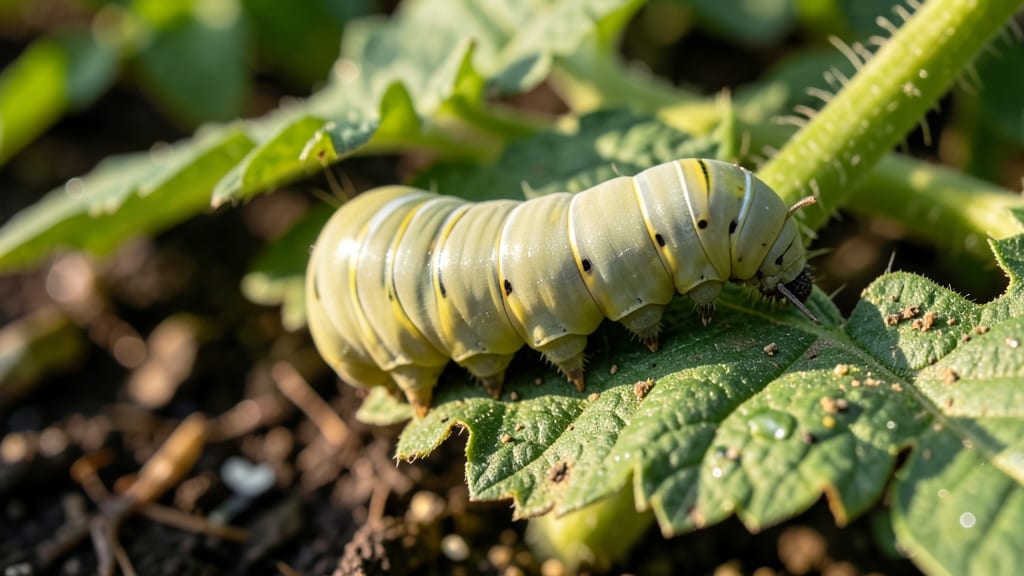
Tomato hornworms and loopers can strip your plants bare in days—unless you act fast. 🌱 I’ve lost entire tomato plants to these ravenous caterpillars, but organic methods like handpicking and BT spray (Bacillus thuringiensis) work better than chemicals and don’t hurt bees or butterflies.
Most damage happens in late summer when caterpillars explode in numbers. Look for chewed leaves, black droppings, and the telltale green hornworm with white stripes or the looped body of a tomato looper. The key is catching them early—before they skeletonize your plants.
With the right approach, you’ll save your tomatoes without harming the garden ecosystem. I’ve used neem oil, companion planting with basil, and even invited ladybugs to the party—all while keeping my harvest intact. The secret? Consistent checks and quick action.
Whether you’re dealing with a single worm or an outbreak, these methods work for any tomato variety and climate. Let’s get those caterpillars under control the right way—without the collateral damage.
The Hidden Lures Behind Caterpillar Attacks
Tomato plants are a caterpillar’s dream buffet—juicy, nutrient-rich, and often unprotected. But why do these voracious larvae zero in on your garden? The answer lies in a mix of natural instincts, environmental cues, and even your own gardening habits.
Understanding these triggers is the first step to outsmarting them without resorting to harsh chemicals that harm bees and butterflies.
Caterpillars rely on their highly developed sense of smell to locate host plants. Many tomato-devouring species, like the hornworm (Manduca sexta) or tomato fruitworm (Helicoverpa zea), are drawn to:
- Volatile organic compounds (VOCs): Tomato plants release specific chemical signals when stressed (e.g., by drought, heat, or damage). These VOCs act like a dinner bell, alerting caterpillars from up to 30 feet away.
- Sugary nectar and leaf exudates: Young tomato leaves produce sticky, sugary secretions that caterpillars love. Some species even prefer plants with higher sugar content, which is why over-fertilized tomatoes can become magnets.
- Floral scents: While not all caterpillars eat flowers, the moths that lay eggs on tomatoes are often lured by the plant’s pre-bloom fragrance. This is why early-season tomato plants are especially vulnerable.
Actionable insight: If your plants smell too sweet or stressed, caterpillars will take notice. Reducing nitrogen-heavy fertilizers can lower their appeal.
Most tomato caterpillars don’t just wander onto your plants—they’re deliberately deposited by adult moths. These nocturnal fliers have specific preferences for where to lay eggs:
- Undersides of leaves: Moths avoid predators by laying eggs on the lower leaf surfaces, where they’re hidden from birds and lizards. Check the bottom of leaves first if you suspect an infestation.
- New growth zones: Young, tender shoots are where caterpillars will hatch and first feed. This is why early-season tomatoes (especially in greenhouses or warm climates) get hit hardest.
- Damaged or diseased foliage: Moths target plants already under stress. If your tomatoes have powdery mildew or blight, they’re more likely to become egg-dumping zones.
Pro tip: 🔍 Inspect leaves at dusk (when moths are most active) with a flashlight. Eggs look like tiny rice grains or clear gel blobs—remove them manually to stop the cycle before it starts.
Caterpillars are opportunistic, and their activity spikes under certain conditions:
| Factor | Why It Attracts Caterpillars | Actionable Fix |
|---|---|---|
| Warm nights (above 70°F) | Moths are most active when temperatures rise after sunset. Eggs hatch faster in heat. | Use moth traps with UV lights to disrupt mating. |
| High humidity | Moist conditions keep eggs from drying out and speed up larval growth. | Improve airflow with pruning and spacing plants. |
| Drought-stressed plants | Stressed tomatoes produce more VOCs, signaling desperation to herbivores. | Water deeply at the base (not overhead) to avoid fungal issues. |
| Late summer/early fall | Second-generation moths emerge as tomatoes ripen, targeting fruit instead of leaves. | Cover plants with floating row covers during peak season. |
Caterpillars don’t act alone—they’re part of a food web. If their natural predators are missing, your tomatoes become an all-you-can-eat buffet:
- Lack of birds: Many caterpillar species are bird food. If your garden lacks perches, water sources, or native shrubs, birds won’t patrol.
- Fewer parasitic wasps: Tiny braconid wasps lay eggs inside caterpillars, killing them from within. Pesticides wipe them out.
- Monoculture planting: A garden with only tomatoes is like a neon sign for moths. Diversity confuses them.
💡 Organic solution: Plant companion flowers like dill, marigolds, or basil to attract predator insects. Even a small patch of milkweed can bring in ladybugs and lacewings.
Quick Fixes for Wormy Tomato Plants
When caterpillars turn your tomato plants into a buffet, acting fast is key—but you don’t need harsh chemicals to save your harvest. Below are targeted, organic solutions mapped to the most common causes of caterpillar chaos, plus prevention tips to keep your garden thriving long-term.
Think of this as your pest-fighting toolkit, ready to deploy at a moment’s notice.
Cause: Hornworms, loopers, or armyworms are feasting on your foliage, leaving skeletonized leaves behind.
How to Fix It:
- 🕵️♂️ Scout at dawn or dusk – Caterpillars are most active then and easier to spot.
- 🧤 Grab a pair of gloves (or use a damp towel to avoid squishing them—messy but effective).
- 🪰 Drop them in soapy water – Fill a bucket with water + a few drops of dish soap to dissolve their bodies instantly.
- 🌿 Check under leaves – Many caterpillars hide here to avoid predators.
Prevention Tip: 💡 Plant basil nearby—its scent repels tomato hornworms naturally!
Cause: Caterpillars (like the tomato fruitworm) are burrowing into tomatoes, causing rot or deformities.
How to Fix It:
- 🍎 Use pheromone traps – Hang moth traps (like those for codling moths) near your plants to lure adults away.
- 🥄 Set up a beer trap – Bury a shallow dish filled with beer near the base of plants; the yeast attracts adult moths, drowning them.
- 🧂 Dust eggs with diatomaceous earth – Lightly sprinkle food-grade DE on leaves (reapply after rain).
- 🔍 Inspect fruit regularly – Slice open suspicious tomatoes to remove hidden larvae.
Prevention Tip: ✨ Harvest early—pick tomatoes when small to reduce exposure to egg-laying moths!
Cause: Young seedlings are vulnerable to cutworms or tomato hornworm eggs laid in soil.
How to Fix It:
- 🛡️ Collar seedlings with cardboard – Cut strips of cardboard (3–4 inches tall) and wrap them around stems to block cutworms.
- 🌿 Apply kaolin clay – Mix Surround WP with water and spray on leaves to create a bitter barrier caterpillars avoid.
- 🔄 Rotate planting locations – Avoid planting tomatoes in the same spot yearly to disrupt pest life cycles.
Prevention Tip: 🌡️ Plant trap crops—grow marigolds or nasturtiums nearby to distract pests from your tomatoes!
Many organic solutions (like BT spray or neem oil) are safe for bees—but timing matters.
Here’s how to stay bee-friendly: - 🌞 Spray in early morning or late evening when bees are less active. - 🚫 Avoid windy days—drift can harm nearby flowers. - 🌼 Leave some pests alone—a few caterpillars won’t ruin your crop, and they feed birds!
Final Pro Tip: 🎯 Combine methods for best results—handpick + traps + barriers = a caterpillar-proof tomato fortress! With these strategies, your plants will bounce back faster than a hornworm on a hot griddle. 🍳🔥
Frequently asked questions
What are the most common tomato plant caterpillars I should watch for?
The two biggest culprits are tomato hornworms (green with white stripes) and tomato loopers (green with looped bodies). Both can defoliate plants in days. Look for chewed leaves, black droppings, and the caterpillars themselves hiding under leaves or on stems.
Is it safe to use neem oil on tomato plants with caterpillars?
Yes, neem oil is an excellent organic option—it disrupts caterpillar feeding and growth without harming bees or beneficial insects. Mix 1 tablespoon per quart of water with a drop of dish soap, then spray directly on caterpillars and leaves. Reapply every 5-7 days or after rain.
How do I know if my tomato plants have caterpillar eggs?
Check the undersides of leaves for tiny, round eggs that look like rice grains or clear gel blobs. Use a magnifying glass if needed. Eggs are usually laid in clusters, so if you see 3-5 together, remove them immediately—they’ll hatch in 3-5 days into hungry caterpillars.
Will ladybugs actually eat tomato caterpillars?
Ladybugs are voracious caterpillar predators—they’ll devour 50-100 caterpillars in their lifetime. Attract them by planting dill, marigolds, or yarrow nearby. You can also buy ladybugs online and release them at dusk when they’re most active.
What should I do if caterpillars keep coming back after I remove them?
Start with preventive measures like floating row covers or companion planting with basil. If the problem persists, try Bacillus thuringiensis (BT) spray, which targets caterpillars specifically. Also check for moth traps—hanging UV light traps can reduce adult moth populations by up to 90%.