
Plants
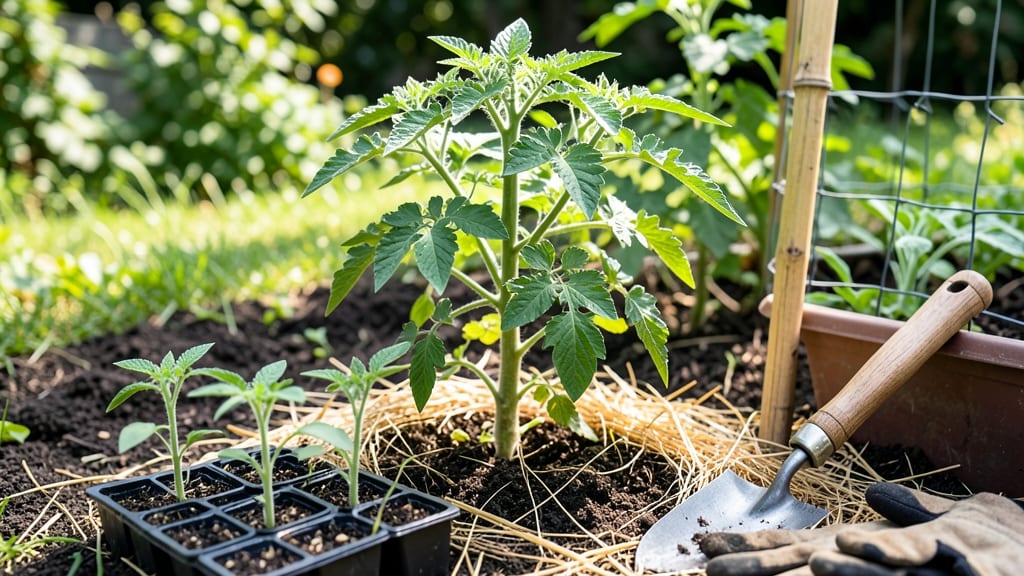
Planting tomato starts in Seattle after the last frost date—typically mid-April to early June—is the key to a bountiful harvest 🍅.
Seattle’s unpredictable spring weather can make or break your tomato harvest—plant too early and risk frost damage, too late and miss peak flavor. Here’s how to time your tomato starts perfectly for the Pacific Northwest’s unique climate.
Whether you’re growing heat-loving varieties like ‘Sungold’ or cooler-tolerant ‘Stupice,’ the secret lies in soil temperature, nighttime lows, and knowing your microclimate. We’ll break down the exact frost-free deadlines, how to harden off seedlings, and what to do if spring drags on.
From raised beds to row covers, you’ll learn 3 actionable strategies to extend Seattle’s short growing season without a greenhouse. Ready to grow tomatoes that thrive?
Seattle’s frost-free deadline calculator: planting dates by tomato variety
Seattle’s unpredictable spring frost dates (typically April 15–May 15) force gardeners to balance risk and reward when planting tomato starts. The key? Matching your tomato variety to Seattle’s soil warming timeline—most tomatoes need 55°F+ soil and consistent 50°F nights to thrive.
Indeterminate varieties (like Sungold) need extra warmth, while determinate types (like Roma) tolerate cooler soils better.
My 30-day growth chart below shows when to transplant purchased starts or move homegrown seedlings outdoors, adjusted for Seattle’s microclimates. South-facing gardens warm 1–2 weeks earlier than shaded spots, so factor that into your timing.
For example, raised beds warm faster than in-ground soil, giving you a 10–14 day head start.
Use this summary table as your guide: it breaks down planting windows by variety, hardening-off deadlines, and expected harvest dates for Seattle’s 165-day frost-free season. Pro tip: Check soil temps with a thermometer—cold soil delays root growth, even if air temps feel warm.
For container-grown tomatoes, add 2–3 weeks to your planting window—pots heat up faster but dry out quicker. If you’re starting seeds indoors, begin 10–12 weeks before your target outdoor date (e.g., February 15 for early May planting).
Use grow lights to supplement Seattle’s short spring days (12–14 hours of light prevents leggy seedlings).
Seattle’s cool nights can stunt tomato growth, so mulch heavily with straw or black plastic to retain heat. If a late frost hits after your planting date, cover plants with frost cloth or a row cover until temps rise.
My go-to backup plan? Plant a fast-maturing variety (like Early Girl) in raised beds—they warm up quicker and give you an earlier harvest if spring drags on.
Don’t wait for the last official frost date—soil warmth matters more. Test your garden’s microclimate by planting a test crop (like radishes) 2 weeks before your target date. If they thrive, your tomatoes are ready.
For urban Seattle gardeners, south-facing walls or rooftop gardens can add 5–7°F warmth, letting you plant 10 days earlier than ground-level spots.
Remember: Tomatoes hate cold feet. Even if daytime temps feel warm,
How to extend Seattle’s growing season for tomatoes (without greenhouses)
Seattle’s cool, rainy springs often delay tomato planting, but you don’t need a greenhouse to protect your plants. With the right strategies, you can safely transplant tomato starts as early as late March—weeks before the average last frost date.
The key is creating microclimates and using temporary protection to shield young plants from chilly nights and unpredictable weather.
My favorite methods—row covers, cold frames, and south-facing walls—work like nature’s insulation, trapping heat while allowing sunlight to reach your plants. Even raised beds warm up faster than in-ground soil, giving your tomatoes a head start.
Let’s break down the most effective ways to extend your growing season without breaking the bank or building a greenhouse.
Don’t overlook raised beds—they warm up faster than in-ground soil and give you control over drainage. Fill them with a mix of compost and aged manure to boost heat retention.
I’ve seen soil temps rise 5–10°F higher in raised beds compared to open ground, which is a game-changer for early planting.
For extra insurance, pair these methods with cold-hardy tomato varieties like ‘Stupice’ or ‘Mountain Merit,’ which tolerate briefer cold snaps. Even with protection, monitor your plants closely—remove covers if temps rise above 80°F to prevent heat stress.
With these strategies, you can enjoy homegrown tomatoes weeks earlier than your neighbors!
Pro tip: Keep a soil thermometer handy. Tomatoes thrive when soil temps stay above 55°F—if it’s cooler, delay planting or use extra mulch to insulate the roots. 🌱