
Plants
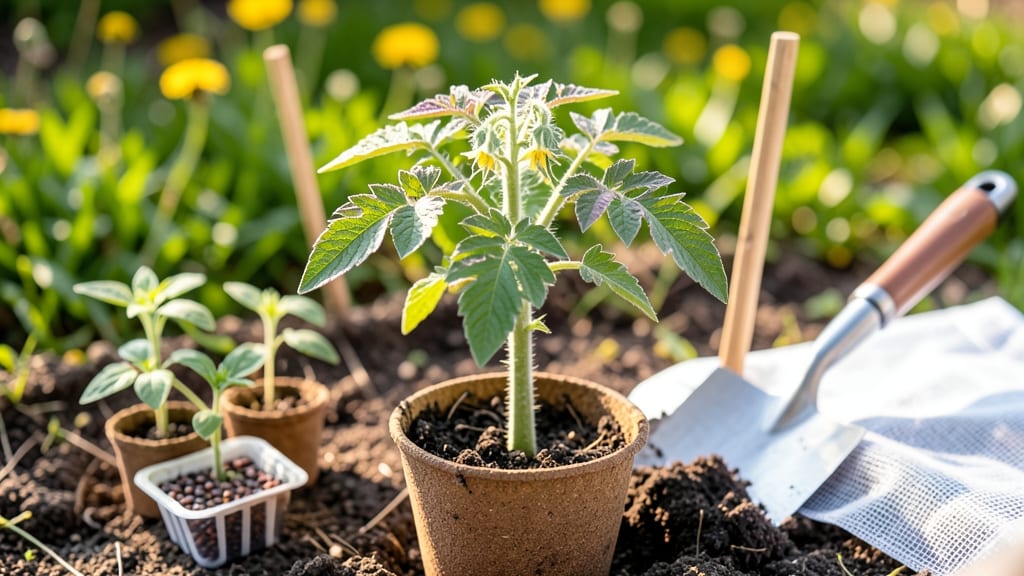
To plant tomato seeds in Ohio, aim for indoor starts 6–8 weeks before your last frost—typically mid-March—so they’re ready to transplant by April 15.
Ohio gardeners know timing is everything—plant tomato seeds too early, and frost will kill them; too late, and your harvest shrinks. But mastering the perfect window for Ohio’s unpredictable climate ensures fast germination and a bountiful yield.
Soil temperature is the real game-changer: seeds won’t sprout until the ground hits 60°F, which usually means waiting until late April or early May for direct sowing. If you’re starting indoors, you’ll need grow lights or a sunny windowsill to keep those seedlings strong.
Below, I’ll break down Ohio’s frost-free zones, the best transplant dates for your region, and how to adjust for early or late springs—so you can skip the guesswork and get those 🍅 plants growing fast.
Ohio’s ideal tomato seed planting dates based on soil temperature
Ohio’s climate varies dramatically from the cold northern zones (5) to the warmer southern regions (7), making soil temperature the deciding factor for tomato seed success. Unlike hardy greens, tomatoes demand consistent warmth—both for germination and growth.
The magic happens when soil reaches 60-70°F, but planting too early risks frost damage, while waiting too long cuts your harvest short.
Most Ohio gardeners rely on average last frost dates (mid-April in southern Ohio to early May in the north), but soil temperature is far more reliable. A soil thermometer becomes your best friend—without it, you’re guessing.
For example, in USDA Zone 6a (central Ohio), seeds planted in mid-April may still face 40°F soil at night, stalling germination for weeks.
Here’s the critical timeline broken down by Ohio’s zones, using soil temperature as your guide—not just calendar dates. The table below shows when to start seeds indoors vs. direct-sowing outdoors, plus how to adjust if your spring runs warm or cold.
| USDA Zone | Avg. Last Frost | Soil Temp for Germination | Indoor Start Date | Outdoor Planting Window | Adjust for Late Frost? |
|---|---|---|---|---|---|
| Zone 5 (north) | May 1-15 | 60-70°F (wait for 60°F) | March 15-April 1 | May 15-June 1 (after soil warms) | Use row covers; plant late varieties |
| Zone 6a (central) | April 15-30 | 60-70°F (wait for 65°F) | March 1-April 15 | April 20-May 10 (soil at 60°F+) | Plant cold-hardy varieties like 'Stupice' |
| Zone 7 (south) | March 20-April 10 | 55-65°F (wait for 60°F) | February 15-March 15 | March 25-April 15 (soil at 55°F+) | Direct sow early; extend season with black plastic |
Notice how Zone 7 can direct-sow as early as late March, while Zone 5 gardeners must wait until May? This isn’t just about frost—it’s about soil warmth.
Even if daytime temps hit 70°F, nighttime soil temps can drop below 50°F, slowing germination to a crawl. Use a soil thermometer (just $10) to confirm readiness—never guess.
If your spring is warmer than average, you can push planting dates earlier. For example, in 2023, southern Ohio saw 65°F soil by March 10, letting gardeners direct-sow 2 weeks early.
Conversely, a cold spring (like 2019) delayed planting until June 1 in some areas. Track local Almanac frost data and adjust by 1-2 weeks based on soil temps.
For northern Ohio gardeners (Zone 5), consider starter plants instead of seeds. Seeds sown in cold soil often rot or take 3+ weeks to germinate, giving plants less time to mature.
Start seeds indoors under grow lights (or a sunny windowsill) 6-8 weeks before your last frost, then transplant when soil hits 60°F consistently.
Pro tip: Black plastic mulch warms soil by 5-10°F, letting you plant 1-2 weeks earlier in all zones. Lay it down 2 weeks before planting to maximize heat retention.
Pair it with row covers for an extra 2-3°F boost on chilly mornings. This combo is a game-changer for Zone 6a gardeners pushing the season’s limits.
Finally, avoid planting after June 15 in most of Ohio—late tomatoes struggle to ripen before frost. If you love heirlooms with longer maturity dates (like 'Brandywine'), start them indoors 8-10 weeks early and use cold frames to extend the season.
With the right timing, you’ll harvest until October 1—or even later with a hoop house!
🌱
How to time tomato seed planting for Ohio’s microclimates (and avoid common mistakes)
Ohio’s diverse microclimates—from urban heat islands to rural frost pockets—make tomato seed timing a balancing act. In cities like Columbus, concrete absorbs heat, while farmland near Toledo stays cooler. Row covers can shave 2-3 weeks off your planting window, but only if you avoid these costly mistakes.
Let’s break down the urban vs. rural rules and how to protect your seedlings from Ohio’s unpredictable spring.
For urban gardeners, start seeds indoors 6-8 weeks before your average last frost (typically mid-April). Rural areas can push this to 4-6 weeks earlier due to cooler nights. Use a soil thermometer—seeds need 60-70°F soil to germinate; anything below 55°F risks damping-off disease.
Pro tip: Pre-warm seed trays on a sunny windowsill or heat mat for 24 hours before planting.
- Overwatering: Seeds need moisture, not soggy soil. Overwatering suffocates seeds and triggers fungal rot. Use a spray bottle for gentle misting.
- Cold Soil: Ohio’s late spring frosts (even in May!) can kill young seedlings. Wait until soil stays above 60°F for 3+ days before transplanting.
- Poor Drainage: Waterlogged soil = root rot. Mix perlite or vermiculite into seed-starting mix to improve airflow.
Ohio’s microclimate zones demand flexibility. In southern Ohio (USDA 7), plant seeds outdoors March 15-April 1 under row covers. In northern Ohio (USDA 5), wait until April 20-May 5 and use black plastic mulch to warm soil faster.
For container gardening (common in cities), start seeds indoors by March 1—containers heat up slower and dry out faster.
Extend your season with low tunnels or cold frames. These can push your last planting date to early June, giving you 60-70 days of growth before frost.
Choose determinate varieties (like 'Roma' or 'Celebrity') for earlier harvests—they mature faster than indeterminate types. Succession plant every 2 weeks for a continuous supply, but stop by July 15 to avoid blossom-end rot from erratic rains.
Create a personalized planting checklist: ☑️ Test soil temp (use a thermometer—aim for 65-70°F) ☑️ Hardening off seedlings for 7-10 days before transplanting ☑️ Use row covers for 2-3 weeks post-transplant to protect from pests ☑️ Mulch heavily with straw or grass clippings to retain moisture ☑️ Monitor weather—delay planting if frost is forecasted within 5 days
Ohio’s variable weather means your planting window can shift by 2-3 weeks from year to year. Keep a garden journal to track your local frost dates and adjust accordingly.
With the right timing and these microclimate hacks, you’ll outpace Ohio’s unpredictable springs and enjoy tomatoes from July through October. 🌱