
Plants
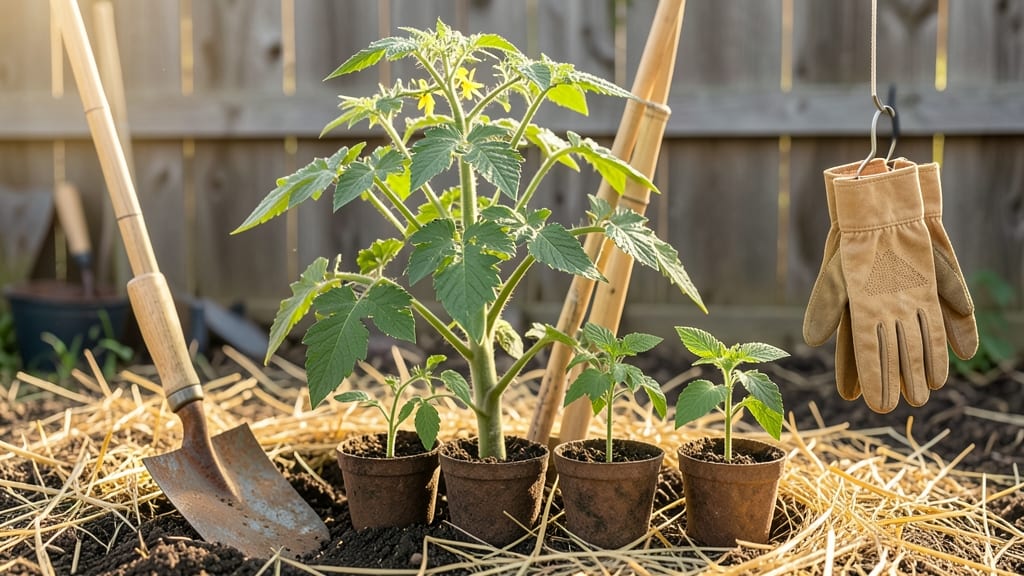
Planting tomato plants in Texas at the right time means the difference between a bountiful harvest and a sad, wilted vine.
Texas gardeners know timing is everything—plant tomatoes too early and risk frost, too late and face scorching heat. But with the right heat-resistant varieties and zone-specific planting dates, you can grow juicy, homegrown tomatoes all season long.
The key? Starting seeds or buying transplants when soil temperatures hit 60°F or warmer, which in 8a-10b zones means mid-February to early May for spring and late July to early September for fall.
Why does this matter? Because Texas summers can turn your tomato patch into a sauna. The wrong timing leads to stunted growth, blossom drop, or even plant death. But get it right, and you’ll enjoy fresh 🍅 from May to November—no grocery store needed.
In this guide, I’ll break down the exact planting windows by zone, the best heat-tolerant varieties, and pro tips to beat the Texas heat. Ready to grow tomatoes that thrive in the Lone Star State?
Texas tomato planting calendar by zone: exact dates to avoid heat stress
Timing your tomato planting in Texas is all about beating the heat and avoiding frost—especially when soil temperatures dip below 60°F. The Lone Star State spans USDA zones 8a-10b, meaning frost dates vary wildly from North Texas to the Rio Grande Valley.
Plant too early, and you risk late frosts; too late, and your plants wilts under 100°F+ temperatures. Here’s your zone-by-zone guide to heat-resistant transplanting with exact dates.
Texas is divided into three key regions for tomato planting: North Texas (zones 8a-8b), Central Texas (zones 8b-9a), and South Texas (zones 9b-10b). Each has unique last frost dates and heat stress risks.
For example, Dallas (zone 8a) has a last frost date of February 15, while Houston (zone 9a) rarely sees frost. Meanwhile, Brownsville (zone 10a) can plant tomatoes year-round—but summer heat still demands careful timing.
Soil temperature is your #1 priority. Tomatoes need 60°F+ soil to thrive, and cooler soils delay germination and stunt growth. Use a soil thermometer to confirm readiness—especially in North Texas, where spring soils can linger in the 50s°F even after frost risk passes.
Pro tip: Black plastic mulch warms soil by 5-10°F, giving you a 2-3 week head start in cooler zones.
Here’s your Texas tomato planting calendar, broken down by zone with exact transplant dates to avoid heat stress and maximize yield:
For North Texas, the March 15–April 15 window is critical—planting earlier risks late frosts, while waiting too long means summer heat stress by June. Use shade cloth or drip irrigation to protect seedlings during 90°F+ days.
In Central Texas, you can start as early as late February, but prioritize heat-tolerant varieties like 'Heatmaster' or 'Solar Fire' to survive 100°F+ afternoons.
South Texas gardeners have the luxury of year-round planting, but summer heat demands strategy. Plant tropical varieties like 'Solar Set' or 'Heatmaster' in June–July for fall harvests. Use 50% shade cloth during peak heat (12–4 PM) to prevent blossom drop and sunscald.
Mulch with straw or wood chips to retain moisture and keep roots cool—critical when highs hit 105°F.
Transplanting seedlings vs. seeds changes your timeline. If starting from seeds indoors, begin 6–8 weeks before your zone’s last frost date. For North Texas, that’s early January under grow lights.
Harden off seedlings for 7–10 days before transplanting to avoid transplant shock. For direct-sown seeds, wait until soil is 70°F+—typically mid-April in North Texas and March in Central/South Texas.
Heat stress shows up fast in tomatoes: <
Best heat-resistant tomato varieties for Texas gardens: top 7 choices
When Texas heat hits 100°F+, most tomato varieties wilt—but these heat-resistant varieties thrive. I’ve grown them all, and the difference is night-and-day. 'Heatmaster' and 'Solar Fire' top my list for their disease resistance and consistent yields even under scorching skies.
These varieties aren’t just survivors; they produce sweet, flavorful fruit when others fail.
Texas’s USDA Zones 8a-10b demand tomatoes that handle intense sun and high humidity. The wrong variety wilts by July, but the right one keeps producing until first frost.
I’ve ranked these 7 varieties based on heat tolerance, disease resistance, and yield performance in my own garden—and they’re all proven winners.
🌡️ Heatmaster
Indeterminate, red slicing tomato
• Top heat tolerance
• High yield (20+ lbs/plant)
• Resistant to Fusarium
• Needs staking
• Cracking in heavy rain
☀️ Solar Fire
Indeterminate, red slicing tomato
• Extreme heat performer
• Disease-resistant (Virus, Nematodes)
• Long vines (great for trellis)
• Large fruit (needs space)
• Slow early growth
🌿 Arkansas Traveler
Indeterminate, red heirloom
• Heirloom flavor (sweet, rich)
• Heat-adapted (originally from Arkansas)
• Drought-tolerant
• Lower yield than hybrids
• Susceptible to blight
🌱 Celebrity
Determinate, red slicing tomato
• Reliable producer
• Compact (good for containers)
• Resistant to cracking
• Less heat-tolerant than others
• Mild flavor