
Plants
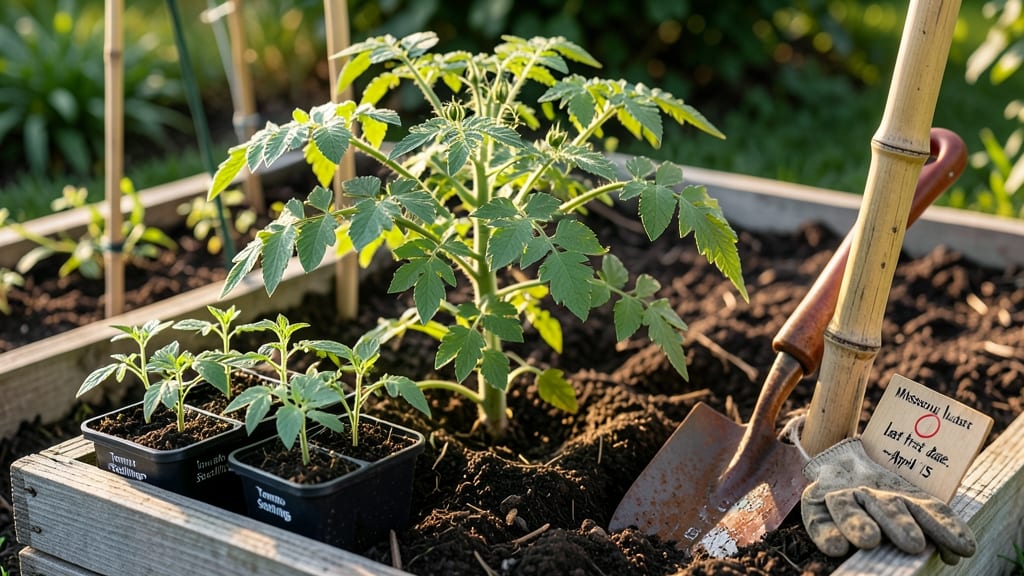
Planting tomato plants in Missouri means timing it right—soil at 60°F and nighttime temps above 50°F are your non-negotiables.
Missouri gardeners know timing is everything—plant tomatoes too early, and frost will kill them; too late, and your harvest shrinks. But with USDA Zones 5 and 6’s unpredictable springs, when exactly should you put those seedlings in the ground?
In Zone 5b (northern MO), wait until mid-May when the last frost is behind you, while Zone 6b gardeners can start as early as late April. The difference? A few weeks that mean the difference between a bountiful 🍅 harvest and a sad, stunted plant.
Below, I break down the exact dates by region, how to adjust for late frosts, and the best varieties for Missouri’s short growing season—so you can finally get those tomatoes in the ground at the perfect moment.
Missouri tomato planting dates by USDA Zone (5 vs. 6): exact timeline
Missouri’s USDA Zones 5 and 6 create a tricky balance for tomato growers. In Zone 5, where nights can still dip below 40°F, your seedlings need extra protection.
Meanwhile, Zone 6 gardeners often enjoy a 2-3 week earlier window—but rushing can backfire if soil stays too cold. The key? Soil temperature matters more than air temperature.
Both zones share one critical rule: Wait until soil reaches 50°F+ for 7+ days and nighttime lows stay above 50°F. This threshold prevents blossom-end rot and ensures strong root growth.
In my northern Missouri Zone 5b garden, I’ve learned the hard way that planting too early—even with row covers—can stall growth for weeks.
🌱 Here’s your exact timeline: Use this summary-table to compare transplanting seedlings vs. direct sowing seeds by zone, plus microclimate adjustments for northern vs. southern Missouri.
| Zone & Region | Last Frost Date | Optimal Transplant Window | Direct Sow Window | Soil Temp Threshold | Microclimate Tip |
|---|---|---|---|---|---|
| Zone 5 (North MO: St. Joseph, Kirksville) |
April 25–May 5 | May 10–20 (after soil hits 50°F) | May 25–June 5 (seeds need warmth) | 50°F+ for 7+ days | Use black plastic mulch to warm soil faster |
| Zone 5b (Central MO: Columbia, Jefferson City) |
April 15–25 | April 25–May 10 (earlier for heat-lovers) | May 10–20 (cover seeds with row fabric) | 50°F+ for 5+ days | Southern exposures plant 1 week earlier |
| Zone 6 (South MO: Springfield, Poplar Bluff) |
April 5–15 | April 15–May 5 (sooner for fast varieties) | April 20–May 10 (direct sow early) | 50°F+ for 5+ days | Hill soil to trap heat in low areas |
| All Zones: Late Planting | N/A | June 1–15 (use determinate varieties) | N/A | 60°F+ soil (minimum) | Choose 'Early Girl' or 'Stupice' |
For Zone 5, I recommend starting transplants indoors by March 15 to give them a head start.
In my Zone 5b garden, I harden off seedlings under row covers for 3–5 days before planting—this buys me an extra week of frost protection. Zone 6 gardeners can push it further: I’ve seen neighbors in Springfield plant as early as April 1 with success, but only with heat-tolerant varieties like 'Celebrity' or 'Solar Fire'.
Direct sowing seeds is riskier in Missouri’s unpredictable springs. I’ve had seeds rot in cold, soggy soil in Zone 5—so I now use biodegradable seed starter pots buried 1 inch deep.
For Zone 6, you can direct sow 1–2 weeks earlier than transplanting, but always monitor soil temps with a soil thermometer.
One critical mistake I see often? Planting based on air temperature alone. In northern Missouri, air might hit 70°F by May, but soil can still be 45°F—that’s a recipe for stunted roots.
Use a soil thermometer (they’re cheap!) to confirm 50°F+ before planting. If you’re in doubt, wait 3–5 days—tomatoes will thank you with bigger yields.
Pro tip: Southern Missouri gardeners can shave 5–7 days off these dates if you’re near urban heat islands (like St. Louis or Kansas City). The extra concrete and pavement warms soil faster.
Meanwhile, rural areas with clay-heavy soils (common in Zone 5) may need to wait 1 extra week—amend with compost to improve drainage.
Missouri’s spring weather can swing from freezing nights to 90°F heat in weeks, making tomato planting a gamble. If you plant too early, a late frost will kill seedlings; too late, and your harvest window shrinks. The key? Flexible strategies to extend your season without risking your crop. I’ve learned that row covers and cold-hardy varieties can add 2-3 weeks of safety to your planting schedule. For most of Missouri (USDA Zones 5b-6a), the ideal transplant window is mid-May to early June, but this shifts north to south. Northern Missouri gardeners should wait until after May 15, while southern areas can start as early as late April under protection. The secret? Soil temperature—wait until it hits 60°F+ for 7+ days—not just air temperature. Missouri’s unpredictable weather means even the most experienced gardeners hedge their bets. Here’s how I adjust planting dates to maximize success: I’ve had the most success with heat-loving varieties like 'Celebrity' (determinate, early) and 'Better Boy' (indeterminate, large fruit) when planting in early June. These thrive in shorter growing windows and produce heavier yields under Missouri’s summer sun. For extra protection, I use row covers or cold frames to push planting back to late April in southern Missouri. Another trick? Stagger planting—put in half your seedlings in late May and the other half in early June. This ensures a continuous harvest from July through September, even if one batch gets hit by blight or heat stress. I also plant dwarf varieties like 'Tiny Tim' in containers, which I can move to shadier spots during peak summer heat. Missouri’s unpredictable weather means flexibility is key. If a late frost threatens, I’ve used floating row covers to protect seedlings until June 1, adding 2-3 weeks to the growing season. For northern Missouri, cold frames or greenhouses can extend the season even further. The goal? Match your variety to your microclimate and adjust as needed—because in Missouri, Mother Nature always has the final say.How to adjust tomato planting dates for Missouri’s unpredictable weather
Late-May Planting (Standard Approach)
Pros
Cons
Early-June Planting (Extended Season)
Pros
Cons