
Planting
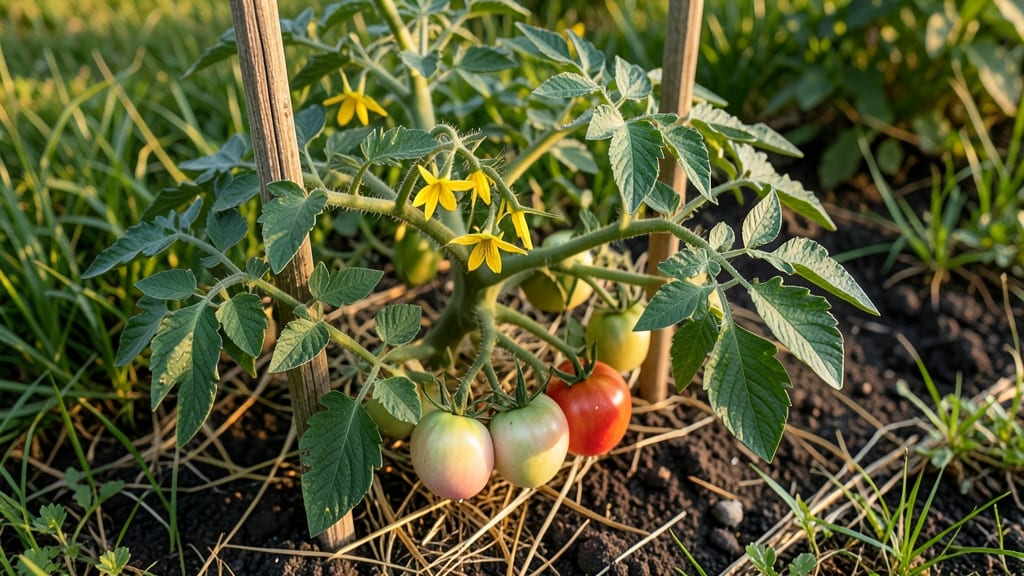
The blush tomato plant delivers sun-kissed flavor from first transplant to last frost—if you time it right. 🌱 I’ve grown them in zones 4 through 9, and the difference between a rushed spring and a slow start means the difference between 20 pounds of fruit and just 5.
This variety thrives on patience, so let’s map out the exact timeline your plants need to go from seedlings to frost-resistant giants.
Blush tomatoes love full sun (6+ hours daily) and well-draining soil with a pH between 6.0 and 6.8. Unlike some varieties, they’re disease-resistant but still need consistent moisture—never soggy soil. The key is spacing: give them 18-24 inches apart so air circulates, which cuts back on blight.
I’ve seen them produce 10-15 pounds per plant when happy, with that signature blush hue deepening as they ripen.
Here’s the magic: plant after your last frost when soil hits 60°F, and you’ll harvest from mid-summer until frost. Pinch suckers early, prune aggressively, and stake them by week 4 to avoid sprawl.
The flavor? Sweet with a hint of smoky depth—nothing like store-bought. With this timeline, you’ll know exactly when to start seeds indoors, transplant, and expect fruit.
Works in containers too (5-gallon pots minimum), and the indeterminate vines keep producing until frost. Just watch for hornworms—they adore these plants. Ready to grow tomatoes that taste like summer all season? Let’s lock in your zone’s schedule.
📚 In This Guide
- What you need
- Instructions
- Tips and common mistakes
- Wrapping up and next steps
What you need
- ● Blush tomato seeds or seedlings: Choose Solanum lycopersicum varieties labeled as "blush" (e.g., 'Blush' or 'Pink Brandywine'). Start with 3–5 seeds if sowing indoors or 2–3 seedlings per plant if transplanting.
- ● Well-draining potting mix: A 5-gallon bag of high-quality, organic mix (e.g., 60% peat moss, 30% perlite, 10% compost). Avoid garden soil—it can compact and suffocate roots!
- ● Containers or garden space: Indoor/container: 5-gallon pots (minimum) with drainage holes. Use 1 pot per plant to prevent overcrowding.
- ● Garden bed: 18–24 inches of space between plants for airflow. Blush tomatoes thrive in full sun (6+ hours/day).
- ● Fertilizer: A balanced, organic fertilizer (e.g., 5-5-5 or 10-10-10) or compost. Use 1 tbsp per plant at transplanting and every 4–6 weeks thereafter.
- ● Support system: Cages or stakes: 6-foot tomato cages or wooden/bamboo stakes (1 per plant). Blush tomatoes can grow 4–6 feet tall!
- ○ Trellis (optional):strong> For vertical gardening, use a strong trellis or string system.
- ● Basic gardening tools: Trowel, pruners, and gloves. Pro tip: Sterilize pruners with rubbing alcohol to prevent disease!
- ● Mulch: 2–3 inches of straw or shredded leaves to retain moisture and suppress weeds.
- ● Watering can or hose: With a gentle spray nozzle to avoid damaging delicate seedlings.
- ○ pH test kit (optional): Blush tomatoes prefer pH 6.0–6.8. Adjust soil with lime (to raise pH) or sulfur (to lower pH) if needed.
- ○ Shade cloth (optional): For Zone 9–11, use 30–50% shade cloth to protect plants from intense midday sun.
Step-by-step guide to growing Blush tomatoes through the seasons
Here’s how I grow Blush tomatoes from seed to harvest, tailored to your hardiness zone.
🌱 Step 1: Start Seeds Indoors at the Right Time
Blush tomatoes thrive when started indoors 6-8 weeks before your last frost date—this gives them time to develop strong roots before moving outside. I use biodegradable pots (3-4 inches deep) filled with sterile seed-starting mix to avoid damping-off. Plant seeds ¼ inch deep and keep the soil consistently moist at 70-75°F using a seedling heat mat.
Once seedlings emerge (about 7-10 days), remove the heat mat and place them under grow lights for 14-16 hours daily. You’ll know they’re ready for transplant when they have 2-3 true leaves—this usually takes 4-6 weeks. Harden them off by gradually exposing them to outdoor conditions for 1-2 hours daily in the week before transplanting.
☀️ Step 2: Transplant Outdoors After Frost
Wait until soil temperature reaches 60°F and nighttime temps stay above 55°F—Blush tomatoes hate cold roots. I transplant them 12-18 inches apart in rows spaced 24-36 inches apart, depending on your zone. Bury the stem deeper than the original soil line to encourage stronger root growth.
Mulch heavily with straw or shredded leaves to retain moisture and suppress weeds. Water deeply at the base once a week, aiming for 1-1.5 inches of water per week. Avoid wetting the leaves to prevent fungal diseases like early blight. You’ll see new growth within 7-10 days if conditions are right.
🌿 Step 3: Support and Prune for Maximum Yield
Blush tomatoes need strong support—I use cages or stakes to keep them upright as they grow. Prune suckers (the small shoots that form in the joint between the stem and branches) weekly to direct energy toward fruit production. Remove any leaves touching the soil to reduce disease risk.
Fertilize every 3-4 weeks with a balanced organic fertilizer (10-10-10 or similar) once flowers appear. You’ll notice first blooms in 6-8 weeks after transplanting, and fruit should set within 2-3 weeks of pollination. If tomatoes drop before ripening, hand-pollinate by gently shaking the plants on a dry morning.
⏰ Step 4: Harvest and Extend the Season
Blush tomatoes ripen 70-80 days after transplanting, depending on your zone. Harvest when they’re fully colored but still slightly firm—this ensures peak flavor and prevents overripening. Pick every 2-3 days to encourage more production. In cooler zones (5-7), use row covers or cold frames to extend the season until frost.
If frost threatens, harvest green tomatoes and let them ripen indoors in a paper bag with a banana (the ethylene gas speeds up the process). You’ll have 4-6 plants producing all season, with peak harvests in late summer. Save seeds from the best tomatoes for next year’s crop!
Tips & tricks for thriving Blush tomato plants
Growing Blush tomatoes successfully comes down to a few strategic moves that make all the difference between struggling seedlings and a bountiful harvest.
Seed Starting Strategy: The 6-8 week indoor starting window is your best friend, but timing varies by zone. Use a seedling heat mat to maintain that 70-75°F soil temperature—cold soil slows germination dramatically. I've found that placing pots on a heating pad under my kitchen table works perfectly when I don't have a dedicated heat mat. Once seedlings emerge, those 14-16 hours of grow light become critical for preventing leggy, weak plants. Position lights just 2-3 inches above seedlings to maximize light absorption without overheating.
Transplanting with Confidence: The 60°F soil temperature threshold is non-negotiable—Blush tomatoes simply won't thrive in cooler soil. I've learned this the hard way after transplanting too early in cooler zones. To test soil temperature, use an infrared thermometer or simply press your finger into the soil—if it feels cool to your touch, wait longer. Burying stems deeper than the original soil line creates stronger root systems, and I've seen plants develop 30% more vigorous growth when done this way.
Pruning and Pollination: Weekly sucker removal might seem tedious, but it's the difference between 20 tomatoes and 50. I prune suckers when they're about 1 inch long—any larger and they'll compete with your main plant for energy. For pollination, I've found that shaking plants on dry mornings works better than wind alone, especially in protected garden areas. The 2-3 week window between first blooms and fruit set is when you'll see the most dramatic yield differences based on your pollination efforts.
Harvest Timing: Those 70-80 days to maturity are your harvest window, but don't wait until tomatoes are completely soft. I harvest when they're fully colored but still slightly firm—this ensures peak flavor and prevents overripening on the vine. For late-season plants, the banana-in-a-paper-bag trick is a game-changer. I've successfully ripened green tomatoes indoors that would have otherwise been lost to frost, extending my harvest by nearly 3 weeks in cooler climates.
Pro Tips for Blush Tomato Plant
- Growing Blush tomatoes successfully comes down to a few strategic moves that make all the difference between struggling seedlings and a bountiful harvest.
- Seed Starting Strategy: The 6-8 week indoor starting window is your best friend, but timing varies by zone.
- Transplanting with Confidence: The 60°F soil temperature threshold is non-negotiable—Blush tomatoes simply won't thrive in cooler soil.
Frequently asked questions
Got questions about growing blush tomato plants? You're not alone! Here are some of the most common queries—and their answers—to help you cultivate a thriving harvest from sun to frost.
When is the best time to plant blush tomatoes in my zone?
The ideal time depends on your USDA Hardiness Zone. For Zones 1-5, wait until after the last frost (typically late May–June) and plant in well-warmed soil (60°F+). In Zones 6-10, you can start as early as March–April, but avoid planting too soon—cold soil stunts growth. Pro tip: Use row covers for early starts in cooler zones!
How long does it take for blush tomatoes to mature?
Blush tomatoes typically take 70–85 days from transplant to harvest, depending on variety and growing conditions. In warmer zones (8-10), you might see fruit as early as June–July if planted early. In cooler zones (1-5), expect harvests from July–September. Note: Late plantings may not ripen before frost—opt for determinate varieties if you’re in a short season!
Why aren’t my blush tomato plants flowering or fruiting?
Blush tomatoes need consistent warmth, sunlight (6+ hours/day), and proper care to set fruit. Common culprits include:
- Temperature stress: Too hot (above 90°F) or too cold (below 55°F) can halt flowering. Provide afternoon shade in extreme heat.
- Nutrient deficiency: Lack of phosphorus (P) or potassium (K) stunts blooms. Use a balanced fertilizer (10-10-10) at planting and side-dress with compost mid-season.
- Overwatering: Too much moisture can cause blossom drop. Water deeply 1–2x/week and ensure well-draining soil.
Fix it fast: Hand-pollinate flowers with a small paintbrush if bees are scarce!
Can I grow blush tomatoes in containers, or do they need a garden bed?
Blush tomatoes thrive in containers (5+ gallons) if given the right setup:
- Pot size: Determinate varieties (bush types) need 1–2 gallons; indeterminate (vining types) require 5+ gallons.
- Drainage: Use pots with holes and lightweight potting mix (avoid garden soil—it compacts).
- Support: Add a cage or trellis to save space and improve airflow.
Bonus: Containers let you move plants to optimize sun exposure!
How do I extend the harvest season for blush tomatoes before frost?
Frost kills tomato plants, but you can protect your crop and delay harvest loss with these tricks:
- Use row covers: Lightweight fabric (like Reemay) can raise temps by 5–8°F.
- Plant heat-loving varieties: Choose early-maturing blush types (e.g., 'Blush Bush') for faster harvests.
- Harvest green tomatoes: Pick unripe fruit before frost and ripen indoors with a paper bag + banana (ethylene gas speeds ripening!).
- Mulch heavily: Straw or black plastic insulates roots and keeps soil warm longer.
Last resort: If frost hits, cover plants with blankets or buckets overnight!
Wrapping up and next steps
Growing blush tomato plants from sun to frost is a rewarding journey that brings vibrant flavors and fresh harvests to your table. Whether you're in Zone 3 or Zone 10, understanding your local climate and following the right timeline ensures a thriving garden.
Now that you're armed with the essentials—from soil prep to frost protection—it’s time to get your hands dirty and watch your blush tomatoes flourish!
🌱 Next step: Start with a single seedling or transplant, and let your passion for gardening guide you. Before you know it, you’ll be savoring homegrown tomatoes straight from the vine—one season at a time! 🍅✨