
Planting
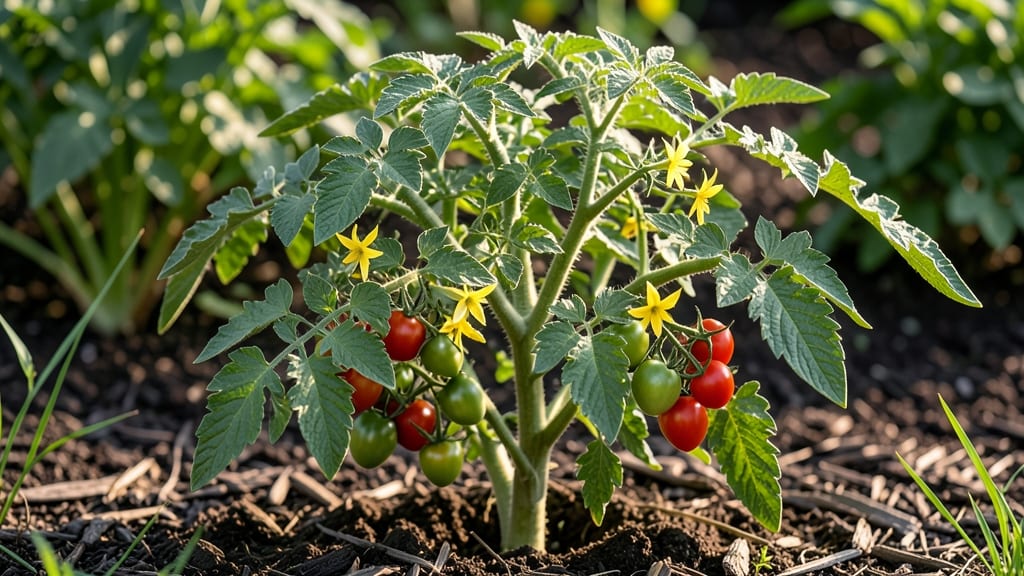
The Topsy Turvy tomato plant grows taller than most gardeners are comfortable with—12 feet high—and its cherry tomatoes are worth every inch of vertical space. 🌿 I’ve grown this indeterminate variety for three seasons, and it never fails to impress with its prolific, sweet fruit and dramatic vines that need proper support to thrive.
The key isn’t just staking; it’s understanding how to guide its growth so you end up with a productive, manageable plant—not a tangled mess.
This variety thrives in full sun and well-draining soil, but its real secret lies in the right trellis or cage system—something sturdy enough to handle its weight without snapping.
I use a 9-foot tomato tower filled with coconut coir for support, which keeps the vines organized and makes harvesting effortless. Pruning isn’t just about shaping; it’s about directing energy toward fruit production, not excessive foliage.
By mid-summer, you’ll be picking pint-sized red jewels that burst with flavor, and the plant will keep producing until frost if you stay on top of watering and pest control.
The vines may sprawl if left unchecked, but with consistent training, you’ll avoid the common pitfall of broken stems or shaded fruit. This isn’t just a tomato plant—it’s a vertical garden statement that transforms any space.
Whether you’re working with a balcony, patio, or backyard, the Topsy Turvy adapts as long as you give it the support it craves. The payoff? A harvest that lasts months and a plant that turns heads—literally, since it often outgrows its neighbors. Let’s get those vines climbing the right way.
📚 In This Guide
- What you need
- Instructions
- Tips and common mistakes
- Wrapping up and next steps
What you need
- ● Topsy Tomato Seeds – 3–5 seeds (or 1–2 seedlings if starting with transplants). Look for Solanum lycopersicum 'Topsy' varieties for that classic indeterminate growth!
- ● Growing Containers or Garden Bed – A 5-gallon pot or larger (minimum 12" diameter) for container growing, or a well-draining garden bed with 6+ feet of vertical space (use a trellis or cage).
- ● High-Quality Potting Mix – A well-draining, nutrient-rich mix (e.g., 60% potting soil + 30% compost + 10% perlite or vermiculite). Avoid garden soil—it can compact and suffocate roots!
- ● Tomato Cage or Trellis – A 6–10-foot-tall sturdy cage (e.g., metal or wooden) or a heavy-duty trellis (at least 2" grid spacing to support vines).
- ● Fertilizer – A balanced, slow-release fertilizer (10-10-10 or 5-5-5) or organic options like compost tea, worm castings, or fish emulsion.
- ● Watering Can or Hose with Nozzle – For deep, consistent watering (aim for 1–2 inches per week, especially during fruiting).
- ● Pruning Shears – Sharp, clean shears (sterilize with rubbing alcohol between cuts to prevent disease).
- ● Mulch – Organic mulch (straw, shredded leaves, or wood chips) to retain moisture and suppress weeds.
- ● pH Test Kit – To ensure soil pH is between 6.0–6.8 (tomatoes thrive in slightly acidic soil).
- ● Plant Support Straps/Ties – Soft velcro or fabric ties to gently secure vines to the trellis as they grow.
- ● Drip Irrigation System – For automated, even watering (especially useful for tall plants).
- ● Row Cover or Shade Cloth – To protect seedlings from pests or harsh sun in early stages.
- ● Succession Planting Seeds – If you want a continuous harvest, plant new seeds every 2–3 weeks.
- ● Plant Markers – To label your Topsy Tomato (or use sticks and twine for a rustic touch!).
Step-by-step instructions for growing a Topsy tomato plant
This dwarf indeterminate variety grows like a jungle—here's how to train it into a 12-foot vertical masterpiece without taking over your yard.
🌱 Step 1: Choose the Right Location and Support Structure
Topsy tomatoes need full sun (8+ hours daily) and a sturdy support system to reach their full height. I use 5-foot tall tomato cages for the base, then attach wooden dowels or bamboo stakes vertically to extend the height—think of it like a ladder for your plant. Space supports 12-18 inches apart to allow the vines to climb naturally.
Here's the thing—if you skip this step, those heavy vines will flop and snap under their own weight. Bury the support structure 6-8 inches deep to anchor it firmly in the soil before planting. You'll want the main stem to grow straight up through the center of the cage, so position it carefully during planting.
🌱 Step 2: Plant Deeply and Stake the Main Stem
Dig a hole deep enough to bury two-thirds of the plant's stem—yes, that means 8-10 inches deep for a standard nursery plant. The buried stem will develop new roots, creating a stronger, more stable plant. Remove any lower leaves that will be underground, as they'll rot.
After planting, immediately tie the main stem to the central support with soft plant ties or strips of old T-shirt fabric. This prevents wind from snapping the young stem as it grows. Water deeply right after planting to settle the soil around the roots—you'll see the soil level drop as it compacts.
☀️ Step 3: Prune and Train Vines Weekly
Once your Topsy reaches 3-4 feet tall, it's time to start pruning. Remove suckers (the small shoots that form in the leaf axils) to direct energy upward. Keep only one main vine growing vertically, allowing it to climb your support structure. You'll notice new growth appearing at the top—this is where your 12-foot monster will develop.
Every 7-10 days, check for new suckers and prune them immediately. The goal is to create a single, strong stem with secondary branches only where you want fruit to develop. I like to leave 2-3 leaves below each new fruit cluster to ensure proper photosynthesis. This might seem drastic, but trust me—your plant will reward you with heavier, more flavorful tomatoes than if you let it bush out.
💧 Step 4: Water and Fertilize for Vertical Growth
Topsy tomatoes have deep roots and need consistent moisture to support their massive height. Water deeply 2-3 times per week (more in extreme heat) until the soil is 6-8 inches damp. You'll know it's right when the top inch feels dry to the touch—this prevents both underwatering and root rot.
Feed with a balanced fertilizer (10-10-10) every 4-6 weeks to support rapid growth. When flowers appear, switch to a low-nitrogen, high-phosphorus fertilizer (like 5-10-10) to encourage fruiting. I also add compost tea monthly to boost microbial activity in the soil—this helps the plant absorb nutrients more efficiently as it grows taller.
✂️ Step 5: Harvest and Maintain Through the Season
Start harvesting when tomatoes reach full color but are still slightly firm—this ensures peak flavor. Topsy tomatoes produce all season long, so check your vines every 2-3 days once fruiting begins. The more you pick, the more your plant will produce. You'll see new flowers forming at the top even as you harvest from the lower branches.
As the season progresses, you may need to add temporary supports to reinforce the main structure, especially if storms or heavy fruit clusters cause wobbling. Prune any diseased or yellowing leaves immediately to keep the plant healthy. With proper care, your Topsy will keep producing until the first hard frost, often yielding 50+ pounds of tomatoes from a single plant.
Tips & tricks for perfect Topsy tomato training
Transforming a Topsy tomato into a 12-foot vertical wonder takes patience—and these tricks will help you avoid the rookie mistakes that turn lush vines into floppy disasters.
Support System Stability: The 6-8 inch deep burial for your support structure isn't just about anchoring—it's about creating a foundation that won't wobble when your plant hits its 12-foot ceiling. I've seen wooden dowels snap when planted too shallowly, so drive them in like you're hammering a tent stake. For extra insurance, add a horizontal brace halfway up the structure once the plant reaches 6 feet. This prevents the classic "leaning tower of Pisa" effect when heavy fruit clusters develop.
Pruning Precision: Those 7-10 day pruning intervals might seem arbitrary, but they're actually timed to match the plant's growth cycles. I've learned the hard way that waiting too long lets suckers grow into thick, woody stems that are impossible to remove later. Use sharp pruning shears and make clean cuts just above the leaf axil where the sucker emerges. The goal is to maintain that single vertical vine—anything else creates a bushy mess that struggles to support its own weight.
Watering Wisdom: The "6-8 inches damp" rule is your golden standard, but the real secret is timing. Water in the morning so the soil has all day to absorb moisture before evening evaporation. I've noticed my Topsy plants develop blossom end rot when watered inconsistently—this happens when the soil moisture fluctuates too wildly. Use a moisture meter if you're unsure, or simply check by feeling the soil at the 6-inch depth with your fingers. It should feel like a well-wrung sponge, not a dry brick.
Fertilizer Transition: Switching from 10-10-10 to 5-10-10 when flowers appear isn't just about the numbers—it's about signaling to the plant that it's time to shift from vegetative growth to fruiting. I've found that adding a handful of bone meal to the soil at planting time gives an extra phosphorus boost that helps establish strong root systems early. This head start means your plant will be better prepared to handle the nutrient demands of producing 50+ pounds of tomatoes.
Pro Tips for Topsy Tomato Plant
- Transforming a Topsy tomato into a 12-foot vertical wonder takes patience—and these tricks will help you avoid the rookie mistakes that turn lush vines into floppy disasters.
- Support System Stability: The 6-8 inch deep burial for your support structure isn't just about anchoring—it's about creating a foundation that won't wobble when your plant hits its 12-foot ceiling.
- Pruning Precision: Those 7-10 day pruning intervals might seem arbitrary, but they're actually timed to match the plant's growth cycles.
Frequently asked questions
Got questions about growing your own Topsy tomato plant? You're not alone! These towering vines are a gardener’s dream—but they do come with unique challenges. Below, we’ve answered the most common questions to help you grow a thriving, sky-high tomato harvest.
How tall can a Topsy tomato plant really grow?
A healthy Topsy tomato plant can reach 12–15 feet tall (or even higher!) with proper support and care. Without trellising or pruning, vines may sprawl uncontrollably, so plan for a sturdy cage, trellis, or tower system from day one. Think of it like training a jungle gym for your tomatoes!
When is the best time to plant Topsy tomatoes?
Start seeds indoors 6–8 weeks before your last frost date (typically March–April in most climates). Transplant seedlings after soil temps hit 55°F+ and all frost risk has passed. These heat-lovers thrive in full sun (6–8+ hours daily), so avoid early spring planting—they’ll sulk in cold soil!
Why aren’t my Topsy tomatoes fruiting? What’s wrong?
Blame it on stress, heat, or poor pollination. If temps exceed 90°F+, flowers may drop—try shade cloth or morning watering. For pollination, gently shake vines or invite bees with companion plants like basil or marigolds. Also, check for underwatering or over-fertilizing (too much nitrogen = leafy vines, few tomatoes!).
Can I grow Topsy tomatoes in containers? What size pot do I need?
Yes! Use a 5-gallon+ container with drainage holes and a trellis or tomato tower to support the vine. Opt for lightweight potting mix (they hate soggy roots) and fertilize weekly with a balanced tomato feed. Just remember: Topsy tomatoes need space—containers limit height, so prune aggressively to encourage bushier growth.
Are Topsy tomatoes better for sauces or slicing?
These indeterminate tomatoes are versatile superstars! Their meaty, low-acid flesh excels in sauces, salsas, and fresh slicing. For sauces, let them ripen fully on the vine (deep red color = peak flavor). For slicing, harvest when ¾ ripe and finish ripening indoors. Pro tip: Freeze unripe tomatoes to ripen faster—just place them in a paper bag with a banana!
How do I overwinter a Topsy tomato plant?
Bad news: Topsy tomatoes are annuals and won’t survive winter. However, you can save seeds from your best tomatoes! Let a few fruits fully ripen on the vine, scoop out the seeds, and ferment them in water for 3–4 days. Rinse, dry, and store in a cool, dark place. Next spring, start fresh—your future 12-foot giants will thank you!
Wrapping up and next steps
Growing a topsy tomato plant is like cultivating a living work of art—tall, productive, and full of potential! 🌱 With the right care, these towering vines will reward you with an abundance of juicy tomatoes while adding a stunning vertical element to your garden.
Whether you're a seasoned gardener or just starting out, the key is patience, consistency, and a little creativity in training those vines.
Now that you’re armed with the know-how, roll up your sleeves and get planting! Start small—try one or two plants this season—and let your green thumb shine. Before you know it, you’ll be harvesting tomatoes from a 12-foot masterpiece that’s the envy of the neighborhood. Happy gardening! 🌟