
Plants
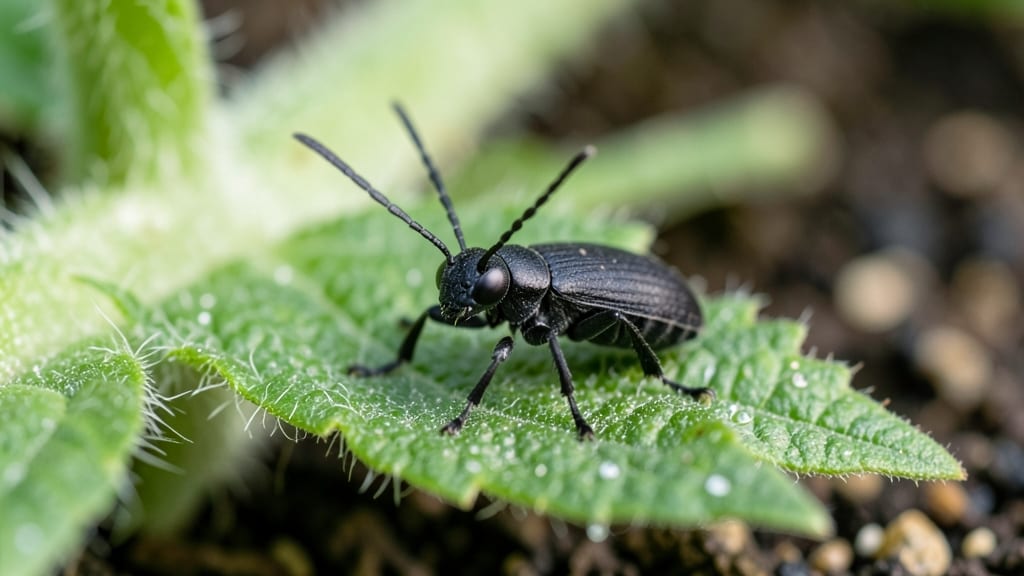
Those tiny black insects on your tomato plants might be flea beetles, aphids, or fungus gnats—and they're already costing you tomorrow's harvest. 🌱 I've battled them in my own garden, and the key to saving your plants is acting fast with the right ID and control methods.
Most gardeners wait too long, thinking the damage isn't serious. But flea beetles chew leaves into lace, aphids drain sap, and fungus gnats stunt roots—all while multiplying exponentially. The good news? You can stop them in their tracks without harsh chemicals if you catch them early.
By the end of this guide, you'll know exactly what you're dealing with and how to eliminate them in 3 natural steps—no guesswork, no wasted time. Your plants will bounce back faster than you think, and next season's tomatoes will thank you.
This works for both container and in-ground tomatoes, whether you're dealing with a few plants or a full garden bed. Let's get those pests under control!
Root Causes of Tomato Plant Invaders
When you spot tiny black insects swarming your tomato plants, it’s rarely a random event—these pests are drawn by specific conditions that make your garden a five-star hotel. Understanding why they show up is the first step to kicking them out for good.
Below, we break down the most common triggers, from environmental factors to plant health red flags.
Tomato plants under stress—whether from poor spacing, nutrient deficiencies, or disease—emit chemical signals that attract pests like aphids, fungus gnats, or even tiny black thrips. Here’s why:
- Weakened defenses: Stressed plants produce fewer natural repellents (like volatile organic compounds), making them easier targets.
- Moisture buildup: Overcrowded foliage traps humidity, creating the perfect breeding ground for fungus gnats (those tiny black flies that hover near soil).
- Root damage: Compacted soil or root-bound plants attract pests like root-knot nematodes, which weaken the plant further and invite secondary invaders.
Actionable fix: Prune plants for airflow, mulch properly, and ensure they’re planted 18–24 inches apart. If soil is waterlogged, amend it with perlite or sand to improve drainage.
Tomato plants thrive in well-drained soil, but soggy conditions turn them into pest magnets. Here’s how moisture plays a role:
| Pest | Why They Love Wet Soil | Signs to Watch For |
|---|---|---|
| Fungus gnats | Larvae hatch in damp soil and feed on roots. Adults lay eggs in moisture-rich environments. | Adults hovering near soil; yellowing leaves (especially lower ones). |
| Shore flies (tiny black flies) | Prefer moist, organic-rich soil to lay eggs. Larvae thrive in decaying matter. | Black flies near soil surface; stunted growth. |
| Sap-sucking aphids | Overwatering dilutes plant sugars, making sap easier to access. Wet foliage also spreads them faster. | Sticky residue (honeydew), curled leaves, and black sooty mold. |
Actionable fix:
- Water at the base early in the day (never overhead) to reduce humidity on leaves.
- Use drip irrigation or soaker hoses to keep foliage dry.
- Add compost or coconut coir to improve soil aeration if it’s clay-heavy.
Too much nitrogen (common in synthetic fertilizers) produces lush, tender growth that pests love to munch on. Meanwhile, deficiencies in phosphorus or potassium weaken the plant’s immune system. Here’s the breakdown:
- High nitrogen: Leads to soft, succulent leaves—aphids and whiteflies’ favorite snack. 🍴
- Low potassium: Makes plants more susceptible to stress and disease, inviting secondary pests.
- Over-fertilized soil: Attracts fungus gnats and shore flies, which thrive in nutrient-rich, moist environments.
Actionable fix:
- Switch to a balanced fertilizer (e.g., 5-5-5 or 10-10-10 NPK ratio).
- Use compost tea or worm castings for slow-release nutrients without the chemical draw.
- Avoid fertilizing during hot, dry spells—plants can’t absorb excess nutrients, leading to waste buildup.
Tomato plants release volatile organic compounds (VOCs) when damaged or unhealthy—essentially sending out a “help, I’m weak!” signal to pests. Here’s what’s happening:
- Damaged leaves: Chewed edges or disease spots increase emissions of compounds like methyl salicylate, which attract aphids and whiteflies.
- Flowering/fruiting stress: Overloaded with tomatoes? The plant diverts energy away from pest resistance, making it easier for insects to move in.
- Weeds and debris: Nearby plant waste or mulch piles harbor eggs and larvae, creating a pest reservoir.
Actionable fix:
- Remove all plant debris (including fallen leaves) within a 3-foot radius of your tomatoes.
- Prune damaged or yellowing leaves immediately to reduce VOC signals.
- Interplant tomatoes with repellent companions like basil, marigolds, or nasturtiums to mask attractant signals.
💡 Pro Tip: If you’ve ruled out moisture and nutrients, check for hidden predators like spider mites or whiteflies. These often arrive first and weaken plants, paving the way for black insects like thrips or aphids.
Natural Ways to Eliminate Tiny Plant Pests
Once you’ve identified the tiny black invaders—whether they’re aphids, fungus gnats, or thrips—you can tackle them with targeted, eco-friendly solutions. Below are practical, step-by-step fixes tailored to each culprit, plus prevention tips to keep your tomato plants thriving.
Aphids cluster on new growth and undersides of leaves, leaving sticky residue. Here’s how to evict them:
1. 🍳 Homemade Soap Spray (Best for Small Infestations)
Mix 1 tbsp mild liquid soap (like Castile) + 1 quart water in a spray bottle. Shake gently and apply directly to aphids (avoid over-spraying leaves to prevent damage). Repeat every 3–4 days until gone.
2. 👨🍳 Introduce Beneficial Insects (Long-Term Fix)
Ladybugs and lacewings devour aphids. Buy them online or attract them naturally with:
- Dill or fennel plants nearby (aphids love these too, luring predators).
- Avoid pesticides—they kill ladybugs too!
3. 🥘 Prune & Destroy Infested Growth
Snip off heavily infested leaves/stems with sterilized scissors (wipe with rubbing alcohol) and dispose of them in sealed bags (not compost). This stops the cycle fast.
💡 Pro Tip:
Neem oil spray (1 tsp neem oil + 1 tsp soap + 1 quart water) works for all soft-bodied pests (aphids, thrips). Spray at dusk to avoid harming bees.
These tiny black flies breed in moist soil. Drown their larvae with these tricks:
1. ⏰ Let Soil Dry Between Waterings
Fungus gnats thrive in soggy soil. Water only when the top 1–2 inches are dry, and use pots with drainage holes.
2. 🔪 Yellow Sticky Traps (Catch Adults)
Hang yellow sticky cards near plants to trap flying adults. Replace every 5–7 days.
3. 🌡️ DIY Larvae Killer (Baking Soda or Hydrogen Peroxide)
- Baking soda method: Sprinkle 1 tsp baking soda on soil surface. The larvae can’t survive in alkaline conditions.
- Hydrogen peroxide: Mix 1 tbsp 3% H₂O₂ + 1 cup water, pour onto soil (avoid roots). Repeat weekly.
💡 Pro Tip:
Sandy soil mixes (add perlite or coarse sand) improve drainage and deter gnats. Repot if using potting mix with high moisture retention.
Thrips are sneaky—here’s how to starve and smother them:
1. 🍳 Mineral Oil Spray (Smothers Adults & Larvae)
Mix 1 tbsp mineral oil + 1 tsp soap + 1 quart water. Spray undersides of leaves (where thrips hide) every 5–7 days for 2 weeks.
2. 🌿 Row Covers (Physical Barrier)
Cover young plants with fine mesh netting to block adult thrips from laying eggs. Remove when flowers appear (to allow pollination).
3. 🌡️ Reflective Mulch (Confuses Them)
Lay silver or aluminum foil around plant bases. Thrips are drawn to blue/yellow light but get disoriented by shiny surfaces.
💡 Pro Tip:
Diatomaceous earth (food-grade) works for thrips too—sprinkle lightly on soil and leaf undersides. Reapply after rain.
Stop tiny black insects before they strike with these low-effort habits:
- 🌱 Healthy soil = strong plants. Amend with compost and worm castings to boost plant resilience.
- 💧 Water at the base (not overhead) to avoid attracting fungus gnats and thrips.
- 🍃 Rotate crops yearly to disrupt pest life cycles.
- 🌿 Plant companion herbs like basil, marigolds, or garlic—they repel many garden pests.
- 🧹 Clean up debris after harvest to remove hiding spots.
Final Note: Consistency is key! Check plants weekly (especially undersides of leaves) and act at the first sign of tiny black invaders. With these methods, your tomato plants will stay pest-free and productive! 🍅💪
Frequently asked questions
Are those tiny black insects actually harmful to my tomato plants?
Yes, they can be! Many tiny black insects like flea beetles, fungus gnats, or aphids damage tomato plants by chewing leaves, sucking sap, or attacking roots. Flea beetles create lace-like holes, while fungus gnats stunt growth by feeding on roots. Act fast—these pests multiply quickly and weaken your plants before you notice.
How do I tell if the tiny black bugs are fungus gnats vs. flea beetles?
Check their behavior and location: Fungus gnats are tiny black flies that hover near soil and lay eggs in damp potting mix. Their larvae look like white worms in the soil. Flea beetles are jumpy, shiny black beetles that chew irregular holes in leaves. Look for these clues—fungus gnats mean soil issues, while flea beetles indicate leaf damage.
Will neem oil work on all tiny black insects on tomato plants?
Neem oil is effective against soft-bodied pests like aphids and thrips but may not kill flea beetles or their eggs. For flea beetles, use row covers or reflective mulch instead. Always apply neem oil at dusk to protect bees, and reapply after rain. Test a small area first to avoid leaf damage.
Can I use chemical pesticides safely on my tomato plants?
Use chemicals only as a last resort—they can harm beneficial insects and contaminate edible tomatoes. If you choose pesticides, opt for pyrethrin-based sprays (derived from chrysanthemums) and apply early in the morning to minimize bee exposure. Always follow label instructions and avoid spraying during flowering.
How often should I check my tomato plants for these tiny pests?
Inspect your plants weekly, especially the undersides of leaves and near the soil. Early detection is key—tiny black insects multiply fast! Pay extra attention after rain or when plants look stressed. A quick 5-minute check can save your harvest before pests take over.