
Pests
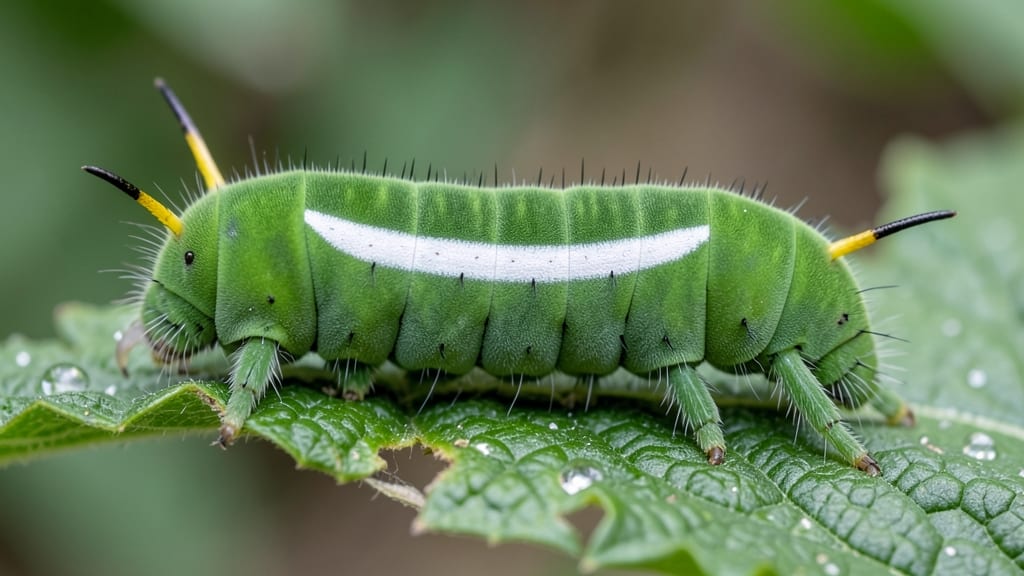
Tomato worm caterpillars can turn your thriving plants into skeletonized nightmares overnight. 🌱 I’ve lost entire tomato harvests to these striped bandits, but I’ve also learned how to outsmart them without reaching for harsh chemicals. The key is early action—catching them before they chew through your fruits and leaves.
These green caterpillars (hornworms) hide under leaves during the day, making them easy to miss until the damage appears. Start by inspecting plants at dawn or dusk when they’re most active. A single caterpillar can devour an entire leaf in hours, so quick removal is critical.
You’ll reclaim your garden with a few simple tricks: handpicking, introducing beneficial insects like parasitic wasps, or using organic sprays like neem oil. My plants now stay lush and productive, and the worms? They’re history before they become a problem.
This method works for all tomato varieties—whether you’re growing heirlooms in the ground or containers on a balcony. Let’s get those plants protected!
Natural Triggers Behind Caterpillar Infestations
If your tomato plants are suddenly hosting an unwelcome feast of hungry caterpillars, you’re not alone. These pests—often hornworms or tomato fruitworms—don’t just appear out of nowhere. Their arrival is tied to specific conditions in your garden or farm.
Understanding the why behind their presence is the first step to stopping them naturally. Let’s break down the key factors that turn your tomato patch into a caterpillar buffet.
Caterpillars are drawn to plants that are already struggling. When tomato plants are overcrowded, they compete for sunlight, water, and nutrients, weakening their natural defenses. Stressed plants produce softer leaves and fruit—perfect snacks for hungry larvae.
- Why it happens: Healthy plants emit chemical signals that deter pests, but stressed plants lose this protective advantage.
- Actionable fix:
- Space tomato plants 18–24 inches apart to improve airflow and reduce competition.
- Prune lower leaves to boost sunlight exposure and strengthen stems.
- Use organic mulch (like straw) to retain moisture and reduce stress.
Tomato worms thrive in warm weather, and their lifecycle aligns with the growing season. If you plant tomatoes too late in the year, the caterpillars may still be active, feasting on your crop before it ripens. Conversely, early plantings can attract overwintering adults eager to lay eggs.
- Why it happens: Caterpillars emerge when nighttime temperatures stay above 50°F (10°C), often peaking in late spring to early summer.
- Actionable fix:
- Plant tomatoes after the last frost date in your region to avoid early infestations.
- Use row covers early in the season to block adult moths from laying eggs.
- Monitor local pest forecasts to time interventions (like neem oil sprays) strategically.
Most gardeners don’t realize the battle starts long before caterpillars appear. Female moths lay tiny, pale green or yellow eggs on the undersides of leaves, stems, or even fruit. These eggs hatch into caterpillars within days—often before you notice the threat.
- Why it happens: Eggs are nearly invisible (about 1mm wide) and blend into plant tissue. A single female can lay 2,000+ eggs in her lifetime.
- Actionable fix:
- Inspect leaves daily during peak moth activity (dawn/dusk). Look for clusters of tiny eggs, especially on lower leaves.
- Remove and destroy infested leaves immediately—do not compost them.
- Use a handheld magnifying glass for early detection.
Not all tomatoes are equally appealing to caterpillars. Hybrid varieties (like ‘Celebrity’ or ‘Better Boy’) and heirlooms with thick, juicy fruit are prime targets. Even the plant’s scent can lure moths—some tomatoes emit volatile compounds that signal "easy meal" to pests.
- Why it happens: Caterpillars prefer plants with high moisture content and thin skins, which are easier to penetrate.
- Actionable fix:
- Choose resistant varieties like ‘Heatmaster’ or ‘Mountain Merit,’ bred to deter pests.
- Avoid over-fertilizing with nitrogen, which makes plants softer and more attractive.
- Rotate crops yearly to disrupt moths’ ability to find your tomatoes.
By addressing these root causes, you can create an environment where tomato worms struggle to thrive—without resorting to harsh chemicals. The key is prevention: healthy plants, vigilant monitoring, and strategic timing. Stay tuned for natural solutions to kick these caterpillars to the curb!
Natural Ways To Eliminate Garden Invaders
Now that you understand why tomato worms caterpillars invade your garden, it’s time to take action—without resorting to harsh chemicals. Below are targeted, eco-friendly solutions tailored to the root cause of your problem, from immediate fixes to long-term prevention.
If you’ve already spotted caterpillars munching on your tomatoes, act fast before they multiply.
👨🍳 Step-by-Step Fix:
- 🔍 Inspect Leaves & Fruit Daily Check the undersides of leaves and green tomatoes for tiny, green or brown caterpillars (they hide well!). Early detection = fewer worms.
- 🧤 Handpick the Pests Wear gloves and pluck caterpillars off plants, dropping them into soapy water (1 tbsp dish soap + 1 gallon water) to kill them instantly. Do this early in the morning when they’re sluggish.
- 🍳 Drown Them in Soapy Water If handpicking feels tedious, fill a bucket with soapy water and let kids (or pets) "fish" for worms—a fun, effective way to remove them.
💡 Pro Tip: Focus on young caterpillars—they’re easier to remove than larger, mature ones.
For larger infestations, these non-toxic sprays disrupt caterpillars’ feeding habits and reproduction.
| Solution | How to Use | Best For |
|---|---|---|
| Neem Oil Spray | Mix 1 tbsp neem oil + 1 tsp mild soap + 1 quart water. Spray evening/night (avoid direct sun). | Eggs, young larvae, and adults |
| Bacillus Thuringiensis (Bt) | Sprinkle Bt powder on leaves or mix with water for a spray. Reapply after rain. | Young caterpillars (safe for bees!) |
| Spinosad Spray | Dilute 1 tsp spinosad concentrate per quart water. Spray at dusk. | Mature caterpillars (organic-approved) |
| Garlic & Chili Pepper Spray | Blend 4 garlic cloves + 1 tbsp cayenne + 1 quart water. Strain and spray. | Deters laying moths and repels worms |
⏰ Timing Matters: Apply sprays every 5–7 days or after heavy rain. Avoid spraying in direct sunlight (can harm plants).
Stop tomato worms before they start with these low-effort, high-impact strategies.
🎯 Barrier Methods (Physical Defense):
- 🧶 Row Covers: Use floating row covers (lightweight fabric) over young tomato plants to block moths from laying eggs. Remove when flowers appear for pollination.
- 🥬 Companion Planting: Interplant basil, marigolds, or nasturtiums—their strong scents repel moths.
- 🧴 Sticky Traps: Place yellow sticky traps near plants to catch adult moths before they lay eggs.
🌡️ Heat & Cold Tricks:
- 🔥 Solar-Powered Trap: Bury a plastic bottle (cut in half) near plants—moths enter but can’t escape. Leave it in sunny spots to bake them.
- 🥶 Freeze Eggs: Scrape off white egg clusters from leaves and freeze them overnight (kills them instantly).
✨ Cultural Controls (Smart Gardening):
- 🍅 Prune & Clean: Remove damaged leaves regularly and compost far from garden (don’t let eggs survive).
- 🌱 Rotate Crops: Avoid planting tomatoes in the same spot yearly—moths remember!
- 🌿 Healthy Soil = Strong Plants: Use compost and mulch to keep tomatoes robust; healthy plants resist pests better.
- ❌ Avoid Broad-Spectrum Pesticides (like malathion)—they kill beneficial insects (ladybugs, bees) and harm your garden’s ecosystem.
- ❌ Don’t Rely on One Method—combine handpicking, sprays, and barriers for best results.
- ❌ Skip the Nighttime Sprays—some organic sprays (like Bt) lose effectiveness in direct sunlight.
🌿 Final Thought: With consistent monitoring and a mix of these methods, you can keep tomato worms at bay naturally—no chemicals needed! Start with one or two solutions, track what works best for your garden, and adjust as needed. Happy (pest-free) gardening! 🍅✨
Frequently asked questions
What do tomato worm caterpillars look like?
These caterpillars are typically green with white stripes (hornworms) or green with black spots (fruitworms). They can grow up to 4 inches long and have a distinctive "horn" at the rear. Look for them hiding on the undersides of leaves during the day.
Are tomato worm caterpillars harmful to humans?
No, they’re not dangerous to humans. While they may look intimidating, tomato worm caterpillars are not venomous or poisonous. However, they can cause significant damage to your tomato plants if left unchecked, so it’s best to remove them promptly.
How long does it take for a tomato worm caterpillar to become a moth?
Tomato worm caterpillars complete their lifecycle in about 4-6 weeks. They pupate in the soil or leaf litter, emerging as moths within 10-14 days. Since female moths can lay 2,000+ eggs, early intervention is crucial to prevent rapid infestations.
Can I use dish soap to kill tomato worm caterpillars?
Yes! A soapy water solution (1 tbsp dish soap + 1 gallon water) works well for handpicking and drowning caterpillars. Spray it directly on the pests or use it in a bucket to collect them. Just avoid spraying it on plants, as it can harm beneficial insects and damage foliage.
What’s the best time of day to check for tomato worms?
Check your tomato plants early in the morning or late afternoon when caterpillars are sluggish. They hide during the day but become active at dawn/dusk. This is also the best time to handpick them or apply organic sprays like neem oil.