
Vegetables
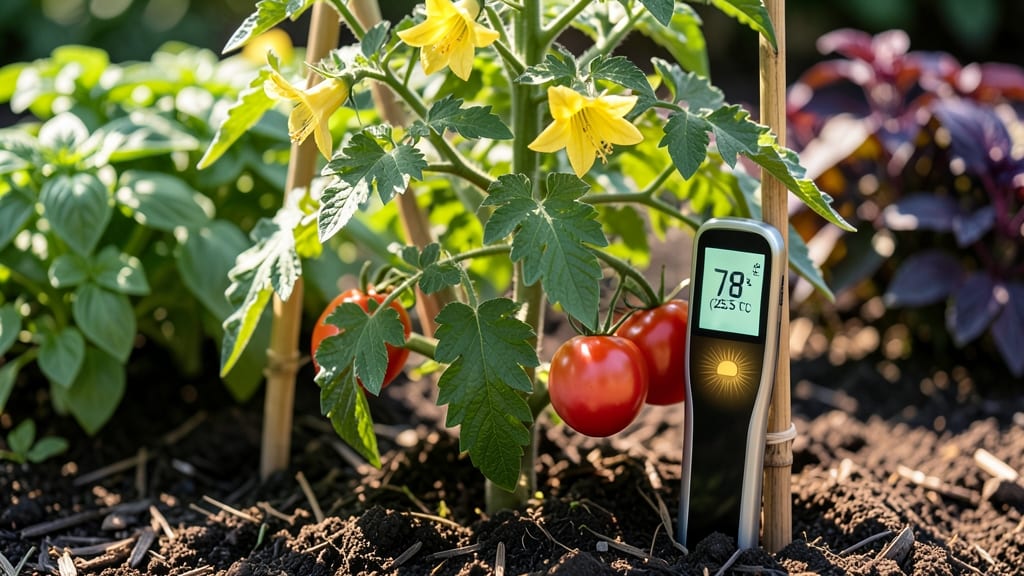
Tomatoes need a precise temperature range to grow and produce fruit—too hot or too cold, and you’re left with stunted plants or cracked, flavorless tomatoes.
Did you know that tomatoes thrive in specific temperature ranges—and getting it wrong can mean the difference between juicy, flavorful fruit and bland, cracked disappointment? Mastering the ideal tomato temp range is the secret to a bountiful harvest.
Daytime temperatures should stay between 70°F and 85°F for optimal growth, while nights need to dip to 55°F to 65°F to prevent stress. Below 50°F, growth slows, and above 90°F, flowers may drop off entirely.
In this guide, I’ll break down the best temperature zones for every stage of growth, from seedling to harvest, plus practical tips to keep your 🍅 plants happy—even in extreme weather.
Optimal temperature ranges for tomato plant growth and fruit development
Did you know that tomatoes thrive in specific temperature ranges—and getting it wrong can mean the difference between juicy, flavorful fruit and bland, cracked disappointment? Mastering the ideal tomato temp range is the secret to a bountiful harvest.
Unlike many plants, tomatoes are sensitive to both heat stress and cold damage, with each growth stage requiring slightly different conditions. Understanding these ranges helps you plan your garden layout, choose the right varieties, and even adjust your growing methods for success.
Tomatoes are warm-season crops that need consistent temperatures to grow well. The ideal daytime temperatures range between 70°F to 85°F (21°C to 29°C), while nighttime temperatures should stay between 55°F to 65°F (13°C to 18°C). These ranges support healthy vegetative growth, flowering, and fruit development.
However, deviations outside these ranges can cause serious problems, from stunted growth to blossom drop or even plant death. Let’s break down the optimal conditions for each stage of tomato development.
During the germination stage, tomatoes need soil temperatures of at least 70°F (21°C) to sprout properly. If your soil is cooler, consider using a seedling heat mat or planting in a greenhouse to maintain warmth.
Once seedlings emerge, they thrive in daytime temps of 70-85°F (21-29°C), but nighttime temperatures should never drop below 55°F (13°C). Cold snaps can stunt growth or even kill young plants, so always monitor your local weather forecasts.
When tomatoes transition to the flowering stage, they become even more sensitive to temperature fluctuations. Ideal conditions are 65-80°F (18-27°C) during the day and 55-60°F (13-16°C) at night. If temperatures rise above 90°F (32°C), flowers may drop before pollination occurs, leading to poor fruit set.
This is why many gardeners use shade cloth or drip irrigation to keep plants cool during heatwaves. Even slight deviations can reduce yields, so consistency is key.
For fruit development and ripening, tomatoes need stable temperatures of 70-85°F (21-29°C) during the day and 55-65°F (13-18°C) at night. These conditions ensure proper sugar development and color change.
However, extreme heat—above 95°F (35°C)—can cause sunscald on fruits, leading to white or leathery patches. Additionally, cold damage below 50°F (10°C) can stunt growth or cause bloss
How to adjust your growing conditions for perfect tomato temperatures
Tomatoes are finicky about temperature—too hot or too cold, and you’ll end up with poor fruit quality or even lost crops. The key to success lies in adjusting your growing conditions to match their ideal tomato temp range.
Whether you're battling scorching summers or chilly springs, these practical solutions will help you create the perfect environment for your plants.
Start by understanding that tomatoes need daytime temperatures between 70-85°F for optimal growth, while nighttime temperatures should stay between 55-65°F. When temperatures stray outside this range, your plants will struggle.
For example, heat stress above 90°F can cause blossom drop, while cold snaps below 50°F stunt growth or even kill young plants. The good news? With the right tools and techniques, you can extend your growing season and protect your tomatoes from extreme conditions.
If you're growing tomatoes in hot climates, consider succession planting by sowing heat-tolerant varieties like 'Solar Fire' or 'Heatmaster' in late spring or early summer. These varieties can handle temperatures up to 95°F without dropping blossoms.
Pair them with shade cloths and frequent watering to maximize yields in Zone 9 and above.
For cooler regions, start seeds indoors 6-8 weeks before the last frost and use grow lights to ensure seedlings get enough warmth. Once transplanted, black plastic mulch can raise soil temperatures by 5-10°F, giving your plants a head start.
If frost threatens, cover plants with frost blankets or row covers at night and remove them in the morning once temperatures rise.
Remember, consistency is key—sudden temperature swings can stress plants just as much as extreme heat or cold. Monitor your garden daily and adjust your methods as needed. With these techniques, you’ll create the perfect tomato temp range for healthy growth, abundant blooms, and flavorful fruit all season long. 🌱☀️