
Vegetables
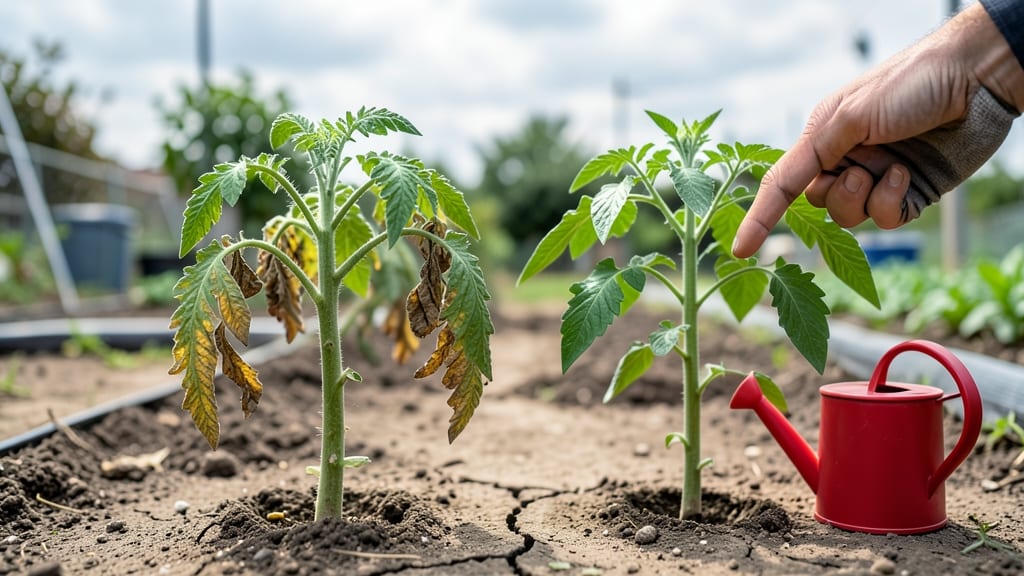
Your tomato seedlings wilting after weeks of care? 🌱 I’ve saved dozens of droopy plants with these simple tricks—no panic required. The first step is figuring out why they’re wilting: too much water, not enough, pests, or even a hidden disease.
Most gardeners overwater without realizing it, turning happy seedlings into sad, mushy messes.
Start by checking the soil: stick your finger in up to an inch deep. If it’s damp, you’re overwatering; if it’s bone-dry, that’s the problem. Yellow leaves with crispy edges? Underwatering.
Black stems or spots? Fungal trouble. Once you pinpoint the issue, the fix is usually as easy as adjusting your watering schedule or snipping off the worst-affected leaves to redirect energy.
With the right care, you’ll see them perk up within 24-48 hours. Healthy seedlings grow strong roots, vibrant leaves, and—best of all—plenty of tomatoes later in the season.
The key is consistency: water at the base, avoid wetting leaves, and keep them in bright but indirect light until they’re ready for the garden.
Prevent future wilting by choosing disease-resistant varieties, spacing plants properly, and using containers with drainage. Trust me, once you master this, your tomato plants will thank you with a bountiful harvest. Let’s bring those seedlings back to life!
Root Causes Behind Wilting Seedlings
Understanding why your tomato seedlings are wilting starts with identifying the hidden stressors at play. These young plants are delicate, and even small imbalances can trigger a rapid decline.
Below, we break down the most common culprits—each with a clear scientific explanation and actionable insights to help you diagnose the issue.
Wilting can be a paradoxical sign—sometimes, too much water is the problem. When soil remains saturated for extended periods, roots suffocate due to lack of oxygen. This triggers anaerobic conditions, where beneficial soil microbes die off, and harmful bacteria (like Pythium or Phytophthora) thrive.
- How to spot it: Seedlings appear soft, mushy, or blackened at the base, and the soil smells rotten or sour. - Fix it: - Check drainage: Ensure pots have drainage holes and use a well-aerated potting mix (avoid dense, clay-heavy soils). - Water wisely: Let the top 1–2 inches of soil dry out between waterings.
Stick your finger in—if it’s damp past your first knuckle, hold off. - Repot if needed: If roots are circling or the soil is compacted, transplant into fresh, loose mix with perlite or vermiculite.
On the flip side, insufficient water causes cells to lose turgor pressure (the internal water pressure that keeps stems rigid). Tomato seedlings wilt dramatically when dehydrated, often recovering at night if humidity is high.
- How to spot it: Leaves curl inward, feel crispy or dry to the touch, and the soil is bone-dry even at the surface.
- Fix it:
- Water deeply: Soak the soil until water runs out the drainage holes—don’t just dampen the surface.
- Mulch lightly: Use a thin layer of straw or coconut coir to retain moisture without smothering seedlings.
- Adjust frequency: Water early in the day (before 10 AM) to reduce evaporation.
When roots are disturbed (e.g., during repotting, overcrowding, or rough handling), they struggle to absorb water and nutrients efficiently. This leads to wilting within hours or days post-disturbance.
- How to spot it: Seedlings wilt suddenly after repotting, even if soil moisture is fine.
Roots may look brown, mushy, or tangled when inspected. - Fix it: - Handle gently: Use the drip irrigation method (water at the soil line, not the stem) to avoid shocking roots. - Support recovery: Apply a diluted seaweed extract (1 tsp per gallon) to boost root growth hormones. - Space properly: Ensure 2–3 inches between seedlings to prevent root competition.
Tomato seedlings are sensitive to extremes. Cold snaps (below 50°F/10°C) slow metabolism, while scorching heat (above 90°F/32°C) causes water loss faster than roots can replace it.
- How to spot it:
- Cold stress: Wilting is evening-specific (leaves droop at night but perk up in warmth).
- Heat stress: Leaves yellow at the edges, and wilting occurs during peak sun hours.
- Fix it:
- Shade cloth: Use 30–50% shade fabric during heatwaves.
- Hardening off: Gradually expose seedlings to outdoor temps over 7–10 days before transplanting.
- Avoid cold drafts: Keep seedlings away from windows, doors, or AC vents.
Wilting can signal nutrient starvation, particularly potassium (K) or calcium (Ca) deficiencies, which weaken cell structure. Over-fertilizing with nitrogen (N) also burns roots, while phosphorus (P) shortages stunt root growth.
- How to spot it:
- Potassium deficiency: Older leaves yellow with brown edges (but wilting persists).
- Calcium deficiency: New leaves cup or curl, and stems may soften (blossom end rot in later stages).
- Nitrogen burn: Leaves yellow uniformly (chlorosis), and roots appear blackened.
- Fix it:
- Test soil: Use a DIY pH test kit (ideal range: 6.0–6.8 for tomatoes).
- Balanced feed: Use a 5-10-10 or 10-10-10 fertilizer (N-P-K) at half-strength every 2 weeks.
- Calcium boost: Add crushed eggshells or gypsum to the soil for slow-release Ca.
Root-feeding pests (like aphids, spider mites, or nematodes) and soil-borne pathogens (e.g., Fusarium wilt) disrupt water uptake, causing wilting.
- How to spot it:
- Pests: Tiny webs, holes, or sticky residue on leaves/stems.
- Disease: Yellowing veins, stunted growth, or mushy stems near the soil.
- Fix it:
- Neem oil spray: Apply weekly to deter soft-bodied pests.
- Beneficial nematodes: Use Steinernema feltiae to combat root-knot nematodes.
- Sterilize soil: Solarize soil with clear plastic sheets for 4–6 weeks to kill pathogens.
Seedlings stretch toward light (etiolation) when deprived, leading to weak stems that can’t support leaves. Overcrowding also steals nutrients, causing wilting.
- How to spot it: Seedlings are long, leggy, and pale, with large gaps between leaves.
- Fix it:
- Optimize light: Provide 14–16 hours of light/day (grow lights 2–3 inches above seedlings).
- Thin seedlings: Snip weakest stems at soil level, leaving the strongest 2–3 per pot.
- Rotate pots: Turn seedlings quarter-turn daily for even growth.
Before acting, press a leaf gently:
- Springy (bounces back): Likely underwatered.
- Soft/mushy: Overwatered or disease.
- Crispy/dry: Heat or nutrient stress.
Revive Your Seedlings Fast
Wilted tomato seedlings can feel like a gardener’s worst nightmare—but don’t toss them just yet! With the right approach, you can nurse them back to health and watch them thrive.
Below, we’ve mapped out practical fixes for the most common causes of wilting, along with prevention tips to keep your seedlings strong from the start.
Signs: Yellowing leaves, mushy stems, soil that feels soggy or smells foul.
How to Fix It:
- 🚰 Stop Watering Immediately
- Let the top 1–2 inches of soil dry out before watering again. Overwatering suffocates roots by cutting off oxygen.
- 🌱 Improve Drainage
- If your pots lack drainage holes, repot the seedlings into containers with holes or add a layer of perlite/pumice to the soil mix.
- Pro Tip: Mix in coarse sand or vermiculite (20% of the soil) to boost aeration.
- 🔄 Air Them Out
- Gently remove the seedlings from the pot, trim any blackened roots with sterilized scissors, and replant in fresh, dry soil.
- Place them in a shady, breezy spot for 24–48 hours to dry out further.
Prevent It:
- Water only when the top inch of soil is dry (stick your finger in to check!).
- Use well-draining potting mix (avoid garden soil—it compacts and holds too much moisture).
- Mulch lightly with straw to regulate moisture without smothering roots.
Signs: Crispy, brown edges on leaves, dry soil pulling away from pot sides, wilting that worsens in heat.
How to Fix It:
- 💦 Give Them a Deep Drink
- Water slowly and thoroughly until it drains from the bottom. Avoid quick sprinkles—roots need hydration deep down.
- 🌿 Trim Damaged Foliage
- Snip off brown, crispy leaves with clean scissors to redirect energy to new growth.
- 🌡️ Adjust Watering Schedule
- Water early in the morning (6–8 AM) to reduce evaporation. In extreme heat, water twice daily (morning + late afternoon).
Prevent It:
- Group seedlings together to create a microclimate with higher humidity.
- Use self-watering pots or drip irrigation for consistent moisture.
- Mulch with pebbles or gravel around pots to slow water loss.
Signs: Wilting during the day that recovers at night, sunburnt (white/yellow patches) on leaves, slow growth.
How to Fix It:
- 🏜️ Move Them to Shade
- Shift seedlings to a 50% shade cloth or under a dappled tree for 3–5 days. Gradually reintroduce sun over a week.
- 💦 Boost Humidity
- Mist leaves lightly in the morning (avoid evening to prevent fungal issues).
- Place a tray of water with pebbles nearby to increase air moisture.
- 🌱 Harden Them Off Slowly
- If seedlings were indoor-started, acclimate them to outdoor temps over 7–10 days by moving them outside for 1–2 hours daily, increasing time gradually.
Prevent It:
- Start seedlings indoors 6–8 weeks before the last frost, then harden off properly.
- Choose heat-tolerant varieties like ‘Solar Fire’ or ‘Heatmaster’ if your climate is scorching.
- Water deeply in the morning to help roots stay cool.
Signs: Wilting paired with chewed leaves, sticky residue (aphids), or white mold on stems.
How to Fix It:
- 🔍 Identify the Culprit
- Aphids/Spider Mites? Spray with neem oil (1 tsp per quart of water) or soapy water (1 tbsp mild soap + 1 quart water).
- Fungal Issues (e.g., damping-off)? Remove affected seedlings immediately and treat remaining plants with baking soda spray (1 tsp baking soda + 1 quart water + a drop of soap).
- 🌱 Repot Healthy Seedlings
- If roots are healthy but leaves are damaged, transplant to fresh, sterile soil to break the disease cycle.
Prevent It:
- Sterilize tools with rubbing alcohol before handling seedlings.
- Space seedlings to improve airflow (3–4 inches apart).
- Rotate crops yearly to prevent soil-borne diseases.
Signs: Roots circling the pot, stunted growth, wilting that worsens as the plant outgrows its space.
How to Fix It:
- 🏗️ Upgrade Their Home
- Gently loosen roots with your fingers or a chopstick, then transplant into a larger pot (at least 6 inches deep) with fresh potting mix.
- 💡 Fertilize Lightly
- Use a balanced, water-soluble fertilizer (5-5-5 or 10-10-10) diluted to half strength 1 week after repotting.
Prevent It:
- Start with the right pot size: 2–3 inch pots for early growth, then gradually increase as seedlings mature.
- Avoid overcrowding—thin seedlings if they’re competing for space.
Before giving up, run through this quick 3-step rescue plan:
- Diagnose the cause (water, heat, pests, or roots?).
- Adjust care immediately (drainage, shade, neem oil, etc.).
- Monitor daily—healthy seedlings bounce back in 3–7 days with the right treatment!
With these fixes, your wilting tomato seedlings will be back to perky and growing in no time. 🍅🌱
Frequently asked questions
Why do my tomato seedlings wilt so fast after watering?
Fast wilting after watering usually means root damage or disease. If the soil feels soggy and stems are mushy, you're likely dealing with overwatering or root rot. Check for blackened stems or foul smells—these are red flags. The fix? Stop watering immediately, improve drainage, and repot in fresh, sterile soil with perlite.
Can I save tomato seedlings that are completely limp and lying flat?
Yes, but act fast! First, check if the roots are still firm (not mushy). If they are, lay the seedlings on their sides in shade for 1–2 hours to recover. Then, water lightly at the base and move to brighter light. If roots are rotting, trim the blackened parts, replant in fresh soil, and keep them dry for 48 hours. Most seedlings bounce back within 24–48 hours if the roots are healthy.
How often should I water tomato seedlings to prevent wilting?
Water when the top 1–2 inches of soil are dry—stick your finger in to check! For most seedlings, this means every 2–3 days, but adjust based on your climate. Morning watering is best to reduce evaporation. Avoid wetting leaves to prevent fungal diseases. If your seedlings wilt daily, you're likely overwatering or they need more shade.
What’s the difference between wilting from underwatering vs. overwatering?
Underwatered seedlings have crispy, dry leaves that stay wilted all day, while overwatered ones feel soft, mushy, or blackened at the base and often smell foul. Another clue: underwatered plants recover at night if humidity is high, while overwatered ones continue to droop. Always check soil moisture before assuming the cause!
Should I fertilize wilting tomato seedlings?
Wait until they recover! Fertilizing stressed seedlings can burn their roots. Once they perk up, use a balanced, water-soluble fertilizer (5-5-5 or 10-10-10) at half strength every 2 weeks. For a quick boost, mix 1 tsp of seaweed extract per gallon of water to encourage root growth without overloading them.