
Pests
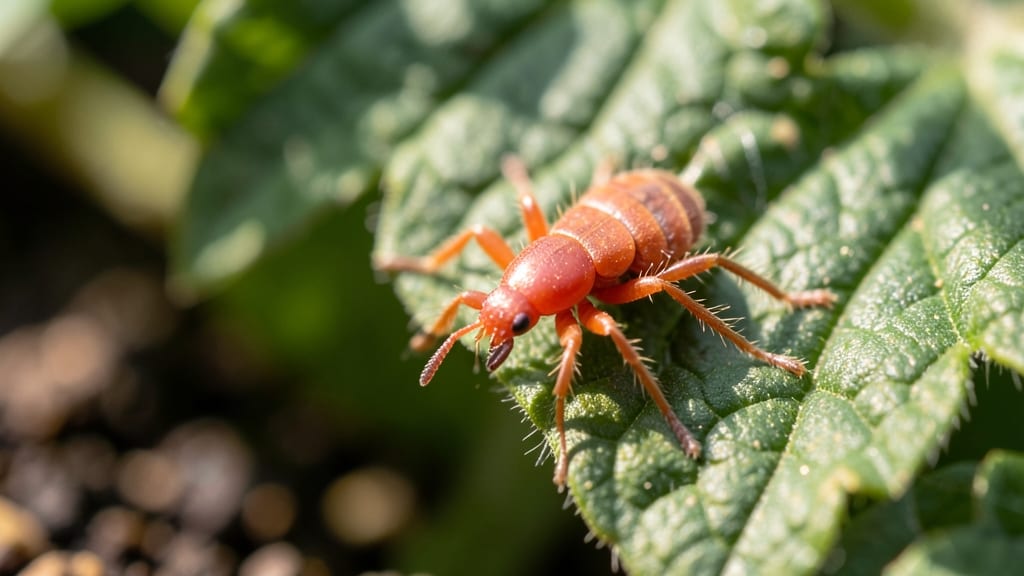
That bronze-speckled tomato leaf sent me scrambling for answers—until I discovered the tomato rust mite was the culprit. 🌱 The tiny red mites leave behind a telltale pattern that stunts growth and ruins yields, but the right organic spray can turn things around in just days.
First, confirm it’s rust mites by checking the undersides of leaves for webbing and microscopic specks. Neem oil or insecticidal soap mixed with water creates a foolproof spray that suffocates them without harming your plants.
For heavier infestations, copper sprays add extra protection—just apply in the evening to avoid burning leaves.
What you’ll end up with is tomato plants that bounce back with vibrant green leaves and full-sized fruit. The key is consistency: spray every 3-5 days until the mites disappear, then switch to preventive measures like resistant varieties and proper spacing to keep them away for good.
Works for home gardeners and commercial growers alike—no harsh chemicals needed. Here’s how to tackle the problem once and for all.
Hidden Triggers Behind Leaf Damage
The tomato rust mite isn’t just a random pest—it thrives because of specific conditions that make your plants vulnerable. Understanding these triggers is the first step to stopping an infestation before it starts.
Below, we break down the key reasons these tiny pests attack your tomatoes, along with the science behind their behavior.
Tomato rust mites love hot, dry weather—think temperatures above 85°F (29°C) with low humidity. Here’s why:
- Stress weakens plants: High heat causes tomato leaves to wilt and lose moisture, making them easier targets. Rust mites feed on damaged cells, which release sugars they crave.
- Slower growth = more vulnerability: When plants struggle to photosynthesize efficiently, they produce fewer protective compounds like trichomes (tiny hair-like structures that deter pests).
- Dry air = sticky leaves: Low humidity causes leaf surfaces to become sticky with guttation droplets (sap exuded at leaf edges), which rust mites use as a food source and transport highway.
Pro tip: 💡 If your area experiences consistent heatwaves, mulch heavily with straw or wood chips to retain soil moisture and reduce leaf stress.
Rust mites spread rapidly in crowded gardens because:
- Poor airflow = trapped pests: When tomato plants are too close together, air doesn’t circulate well. This creates microclimates where mites thrive, protected from natural predators like lacewings or predatory mites.
- Shared damage = faster spread: A single infected plant can contaminate neighbors within days via windborne mites or physical contact (e.g., pruning tools, hands, or wildlife).
- Nutrient competition: Overcrowded plants compete for water and nutrients, leading to weakened immune responses—making them prime targets for mites.
Pro tip: 🌿 Space tomato plants 18–24 inches apart and prune lower leaves to improve airflow. If you’re growing in containers, ensure each plant has its own 5-gallon pot minimum.
Healthy soil = healthy plants = natural pest resistance. Rust mites exploit imbalances like:
- Low organic matter: Soil lacking compost or worm castings can’t support strong root systems. Weak roots mean less energy for leaf protection.
- Nitrogen overload: Too much synthetic nitrogen fertilizer (e.g., blood meal) promotes soft, tender leaves—a buffet for mites. Balanced NPK (e.g., 5-5-5) is key.
- Fungal imbalances: Overuse of chemical fungicides can kill beneficial microbes (like Trichoderma), which help plants fend off pests.
Pro tip: 🌡️ Test your soil’s pH—rust mites prefer slightly acidic to neutral (6.0–7.0). Amend with lime (to raise pH) or sulfur (to lower it) if needed.
Once you remove these triggers, your tomatoes become far less appealing to rust mites. The next step? Targeted organic sprays to smother and starve existing infestations—coming up next!
Quick Fixes for Tiny Leaf Scorch
Now that you know what’s causing those unsightly yellowing leaves and stunted growth, it’s time to act. The good news? You can tackle this pesky problem with a mix of immediate fixes and long-term prevention.
Below, we’ll break down the most effective solutions based on the root cause—whether it’s an infestation, environmental stress, or poor garden hygiene.
If you’ve already spotted signs of tiny leaf scorch, your first priority is to halt the damage before it spreads to other plants.
🍳 Isolate Infested Plants
- Move affected plants at least 10 feet away from healthy ones to prevent cross-contamination.
- If possible, place them in a quarantine area (like a greenhouse or shed) until treated.
- Pro tip: 💡 Check nearby plants for early signs—tiny yellow specks or webbing on undersides of leaves.
👨🍳 Blast Off Pests with Organic Sprays
A homemade neem oil spray is your best friend for knocking out mites fast. Here’s how to make it: 1. Mix 1 tbsp neem oil + 1 tsp mild dish soap (like Castile) in 1 quart of water.
- Stir well and spray thoroughly on both sides of leaves, focusing on undersides where mites hide.
- Reapply every 3–5 days until the problem clears (usually 7–10 days). - ✨ Pro tip: Add a few drops of garlic oil (natural repellent) for extra pest-deterring power.
Alternative: Horticultural oil spray (like Safer® Brand 3-in-1) works well—just follow label instructions.
Sometimes, the issue isn’t just pests—it’s stress from heat, dryness, or poor airflow. Fix these to help plants recover faster.
🌡️ Boost Humidity & Hydration
- Mist leaves in the early morning (avoid evening to prevent fungal growth).
- Use a pebble tray under pots or shade cloth (30–50%) to reduce heat stress.
- Water deeply at the base (not overhead) to encourage strong root growth.
🌬️ Improve Airflow
- Space plants 12–18 inches apart to prevent moisture buildup (a magnet for mites).
- Prune crowded branches to allow sunlight and air to circulate.
- Fan trick: 💡 Place a small oscillating fan on low near plants—it disrupts mite movement and strengthens stems.
Mites and their eggs hibernate in soil, mulch, and old plant debris. A thorough cleanup prevents reinfestation.
🧹 Remove & Replace Infested Mulch
- Pull back old mulch and dispose of it in a sealed bag (don’t compost—mites survive!).
- Replace with fresh, dry mulch (straw or wood chips work well).
- Pro tip: 🔥 Solarize soil in late summer: Cover bare soil with clear plastic for 4–6 weeks to kill pests naturally.
🚿 Sterilize Tools & Containers
- Wipe down pruners, pots, and trellises with 70% isopropyl alcohol or a 10% vinegar solution.
- Rotate crops next season—don’t plant tomatoes or peppers in the same spot for at least 3 years.
Once your plants are healthy again, keep them that way with these habits:
- 🌱 Companion planting: Interplant with marigolds, basil, or chives—they repel mites naturally. - 🕷️ Encourage predators: Ladybugs, lacewings, and predatory mites love eating rust mites.
Buy them online or attract them with dill or fennel. - 📅 Weekly checks: Inspect leaves underneath every 5–7 days, especially in hot, dry weather. - 🌿 Soil health: Add compost or worm castings to boost plant resilience.
Final Reminder: 🎯 Act fast, but stay consistent. Most organic treatments take 7–14 days to fully work—don’t give up after one spray! With these steps, your tomatoes will bounce back stronger than ever. 🍅✨
Frequently asked questions
How do I tell if my tomato plants have rust mites vs. spider mites?
Rust mites leave bronze or yellow speckling on leaf surfaces, while spider mites create fine webbing and cause yellowing between leaf veins. Check undersides of leaves—rust mites are reddish-brown and microscopic (need magnification), while spider mites are slightly larger and yellowish. Rust mites also cause stunted growth without webbing.
Will rain wash away tomato rust mites naturally?
Rain can help reduce mite populations by washing them off leaves, but it’s not a complete solution. Heavy downpours may temporarily relieve symptoms, but mites hide in protected areas (like leaf undersides) and re-infest quickly. For lasting control, combine rain with neem oil sprays and proper plant spacing to prevent recurrence.
Can I use store-bought insecticides for tomato rust mites?
Some synthetic insecticides (like pyrethrin-based sprays) work, but they can harm beneficial insects and may leave residues. For organic gardens, stick to neem oil, insecticidal soap, or horticultural oil. Always follow label instructions and reapply every 3–5 days until mites disappear.
Why do rust mites only attack tomatoes and not other plants?
Tomato rust mites are host-specific to the nightshade family (tomatoes, peppers, potatoes), which produce sugary sap they crave. Other plants lack this chemical attraction, making tomatoes their primary target. The mites also thrive in the high humidity and leaf structure of tomato foliage, which provides ideal hiding spots.
How long does it take for organic sprays to work on rust mites?
With consistent application, you’ll see visible improvement in 7–10 days. Neem oil and insecticidal soap work by suffocating mites and disrupting their life cycle. For severe infestations, combine sprays with pruning damaged leaves and boosting plant health (like proper watering). Patience is key—stopping treatment too soon can lead to recurrence.