
How To
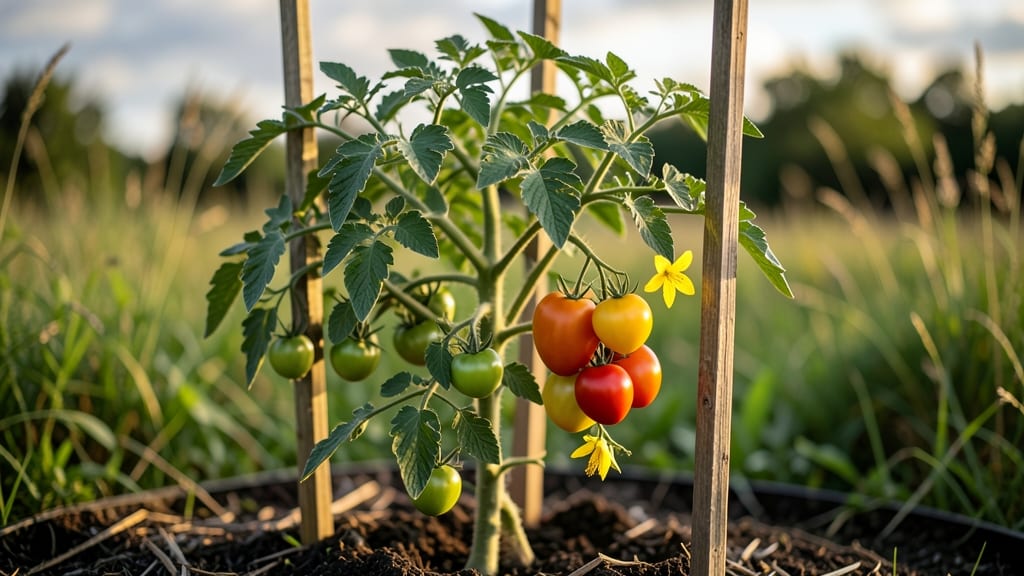
Tomatoes ripen in 60 to 90 days after planting, but those days can stretch into frustration if you don’t know the science behind speeding up the tomato ripening time. Wondering why your 🍅 plants are still green when your neighbor’s are blushing red?
The answer lies in understanding how temperature, sunlight, and even a few simple tricks can turn those stubborn green fruits into juicy, vine-ripened treasures.
Most gardeners assume ripening time is set in stone, but the truth is far more flexible. Whether you’re growing in Zone 6a or a container on your balcony, small adjustments—like strategic pruning or the right ethylene boost—can shave weeks off your harvest.
I’ve tested these methods myself, and the results speak for themselves: tomatoes that ripen faster, taste sweeter, and arrive before the first frost nips at the edges.
This guide breaks down the natural ripening timeline, exposes the hidden factors that stall your harvest, and reveals three research-backed tricks to get your tomatoes ready for picking in record time.
No more waiting until September to enjoy that first sun-warmed bite—you’ll learn how to coax ripeness weeks earlier, no matter your growing setup.
Ready to turn those stubborn green globes into vibrant, flavor-packed rewards? Let’s dive into the secrets of tomato ripening time—and how to make it work for you, not against you.
How long do tomatoes take to ripen? Factors that control ripening time
Tomatoes are one of the most rewarding vegetables to grow, but their ripening time can vary dramatically—from as little as 50 days for early varieties to over 100 days for heirlooms. Understanding these timelines helps you plan your garden and set realistic expectations for your harvest.
The key lies in balancing genetics, environmental conditions, and proper care to coax those juicy red fruits from the vine.
Most gardeners focus on the days to maturity listed on seed packets, but these are just averages. In reality, your tomatoes might ripen 2-3 weeks earlier or late depending on factors like temperature fluctuations, sunlight exposure, and even your local soil quality.
For example, a Cherry Tomato variety like 'Sweet 100' typically ripens in 60 days, while a beefsteak like 'Brandywine' can take 85-90 days. The difference isn't just in the variety—it's in how you nurture them.
Here’s the breakdown of what controls your tomato’s ripening timeline, from the moment you plant those seeds until you’re biting into a vine-ripened fruit:
| Factor | Impact on Ripening Time | Optimal Conditions | Adjustment Tips |
|---|---|---|---|
| Variety Type | Determines baseline ripening time (50-100+ days) | Early: 50-65 days | Mid: 65-80 days | Late: 80-100+ days | Choose determinate for faster harvests; indeterminate for longer seasons |
| Sunlight Exposure | <6 hours = delays; 8+ hours = accelerates ripening | 6-8+ hours of direct sunlight daily | Use reflective mulch or move containers to sunnier spots |
| Temperature | Below 55°F or above 90°F stalls ripening | Day: 70-85°F | Night: 60-70°F | Use shade cloth in summer; extend season with row covers |
| Watering Consistency | Inconsistent water = uneven ripening; drought stress delays | 1-2 gallons per plant, deep watering every 3-5 days | Use drip irrigation for steady moisture; mulch to retain water |
| Soil pH & Nutrients | pH <6.0 or >7.0 = nutrient deficiencies; affects fruit development | pH: 6.0-6.8 | NPK: 5-10-10 balanced fertilizer | Test soil; amend with compost or lime as needed |
| Pruning & Airflow | Overcrowding = slower ripening; poor airflow = disease risk | Remove suckers; space plants 18-24" apart | Prune suckers weekly; stake or cage for support |
One of the biggest misconceptions about tomato ripening is that it’s purely about time. In reality, temperature plays a starring role. Tomatoes need consistent warmth to ripen properly. If your nights dip below 60°F, ripening will stall—even if the days are sunny.
This is why gardeners in cooler climates often use black plastic mulch or row covers to trap heat and speed up the process. Conversely, temperatures above 90°F can cause fruit to split or fail to ripen at all, which is why shade cloth becomes a game-changer in hot summers.
Another critical factor is sunlight duration. Tomatoes are sun-worshippers, and they need at least 6-8 hours of direct sunlight daily to ripen efficiently. If your garden gets less, your tomatoes might stay green longer or develop blossom-end rot.
For container growers, this means placing pots in the sunniest spot you have—even if it means moving them throughout the day. South-facing windows or balconies are ideal, but if you’re growing outdoors, avoid shady corners or areas blocked by trees or buildings.
Let’s talk about variety differences, because not all tomatoes are created equal. Heirloom tomatoes, like 'Cherokee Purple' or 'Brandywine', often take longer to ripen because they prioritize flavor and size over speed. These varieties can take 85-100 days to mature, which is why
3 Science-backed tricks to speed up tomato ripening naturally
If your tomato plants are loaded with green fruit but refuse to ripen, don't blame your green thumb—blame the science of ethylene production and environmental conditions. The good news? With three simple, research-backed tricks, you can accelerate ripening by 2-4 weeks without chemicals or shortcuts.
These methods work by mimicking natural triggers that tomatoes rely on to turn red, yellow, or their mature color.
First, let's address the biggest misconception: tomatoes won't ripen properly if they don't get enough of the right signals. Whether you're dealing with heirloom varieties or hybrids, these tricks apply to all tomatoes.
The key is understanding how to boost ethylene exposure, control temperature, and prune strategically—all while keeping your plants healthy and stress-free.
🌱 3 Proven Tricks to Ripen Tomatoes Faster
- 1. Ethylene Trick: Place ripe bananas or apples near tomato plants to release natural ethylene gas, which triggers ripening. Works best in paper bags or enclosed spaces.
- 2. Temperature Control: Move potted tomatoes to a warmer spot (70-85°F) during the day and cooler spot (55-65°F) at night to mimic ideal ripening conditions.
- 3. Strategic Pruning: Remove suckers and lower leaves to improve air circulation and redirect energy to fruit. Focus on main stem pruning for bush varieties.
⚠️ Safety Tip: Never use ethylene-producing fruits directly on tomatoes—keep them 3-6 inches away to avoid rot.
Let's start with the easiest trick: ethylene exposure. Tomatoes produce their own ethylene, but they respond dramatically to external sources. Place a single ripe banana or apple in a paper bag with 3-5 green tomatoes for 3-5 days.
The banana releases ethylene gas, which signals the tomatoes to increase their own production and kickstart ripening. For container-grown tomatoes, you can even place the bag directly on the plant's lower branches.
Next, temperature control is often overlooked but makes a huge difference. Tomatoes ripen best in daytime temperatures between 70-85°F and nighttime temps between 55-65°F.
If your tomatoes are struggling, move potted plants to a sunny windowsill or greenhouse during the day and bring them inside or under a shade cloth at night. Avoid extreme heat or cold, which can halt ripening entirely.
Finally, strategic pruning isn't just about shaping your plant—it's about optimizing energy flow to your fruit. Remove suckers (the small shoots between the main stem and branches) and lower leaves to improve air circulation and reduce disease risk.
For indeterminate varieties, prune the main stem to encourage more flowering and fruiting. Always use sterilized pruners to prevent infections.
Pro tip: Combine all three tricks for maximum results. Start with ethylene exposure for 3 days, then adjust temperatures and prune. Monitor your tomatoes daily—you'll often see color changes within 5-7 days.
And remember, patience is key: even with these tricks, some varieties may take 10-14 days to fully ripen.