
Fertilization
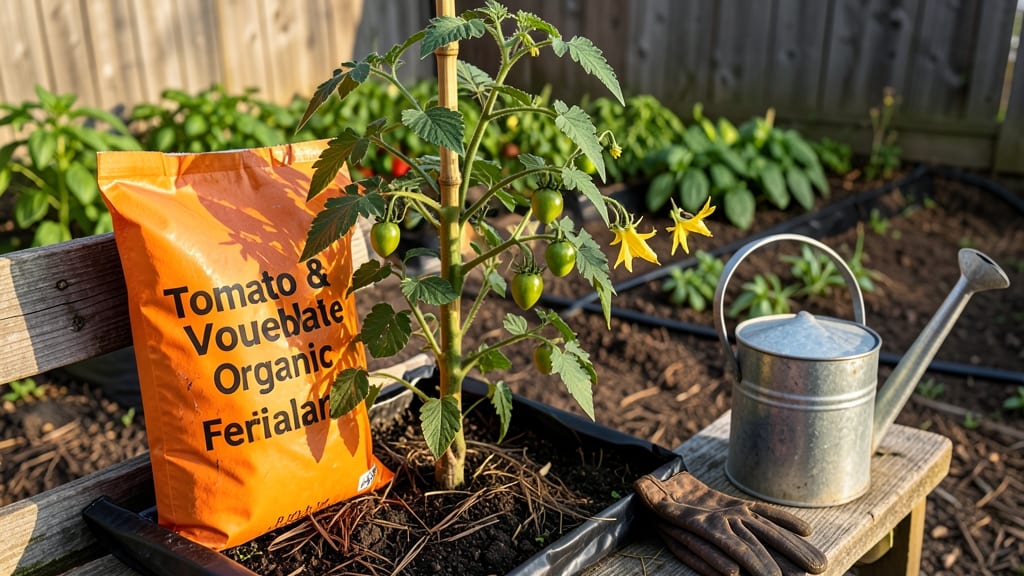
Make tomato plants grow faster isn’t just about patience—it’s about giving them the right conditions to thrive. 🌱 I’ve watched seedlings go from stunted to stocky in just weeks by tweaking a few key factors, and the results are always worth the effort. The secret lies in sunlight, soil, and smart care, not just wishful thinking.
Start with full sun (6-8 hours daily) and warm soil (70°F+), then feed them with balanced fertilizer and compost. My fastest-growing plants get a weekly dose of liquid fertilizer after the first flowers appear—this boosts root and vine growth without burning the plant.
Pruning suckers (those little shoots between the stem and branches) also redirects energy to fruit production.
You’ll see new leaves forming within 5-7 days of proper care, and plants will reach harvest size 2-3 weeks earlier than average. The key is consistency: water deeply but infrequently, mulch to keep roots cool, and avoid overcrowding.
Even my black thumb can’t mess this up once I follow these steps.
Works for both backyard gardens and containers—just adjust watering for smaller pots. The first harvest comes sooner, and the plants keep producing all season. Here’s how to make it happen without shortcuts that backfire.
📚 In This Guide
- What you need
- Instructions
- Tips and common mistakes
- Wrapping up and next steps
What you need
- ● Tomato seeds or seedlings: Start with high-quality heirloom or hybrid varieties (e.g., Early Girl, Cherry Roma). (1–2 plants per container or 12–24" spacing in garden beds.)
- ● Well-draining potting mix or garden soil: Rich in organic matter (e.g., Miracle-Gro Potting Mix or homemade blend: 60% compost, 30% peat moss, 10% perlite). (1–2 bags per plant or 5–10 cubic feet for in-ground planting.)
- ● Fertilizer: Balanced starter fertilizer: 10-10-10 or 5-5-5 (e.g., Jack’s Classic) for seedlings.
- ● High-nitrogen fertilizer: 21-0-0 or 10-5-5 (e.g., Fish emulsion) for early growth.
- ● Bloom booster: 5-10-10 or 10-20-20 (e.g., Tomato-Tone) once flowering starts.
- ● Watering can or hose with adjustable nozzle: For gentle, deep watering (avoid wetting leaves).
- ● Containers or garden bed: Containers: 5-gallon pots minimum (with drainage holes).
- ● Garden beds: Full sun (6+ hours/day) and raised beds preferred.
- ● Pruning shears: Sharp, sterilized tools for trimming suckers and dead leaves.
- ● Mulch: Straw or black plastic (1–2 inches thick) to retain moisture and warmth.
- ● Growth accelerators: Seaweed extract: (e.g., Maxicrop) for root and cell growth (1 tsp/gallon).
- ● Hydrogen peroxide (3%): 1 tbsp/gallon to boost oxygen uptake.
- ● Heat mat or row covers: Extend growing season in cool climates.
- ● pH test kit: Keep soil pH between 6.0–6.8 (tomatoes love slightly acidic soil!).
- ● Epsom salt: (1 tbsp/gallon) for magnesium deficiency prevention.
- ● Compost tea: Homemade or store-bought (e.g., GTG) for microbial boost.
Science-backed speed hacks for faster tomato growth
Here's how to accelerate your tomato plants' growth using proven techniques—no shortcuts, just smart timing and care.
🌱 Step 1: Start Seeds Early with Heat and Light
Tomato seeds germinate fastest at 75-85°F, so I use a seedling heat mat to maintain that warmth. Place your seed trays on it immediately after sowing—this cuts germination time from 10-14 days to just 5-7 days. Keep the soil consistently moist but never soggy; I mist it lightly twice daily until sprouts appear.
Once seedlings emerge, move them under 14-16 hours of grow light daily. Natural sunlight alone won’t cut it—your plants will stretch toward the window and weaken. I position my LED grow lights 2-3 inches above the seedlings and raise them gradually as the plants grow. Watch for compact, dark green leaves—that’s your sign they’re getting the right light.
☀️ Step 2: Transplant Early and Use Black Plastic Mulch
Move seedlings outdoors 2-3 weeks before your last frost date if nighttime temperatures stay above 50°F. I harden them off by placing them outside for 1 hour daily, increasing time gradually. Use black plastic mulch to warm the soil—it raises root-zone temperatures by 5-10°F, which speeds up growth and flowering.
Plant deeply—bury 2/3 of the stem underground. This encourages new root growth along the buried stem, which means more water and nutrient uptake. I pinch off the lower leaves before planting to prevent disease, but leave the top leaves intact to continue photosynthesis.
💧 Step 3: Water Deeply and Fertilize Strategically
Water tomato plants deeply once every 5-7 days instead of shallow daily waterings. This encourages roots to grow deeper, making plants more resilient and faster-growing. I water in the morning so the foliage dries quickly, reducing the risk of fungal diseases like early blight.
Feed plants with a balanced fertilizer (10-10-10 or 5-5-5) every 2-3 weeks once they’re established. I switch to a bloom booster (10-20-20) when flowers appear to speed up fruit set. Avoid over-fertilizing with nitrogen—it promotes leafy growth at the expense of fruit production.
✂️ Step 4: Prune and Train for Maximum Growth
Prune suckers—those little shoots that grow in the leaf axils—regularly to direct energy toward fruit production. I remove them when they’re 2-3 inches long to prevent competition for nutrients. Leave 1-2 main stems for determinate varieties and 1-2 main stems plus a few strong branches for indeterminate types.
Train vines along a sturdy trellis or cage. This improves air circulation, reduces disease risk, and keeps plants growing upward instead of sprawling. I tie stems to the support every 5-7 days as they grow. Watch for new leaves forming at the top—that’s your cue the plant is putting energy into vertical growth.
🌿 Step 5: Boost Growth with Companion Planting and Mulch
Plant tomatoes near basil, marigolds, or onions to deter pests and improve growth. Basil, in particular, repels whiteflies and thrips while enhancing tomato flavor. I avoid planting tomatoes near fennel or brassicas, as they stunt growth through allelopathy.
Apply 2-3 inches of organic mulch around the base of plants to retain moisture and suppress weeds. I use straw or shredded leaves, which also break down slowly to feed the soil. Keep mulch 2 inches away from the stem to prevent rot. You’ll see faster growth and fewer weeds within a few weeks.
Tips & tricks for accelerating tomato plant growth
Here's what nobody tells you about pushing your tomato plants to grow faster—these are the details that make all the difference between average and exceptional results.
Germination Speed: The 5-7 day germination window at 75-85°F is non-negotiable for fast starts. I've found that placing a damp paper towel over the seeds while they're on the heat mat creates a mini greenhouse effect, cutting germination time by another day. Just keep it moist—not dripping—and remove it once sprouts appear. The key is maintaining that consistent warmth without letting the soil dry out.
Light Positioning: When using the 14-16 hours of grow light daily, position your lights so they're just 2-3 inches above the seedlings at their tallest point. I adjust this weekly as plants grow. The light should be bright enough that you can barely see your hand underneath when extended—this prevents leggy growth. If your seedlings start stretching toward the light, you're too far away or need a more powerful bulb.
Transplant Timing: That 2-3 week window before last frost is critical, but don't rush it. I check nighttime lows carefully—if they dip below 50°F consistently, wait another week. The hardening off process with 1 hour daily increments is where most beginners fail. I start with just 15 minutes on day one, then increase by 15 minutes each subsequent day. This gradual transition prevents transplant shock that can stall growth for weeks.
Fertilizer Transition: The switch from balanced (10-10-10) to bloom booster (10-20-20) at flowering is where growth really accelerates. I make this change when I see the first flower clusters appear, not before. The extra phosphorus in the bloom booster helps roots absorb more nutrients, which translates directly to faster vine growth. Just be careful not to overdo it—the roots can't absorb excess nutrients, so always water thoroughly after fertilizing.
Pro Tips for Make Tomato Plants Grow Faster
- Here's what nobody tells you about pushing your tomato plants to grow faster—these are the details that make all the difference between average and exceptional results.
- Germination Speed: The 5-7 day germination window at 75-85°F is non-negotiable for fast starts.
- Light Positioning: When using the 14-16 hours of grow light daily, position your lights so they're just 2-3 inches above the seedlings at their tallest point.
Frequently asked questions
Got questions about turbocharging your tomato plants?
You’re not alone! Here are answers to the most common queries—so you can grow faster, tastier tomatoes without the guesswork.
How soon can I expect to see faster growth after applying these hacks?
With the right conditions (like balanced fertilization and optimal sunlight), you might notice visible acceleration within 1–2 weeks. However, genetics play a role—some varieties (like Early Girl or Cherry Tomatoes) respond quicker than heirlooms. Consistency is key!
Can I over-fertilize my tomato plants while trying to speed up growth?
Absolutely—overdoing it is a common mistake!
Too much nitrogen (especially synthetic fertilizers) leads to leafy, leggy growth but fewer fruits. Stick to a balanced 5-10-10 or organic compost and follow label instructions. Slow-release options are safer for beginners.
What’s the best temperature range to maximize speedy tomato growth?
Tomatoes thrive in 70–85°F (21–29°C) during the day and 55–65°F (13–18°C) at night. Below 50°F (10°C), growth slows dramatically, and above 90°F (32°C), they may bolt (flower prematurely). Use row covers or shade cloth in extreme heat.
Are there any natural alternatives to synthetic fertilizers for faster growth?
Yes! Try these organic speed boosters:
- Compost tea – Packed with microbes that improve nutrient uptake.
- Fish emulsion – High in nitrogen for leafy growth (use sparingly).
- Banana peels – Bury chopped peels near roots for a potassium kick.
- Epsom salt (magnesium sulfate) – 1 tbsp per gallon of water every 2 weeks.
Rotate these every 3–4 weeks for balanced results.
My tomato plants are growing fast but look weak—what’s wrong?
Weak, fast growth often signals overwatering, nutrient imbalance, or pests. Check for:
- Yellow leaves → Nitrogen deficiency or overwatering.
- Curling leaves → Underwatering or aphids.
- Stunted stems → Root-bound or too much shade.
Adjust watering (1–1.5 inches per week) and prune lower leaves to improve airflow. Neem oil can help with pests.
Wrapping up and next steps
Growing faster, healthier tomato plants is all about combining the right science-backed techniques with a little patience and care. From optimizing sunlight and soil to leveraging fertilizers and organic boosts, these methods ensure your plants thrive at an accelerated pace. 🌱
Now that you’re armed with the knowledge, it’s time to roll up your sleeves and watch those vines flourish! Start by applying your chosen growth hack—whether it’s a nutrient-rich fertilizer, a cozy mulch layer, or a strategic pruning session—and keep an eye on your plants’ progress. Happy gardening! 🌿