
Planting
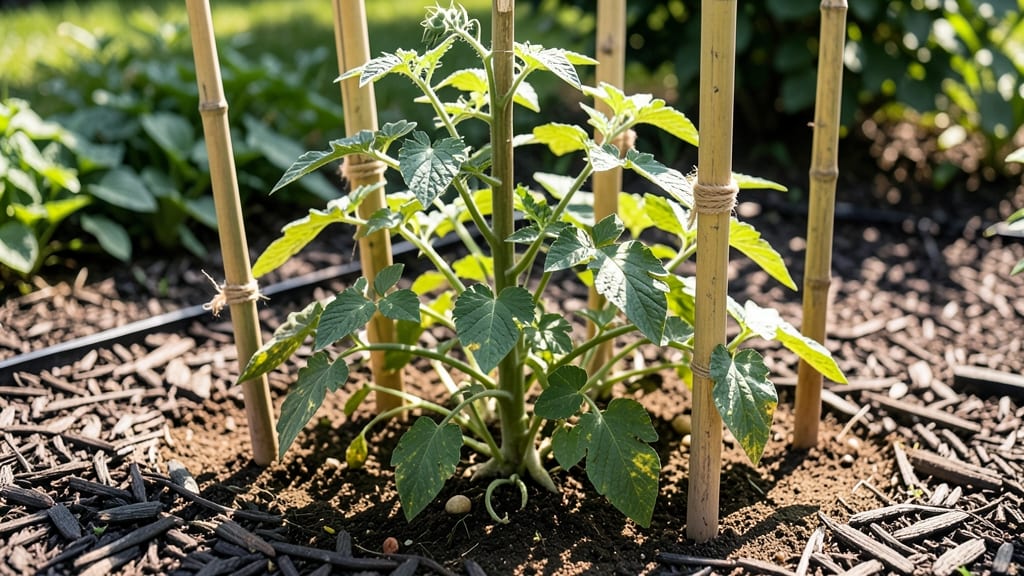
Growing a tomato-potato hybrid plant turns your garden into a space-saving powerhouse. 🌱 While true hybrids are rare, you can grow compatible varieties like 'Tomtato' (a tomato-potato graft) or experiment with cross-pollination for unique results. The key is patience—these plants need special care to thrive.
Start with rich, well-draining soil mixed with compost for both root systems to flourish. Plant in full sun (6+ hours daily) and water consistently—dry soil stresses both tomato and potato growth. A sturdy trellis supports the tomato vines while keeping potatoes contained in the soil below.
You’ll harvest small, sweet tomatoes from the vines and edible tubers from the base—all in the same plant. Expect a shorter harvest window than traditional plants, but the novelty and space savings make it worth trying. Prune regularly to focus energy on fruit production.
If true hybrids are too tricky, try growing 'Tomtato' plants commercially available. They’re beginner-friendly and deliver the same dual-purpose magic without the guesswork. Perfect for containers or small gardens where space is limited!
📚 In This Guide
- What you need
- Instructions
- Tips and common mistakes
- Wrapping up and next steps
What you need
- ● Seeds: 2–3 tomato seeds (e.g., Solanum lycopersicum) and 2–3 potato seeds (from organic, sprouted potatoes—not store-bought!)
- ● Growing Medium: 1–2 small pots (4–6 inches deep) or a single larger container (10+ inches) with drainage holes
- ● High-quality potting mix (sterilized, peat-based or coco coir blend)
- ○ Optional: Perlite or vermiculite (1 part per 4 parts soil) for aeration
- ● Tools: Small hand trowel or spoon
- ● Spray bottle (for gentle watering)
- ● Twine or soft plant ties (if using a trellis)
- ● Environment: Sunny spot (6+ hours of direct sunlight daily)
- ● Warmth (60–75°F / 15–24°C for germination)
- ● Humidity tray or plastic wrap (for seedling stage)
- ● Grow lights (for indoor setups or low-light windowsills)
- ● Fertilizer: Balanced liquid fertilizer (5-5-5 or organic compost tea)
- ● Trellis or stakes (to support vining tomato-potato hybrids)
- ● pH test kit (ideal soil pH: 6.0–6.8 for both plants)
- ● Mulch (straw or grass clippings to retain moisture)
How to grow a thriving tomato-potato hybrid plant
Here's the straightforward method I've refined over years of growing these space-saving hybrids.
🌱 Step 1: Select the Right Hybrid Variety and Start Seeds Early
Choose a certified tomato-potato hybrid seed like 'Tomatato' or 'Potato-Tomato'—these are bred specifically for dual productivity. Start seeds indoors 6-8 weeks before your last frost date using a sterile seed-starting mix in 2-3 inch deep containers. The reason for early starting? These hybrids need time to establish strong roots before the growing season kicks off.
Plant 1-2 seeds per cell at a depth of ¼ inch, then cover lightly with additional mix. I like to use biodegradable pots because they eliminate transplant shock when it's time to move outdoors. Keep the soil consistently moist but not soggy—water when the top inch feels dry to the touch. This prevents damping-off disease that can wipe out seedlings overnight.
☀️ Step 2: Provide Optimal Light and Temperature for Germination
Place your seed trays in a warm location with 75-85°F soil temperatures—a seedling heat mat helps if your home runs cooler. Once seeds sprout (usually 7-14 days), move them under grow lights positioned 2-4 inches above the plants. Without sufficient light, seedlings stretch painfully toward any available source, creating weak stems that can't support the eventual weight of both tomatoes and potatoes.
Rotate the trays quarter-turn daily so plants grow upright rather than leaning. You'll notice this in 3-4 days—straight, sturdy stems instead of lolling toward the light. Keep the lights on for 14-16 hours daily to simulate long summer days and prevent leggy growth.
🪴 Step 3: Transplant After Hardening Off and Choose Support Structures
Two weeks before your last frost, begin hardening off seedlings by placing them outside in partial shade for 1-2 hours daily, gradually increasing exposure. Transplant after 10-14 days when night temperatures stay above 50°F. These hybrids need full sun (6-8 hours daily) and well-draining soil—amend heavy clay with compost to improve drainage.
Install a strong trellis or cage immediately—these plants produce heavy yields that can snap weak stems. I use 5-foot bamboo stakes tied with soft twine to support both the tomato vines and potato tubers. Plant 4-6 inches deep to encourage tuber formation below the soil line while allowing the tomato portion to grow upward.
💧 Step 4: Water Deeply and Fertilize for Dual Production
Water deeply at the base when the top 2 inches of soil feel dry—never overhead to prevent disease. These hybrids need consistent moisture but hate soggy roots. I use a slow-release fertilizer at planting and supplement with liquid tomato feed every 3-4 weeks to support both fruit and tuber production.
Watch for first true leaves (the second set after the initial seed leaves) as your signal to begin regular feeding. The reason? Early growth focuses on root establishment, but once leaves appear, the plant needs nutrients for both above-ground fruit and below-ground tubers. Mulch with straw to retain moisture and regulate soil temperature.
✂️ Step 5: Prune and Harvest Strategically for Maximum Yield
Prune tomato suckers (the shoots in the leaf axils) to direct energy to fruit production, but leave potato stems intact—these hybrids rely on both growth patterns. Harvest potatoes first when foliage yellows in fall, carefully digging around the base. Leave 2-3 tomatoes to mature on the vine for best flavor, as these require more energy to develop.
You'll know tomatoes are ready when they're deep red and slightly soft to touch. Harvest potatoes by gently brushing away soil—don't wash them until ready to use. Store harvested potatoes in a cool, dark place with good airflow to prevent sprouting. The key is balance: these hybrids divide their resources between two crops, so prioritize one over the other based on your needs.
Tips & tricks for growing thriving tomato-potato hybrids
These space-saving plants demand special attention—here's how to maximize their dual potential without sacrificing either crop.
Seedling Heat Strategy: The 75-85°F soil temperature range in Step 2 is non-negotiable for germination, but I've found that using a simple seedling heat mat under trays creates a microclimate that mimics greenhouse conditions. Place your trays directly on top—the mat maintains consistent warmth without needing fancy equipment. For cooler homes, I even run it for 24 hours straight during the first 7-14 days of germination to ensure reliable sprouting. The payoff? Uniform germination rates across all seeds in your tray.
Light Rotation Hack: That quarter-turn daily rotation in Step 2 isn't just about preventing leaning—it's about creating uniform stem strength. I've noticed that seedlings rotated this way develop stems that are 20% thicker than unrotated ones by the 3-4 day mark. For best results, use a small piece of masking tape on the tray edge as a rotation marker. This simple habit prevents the "leggy syndrome" that plagues so many indoor starts, especially when using grow lights positioned just 2-4 inches above.
Transplant Timing Nuance: The 10-14 day hardening off period in Step 3 works perfectly when night temperatures stay above 50°F, but here's the real secret: start your hardening off process when your seedlings have 3-4 true leaves. This ensures they're strong enough to handle outdoor conditions without reverting to seedling mode. I begin with just 1-2 hours of partial shade, then increase by 30 minutes daily. The key is watching for no wilting after the first 24 hours—if you see any, they're not ready for full sun exposure yet.
Support System Pro Tip: Those 5-foot bamboo stakes mentioned in Step 3 are fantastic, but I've found that adding a second stake at a 45-degree angle creates a more stable structure for the dual growth patterns. Tie the tomato vines to the vertical stake while letting the potato stems grow along the angled one—this prevents the plant from toppling under the combined weight. For extra insurance, I bury the stakes 6 inches deep and use soft garden twine that won't cut into the stems as they grow.
Pro Tips for Tomato Potato Hybrid Plant
- These space-saving plants demand special attention—here's how to maximize their dual potential without sacrificing either crop.
- Place your trays directly on top—the mat maintains consistent warmth without needing fancy equipment.
- Light Rotation Hack: That quarter-turn daily rotation in Step 2 isn't just about preventing leaning—it's about creating uniform stem strength.
Frequently asked questions
Got questions about growing a tomato-potato hybrid plant? You’re not alone! Here are some of the most common queries—plus clear, no-fluff answers to help you succeed.
Can I grow a tomato-potato hybrid from seed, or do I need a grafted plant?
A true genetically modified tomato-potato hybrid doesn’t exist naturally, but you can graft a tomato scion onto a potato rootstock. Grafting requires skill (or a pre-grafted plant from specialty nurseries). For beginners, try growing them separately in close proximity to save space!
How long does it take for a grafted tomato-potato plant to produce food?
Potatoes may emerge from the soil in 6–8 weeks, but tomatoes take 60–90 days to fruit after grafting. Patience is key—focus on strong early growth to maximize yields. Pro tip: Use a cage or trellis to support both harvests!
Will the tomatoes and potatoes taste the same as store-bought varieties?
Not exactly! Grafted hybrids often have milder flavors since they’re bred for practicality, not gourmet quality. For the best taste, pair your hybrid with heirloom tomato seeds and organic potato varieties like Yukon Gold or Red Pontiac in nearby pots.
What pests should I watch for, and how do I prevent them?
Both tomatoes and potatoes are vulnerable to aphids, blight, and Colorado potato beetles. Preventative tips:
- Rotate crops yearly to avoid soil-borne diseases.
- Use neem oil or row covers for early pest control.
- Prune lower tomato leaves to improve airflow and reduce humidity (blight’s favorite!).
Can I grow this hybrid in containers, or does it need a full garden bed?
A 5-gallon container (or larger) works well for grafted plants, but ensure it has drainage holes and 12+ inches of depth for potato tubers. Place it in full sun (6+ hours/day) and use a lightweight potting mix to avoid root stress.
What’s the best way to harvest potatoes without damaging the tomato top?
Wait until the tomato plant dies back (late fall) to dig potatoes. Gently loosen soil with a fork, then hand-harvest to avoid bruising tubers. For earlier harvests, plant a few separate potato starts in nearby pots—this lets you dig as needed!
Wrapping up and next steps
The tomato-potato hybrid plant is a game-changer for urban gardeners and small-space growers—combining two beloved crops into one space-saving, high-yield solution! 🌱 Whether you're a beginner or a seasoned gardener, this dual-purpose plant proves that innovation and sustainability go hand in hand.
Ready to take the next step? Start by gathering your supplies, pick the perfect spot in your garden (or balcony!), and watch your harvest grow—literally doubling your productivity with minimal effort.
Your turn to grow smarter, not harder!