
Companion Plants
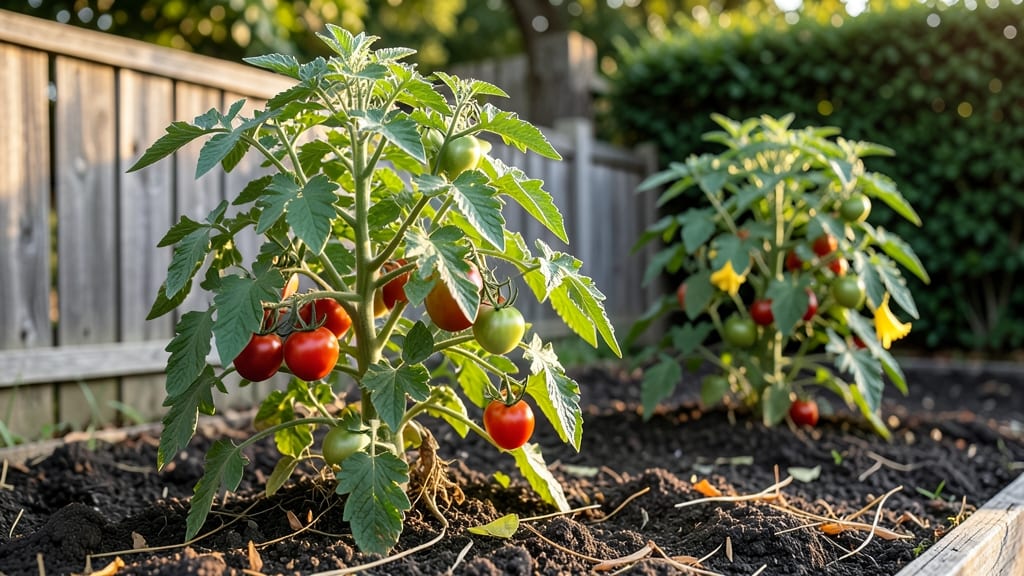
Tomato plants thrive in full sun but can tolerate partial shade with the right care—though the difference between 6 hours and 8+ hours of light determines flavor, yield, and even disease resistance.
Ever stared at your 🍅 plants wilting under a cloudy sky, wondering if they’ll ever produce? The truth is, tomatoes do need sunlight—but not always the blazing kind. Too little light slows growth, while too much shade can leave you with bitter, undersized fruit.
Here’s how to strike the balance, whether you’re growing in a sunny backyard or a shady container spot.
Most varieties crave 6-8 hours of direct sun daily, but some shade-tolerant types (like ‘Stupice’ or ‘Black Krim’) handle 4-6 hours better than others. The key? Understanding how light affects flowering, fruiting, and even soil temperature—because even partial shade can hide hidden problems like blight if you’re not careful.
In this guide, I’ll break down the science behind tomato light needs, spot the warning signs of too little sun, and share practical tricks to maximize yields—even in less-than-ideal spots. No more guessing whether your plants are getting enough light.
 Best Window Placement
How much sun do tomato plants really need for optimal growth?
Tomatoes are sun-lovers, but not all varieties have the same sunlight requirements. While most need 6-8 hours of direct sun daily, some can tolerate partial shade—if you know the right thresholds.
The difference between full sun and partial shade can impact everything from fruit size to flavor intensity. Let’s break down the science behind tomato photosynthesis and how to measure sunlight in your garden.
Photosynthesis in tomatoes peaks when plants receive full sunlight exposure (6+ hours). Below 4 hours of sun, flowering and fruiting slow dramatically. Indeterminate varieties (like 'Sungold') need more light to support their vining growth, while determinate types (like 'Roma') can handle slightly less.
Even a few hours of shade can reduce lycopene production, the compound that gives tomatoes their rich color and antioxidant benefits.
Here’s how to measure sunlight in your garden: Use a sunlight tracker or observe your space for a week. Mark the sunniest spots—these are ideal for tomatoes.
North-facing areas get the least sun, while south-facing spots (in the Northern Hemisphere) are prime. Dappled shade from trees can still work, but avoid deep shade where leaves stay pale green.
| Tomato Type | Sunlight Needs | Fruiting Impact | Notes |
|---|---|---|---|
| Indeterminate (e.g., 'Sungold', 'Brandywine') | 6-8+ hours | Max yield, best flavor | Needs stakes/cages; prune for airflow |
| Determinate (e.g., 'Roma', 'Celebrity') | 5-7 hours | Good yield, compact growth | Bushy; harvest all at once |
| Cherry (e.g., 'Sweet 100', 'Tiny Tim') | 6+ hours | High yield, small fruit | Prune for cluster production |
| Shade-Tolerant (e.g., 'Stupice', 'Black Krim') | 4-6 hours | Lower yield, unique flavors | Best for containers or north gardens |
If your garden only gets 4-5 hours of sun, focus on shade-tolerant varieties like 'Stupice' or 'Black Krim'. These handle partial shade better but still need bright indirect light.
For full sun spots, prioritize indeterminate types—they’ll reward you with continuous fruiting all season. Even in ideal conditions, watch for sunburn (white patches on fruit) during heatwaves.
Container-grown tomatoes need extra attention. 5-gallon pots require daily sun exposure because roots can’t access deep moisture. Move containers to follow the sun’s arc if your space is limited. Reflective surfaces like white walls or mulch can bounce extra light onto leaves, boosting photosynthesis by up to 20%.
Test this by placing a tomato near a light-colored fence—you’ll often see faster growth.
Signs your tomatoes aren’t getting enough sun include long, leggy stems, small leaves, and few flowers.
If you notice these, try moving the plant to a sunnier spot or supplement with a grow light for 4-6 hours daily. Morning sun is ideal because it dries dew quickly, reducing fungal diseases like blight.
Avoid placing tomatoes in afternoon shade, as this can stress plants and stunt growth.
For maximum flavor, aim for 8+ hours of sun during peak summer months. Tomatoes grown in full sun develop higher sugar content and richer colors. If your garden is shady, consider vertical gardening—trellising indeterminate varieties upward can help leaves capture more light.
Just ensure the top third of the plant gets direct sun, as this is where most flowers and fruit form.
Pro tip: Use a digital light meter (or a free app like "Sun Surveyor") to measure foot-candles in your garden. Tomatoes thrive at 10,000+ foot-candles—anything below 5,000 will limit growth.
If your space falls short, combine shade-tolerant varieties with supplemental lighting for the best results. With the right approach, even shady spots can yield delicious tomatoes—just manage expectations for quantity.
Shade-tolerant tomato varieties that still produce flavorful fruit
Not all hope is lost if your garden only gets 4-6 hours of sun daily! While tomatoes typically crave full sun, some shade-tolerant varieties can thrive with less light while still delivering flavorful fruit.
These varieties adapt better to partial shade, making them perfect for urban balconies, north-facing gardens, or areas with afternoon shade.
When growing tomatoes in partial shade, expect smaller yields but better flavor in some cases, thanks to slower growth reducing water stress. The key is choosing determinate varieties (bush types) that mature quickly and hybrids bred for low-light tolerance.
Let’s explore the best options and how to maximize their potential in shadier spots.
For partial shade success, prioritize container growing to control soil warmth and drainage.
Use light-colored pots to reflect extra sunlight, and place them where they get the most morning sun, which is gentler than afternoon heat. Reflective surfaces like white walls or mulch can also boost light exposure by up to 30%.
When planting, focus on well-draining soil enriched with compost or aged manure to compensate for slower photosynthesis. Avoid over-fertilizing with nitrogen, as this promotes leafy growth at the expense of fruit. Instead, use a balanced fertilizer (10-10-10) to encourage flowering and fruiting in low-light conditions.
If your tomatoes still struggle, consider pruning strategically—remove lower leaves to improve airflow and redirect energy to fruit production. In extreme shade (<4 hours of sun), supplement with a grow light (LED or fluorescent) for 4-6 hours daily to mimic natural sunlight.
With the right variety and care, you’ll still enjoy a flavorful harvest even in shadier spots! 🌱