
Companion Plants
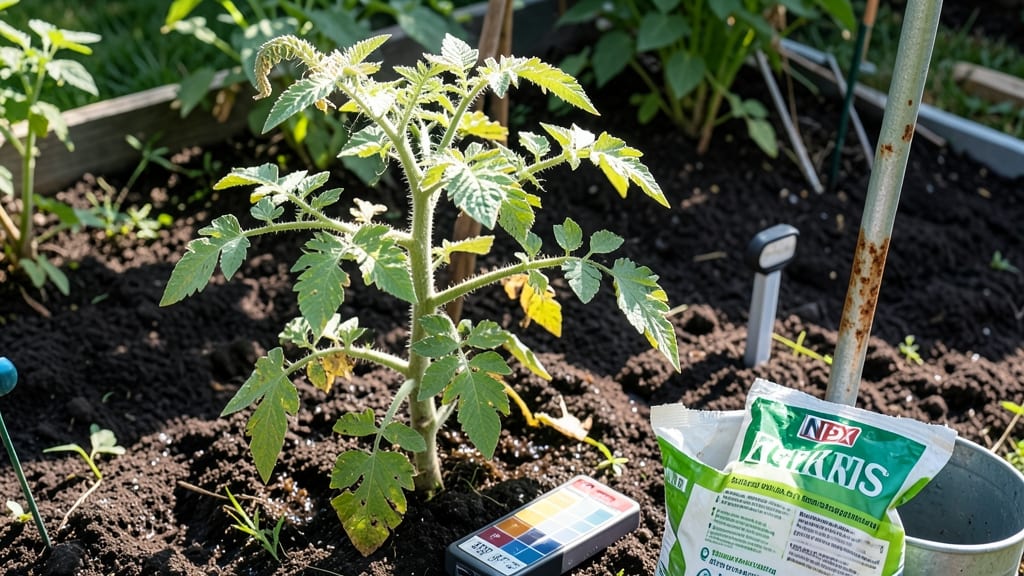
Tomato plants stop growing when something’s off—whether it’s thirst, heat stress, or hidden pests. 🌱 I’ve seen my own vines go from lush to limp overnight, and the fix is almost always simpler than it seems.
The key is spotting the clues: yellowing leaves, stunted stems, or wilting at the hottest part of the day. Most causes fall into three categories: water issues, nutrient gaps, or environmental shocks.
You can diagnose and fix the problem in 10 minutes with just a few tools you likely already have.
Here’s the thing—tomatoes are tough, but they’re not invincible.
They’ll slow down or stop growing when they’re not getting enough nitrogen (the "green" nutrient), when roots can’t breathe because the soil’s too wet or too dry, or when pests like aphids or spider mites suck the life out of new growth.
Even something as simple as a root-bound pot can stall their progress. The good news? Each of these has a quick solution, from adjusting your watering schedule to a simple fertilizer boost or a blast of water to knock off pests.
By the end of this, you’ll know exactly what’s holding your plants back—and how to get them growing strong again. Think dark green leaves, heavy fruit, and vines that climb like they’re in a race.
The fix might be as easy as moving them to a shadier spot or giving them a drink of diluted fish emulsion. No guesswork, no wasted time.
Whether you’re dealing with a single plant or an entire garden, the same principles apply. We’ll cover the most common culprits first, so you can rule out the easy fixes before diving deeper.
And if all else fails? I’ll tell you when to call in backup—because even the best gardeners need a little help sometimes.
Root Causes Behind Stunted Growth
Tomato plants may look vibrant at first, but when their growth suddenly halts, it’s often a sign of an underlying issue. Understanding the why behind this problem is the first step toward revival.
Below, we break down the most common culprits—each with a clear scientific explanation and actionable insights to help you diagnose and address the issue quickly.
Tomato plants are heavy feeders, and when they lack essential nutrients, their growth grinds to a halt. The most critical deficiencies include:
- Nitrogen (N) Deficiency – The primary driver of leafy growth, nitrogen fuels rapid expansion. Without it, plants produce small, pale leaves and stunted stems. - Signs: Yellowing lower leaves (chlorosis) while upper leaves remain green. - Fix: Apply a balanced fertilizer (10-10-10) or compost tea.
For organic growers, use blood meal or fish emulsion.
- Phosphorus (P) Deficiency – Crucial for root development and flowering, phosphorus shortages lead to weak stems and delayed fruit set.
- Signs: Dark green or purple-tinged leaves, especially on undersides.
- Fix: Use bone meal or phosphate-rich compost. Avoid over-fertilizing with nitrogen-heavy feeds.
- Potassium (K) Deficiency – Acts as a growth regulator and disease fighter. Low potassium weakens cell walls, causing stunted, brittle stems.
- Signs: Yellowing leaf edges (scorching) and weak, spindly growth.
- Fix: Apply greensand, wood ash, or a potassium sulfate supplement.
- Micronutrient Imbalances – Even tiny deficiencies in magnesium, calcium, or iron can stall growth.
- Signs: Yellowing between leaf veins (magnesium), distorted new leaves (calcium), or white leaf spots (iron).
- Fix: Use Epsom salt (magnesium sulfate) for magnesium, crushed eggshells for calcium, and chelated iron for iron deficiencies.
💡 Pro Tip: Conduct a soil test before fertilizing—overcorrecting can burn roots and worsen the problem!
Tomatoes thrive in warmth (70–85°F / 21–29°C) and struggle when conditions veer too far from this range. Extreme heat, cold, or poor airflow can trigger growth cessation.
- Cold Stress – Temperatures below 50°F (10°C) slow metabolic processes, halting growth until conditions improve.
- Signs: Wilting, dark spots on leaves, or a "frozen" appearance.
- Fix: Use row covers, move pots to a sheltered spot, or install a small greenhouse.
- Heat Stress – Above 90°F (32°C), tomatoes go into a dormant-like state, conserving energy instead of growing.
- Signs: Drooping leaves, curled or bleached foliage, and blossom drop.
- Fix: Provide afternoon shade (especially in desert climates), mulch heavily, and ensure consistent watering.
- Poor Airflow & Humidity – Stagnant air traps moisture, promoting fungal diseases (like early blight) that weaken plants.
- Signs: Grayish mold on leaves, yellowing, or blackened stems.
- Fix: Prune for better airflow, space plants 18–24 inches apart, and use a fan for circulation.
🌡️ Quick Check: If your tomatoes are wilting in the heat but perk up at night, it’s heat stress—not thirst!
Tomatoes are sensitive to moisture fluctuations, and both overwatering and underwatering can stall growth by disrupting nutrient uptake and root health.
- Underwatering – Roots dry out, limiting water and nutrient transport.
- Signs: Crispy leaf edges, wilting (even in moist soil), and stunted new growth.
- Fix: Water deeply 1–2 inches per week (check soil moisture 2 inches down—it should feel damp, not soggy).
- Overwatering – Oxygen deprivation in roots leads to root rot (Pythium or Phytophthora).
- Signs: Yellowing leaves, mushy stems, or a foul smell at the base.
- Fix: Improve drainage with perlite or sand, space plants properly, and water only when the top inch of soil is dry.
- Inconsistent Watering – Fluctuating moisture stresses plants, causing blossom end rot (calcium deficiency) and stunted fruit development.
- Fix: Use drip irrigation or soaker hoses to deliver steady moisture.
🔥 Emergency Fix: If roots are rotting, prune affected areas, repot in fresh, dry soil, and withhold water for 3–4 days to let roots recover.
Hidden invaders can sap energy from your tomatoes, leaving them too weak to grow. Common culprits include:
- Aphids, Spider Mites, or Whiteflies – These sap-sucking pests inject toxins that distort leaves and stunt growth.
- Signs: Sticky residue (honeydew), curled leaves, or tiny webs.
- Fix: Spray with neem oil or introduce ladybugs/predatory mites.
- Fungal Diseases (Early Blight, Late Blight, Powdery Mildew) – Fungi clog stomata (leaf pores), preventing gas exchange and halting photosynthesis.
- Signs: Brown spots with yellow halos (early blight), white powdery coating (mildew).
- Fix: Remove infected leaves, apply copper fungicide, and improve airflow.
- Root-Knot Nematodes – Microscopic worms damage roots, reducing water/nutrient absorption.
- Signs: Gnarled, stunted roots; wilting despite moist soil.
- Fix: Solarize soil (cover with clear plastic for 4–6 weeks) or plant marigolds (natural nematode repellent).
🛡️ Prevention Tip: Rotate crops—never plant tomatoes in the same spot yearly to break disease cycles!
Even well-cared-for tomatoes can stall if they’ve experienced mechanical stress or improper handling.
- Root Damage During Transplanting – Circling roots or broken stems limit nutrient flow.
- Signs: Slow recovery after transplanting, yellowing leaves, or no new growth for weeks.
- Fix: Prune roots before transplanting (trim long roots by 1/3) and bury stems deeper to encourage new root growth.
- Over-Pruning or Rough Handling – Aggressive pruning removes too much foliage, reducing energy for growth.
- Fix: Prune selectively—remove only diseased or crossing branches, leaving 6–8 main stems.
- Competition from Weeds – Weeds steal nutrients and water, leaving tomatoes malnourished.
- Fix: Mulch heavily (straw or grass clippings) and hand-pull weeds weekly.
🔪 Golden Rule: When pruning, never remove more than 20% of the plant’s foliage at once—it shocks the system!
Revive Your Stalled Tomato Plants
When your tomato plants hit a growth standstill, the good news is that most issues have simple, actionable fixes.
Below, we’ve mapped the most common causes to proven solutions—so you can get those vines climbing and fruiting again in no time. Prevention tips are included to keep your plants thriving long-term.
Signs: Yellowing leaves, stunted growth, weak stems, or slow recovery after pruning.
How to Fix It: 🔥 Test Your Soil – Grab a soil test kit (or send a sample to your local extension office) to check pH and nutrient levels. Tomatoes thrive in slightly acidic soil (6.0–6.8 pH).
🍳 Amend the Soil – If the soil is compacted or nutrient-poor, mix in:
- 2–3 inches of compost (for organic matter)
- A balanced fertilizer (10-10-10 or 5-5-5) at half-strength (too much nitrogen = leafy growth, no fruit!)
- A handful of bone meal (for phosphorus, which boosts root and flower development)
👨🍳 Fertilize Smartly – Once plants are established (after 4–6 weeks), switch to a low-nitrogen, high-phosphorus fertilizer (like 3-4-6) every 2–3 weeks during fruiting.
💡 Pro Tip: Avoid fresh manure—it can burn roots! Compost it first or use well-aged manure.
Signs: Wilting, crispy leaf edges, or mushy stems; soil pulls away from pot edges (underwatered) or stays soggy (overwatered).
How to Fix It: 🔥 Check the Soil Moisture – Stick your finger 1–2 inches deep. If dry, it’s time to water; if soggy, hold off.
🍳 Water Deeply & Consistently – Tomatoes need 1–2 inches of water per week (more in heatwaves). Use:
- Drip irrigation (best for even moisture)
- Soaker hoses (prevents fungal diseases from overhead watering)
- Morning watering (allows foliage to dry before night)
👨🍳 Adjust Your Routine –
- Underwatered? Water slowly until it drains from the bottom. Mulch with straw to retain moisture.
- Overwatered? Let the top 2–3 inches dry out before watering again. Improve drainage with perlite or sand if planting in containers.
✨ Prevention: Use a moisture meter or self-watering pots for peace of mind.
Signs: Drooping leaves, sunburnt blotches (white/yellow patches), or slow growth despite proper watering.
How to Fix It: 🔥 Shade from Scorching Sun – If temps hit 90°F+ (32°C+), provide 30–50% shade with:
- Floating row covers (breathable fabric)
- Shade cloth (secured 2–3 feet above plants)
- Drip irrigation + mulch (keeps roots cool)
🍳 Protect from Cold Snaps – Tomatoes won’t survive below 50°F (10°C). Use:
- Row covers (remove during the day in warm weather)
- Black plastic mulch (absorbs heat)
- Cloche or cold frame for young plants
👨🍳 Boost Heat Tolerance –
- Prune lower leaves to improve airflow and reduce heat stress.
- Use reflective mulch (aluminum foil or white plastic) to deflect sunlight.
🌡️ Pro Tip: If flowers appear but drop off (a common heat stress symptom), hand-pollinate with a small brush to help fruit set.
Signs: Chewed leaves, holes, wilting, spots, or sticky residue (honeydew).
How to Fix It: 🔥 Identify the Culprit – Common tomato pests/diseases:
- Aphids, spider mites (tiny webs, curled leaves)
- Hornworms (large green caterpillars, missing leaves)
- Fungal diseases (powdery mildew, blight—gray/white spots)
🍳 Treat Naturally First –
- Pests: Spray with neem oil (1 tbsp + 1 tsp mild soap per gallon of water) or introduce ladybugs/praying mantises.
- Diseases: Remove infected leaves immediately and apply copper fungicide or baking soda spray (1 tsp baking soda + 1 quart water + a drop of oil).
👨🍳 Prevent Future Infestations –
- Rotate crops (don’t plant tomatoes in the same spot yearly).
- Plant companion herbs (basil, marigolds, or nasturtiums repel pests).
- Water at the base (avoids fungal spores splashing onto leaves).
🎯 Pro Tip: Coffee grounds (sprinkled around the base) deter slugs and add nitrogen!
Signs: Roots circling the pot, slow growth despite good care, or plants toppling over.
How to Fix It: 🔥 Check Root Health – Gently remove the plant from its pot. If roots are tightly coiled or poking out the drainage holes, it’s time to upgrade.
🍳 Repot or Transplant –
- Choose a container 2–3 inches larger (tomatoes hate being root-bound).
- Use well-draining soil (mix potting soil with perlite or vermiculite).
- Trim circling roots before replanting to encourage outward growth.
👨🍳 Boost Growth After Repotting –
- Hold off on fertilizing for 1–2 weeks (roots need time to adjust).
- Stake or cage the plant immediately to support new growth.
✨ Prevention: Repot every 1–2 years or when roots fill the container.
Final Thought: Most stalled tomato plants recover quickly with the right care—soil, water, and protection are your best tools. Try one fix at a time, monitor progress, and soon you’ll be harvesting juicy tomatoes like a pro! 🍅🔥
Frequently asked questions
Why do my tomato plants stop growing suddenly even when they look healthy?
Sudden growth stops often signals hidden stress like root-bound pots, nutrient lockout (too much salt from fertilizer), or heat stress. Check for roots circling the pot or white crust on soil surface (salt buildup). Most plants bounce back within 3-5 days once the issue is fixed—just repot or flush soil with water.
Can over-fertilizing actually stop tomato growth?
Too much fertilizer—especially nitrogen—burns roots and causes nutrient lockout. You'll see yellowing leaves but no new growth. The fix? Flush the soil with water for 10 minutes, then switch to a low-nitrogen fertilizer (like 3-4-6) at half strength. Most plants recover within 1-2 weeks.
How do I tell if my tomato plants stopped growing from heat or thirst?
Heat stress causes drooping leaves that perk up at night, while thirst shows crispy leaf edges and soil pulling away from pot edges. For heat: provide afternoon shade. For thirst: water until it drains from the bottom, then mulch heavily. Both issues can be diagnosed by checking soil moisture 2 inches down—it should feel damp.
Will pruning help my tomato plants grow again if they've stopped?
Pruning alone won't fix underlying problems, but it can help redirect energy. Remove only diseased or crossing branches—never more than 20% of foliage at once. Focus first on fixing water, nutrients, or pests. Prune only after your plants show 2-3 days of consistent growth to avoid shocking them further.
When should I consider professional help for my stalled tomato plants?
Call in backup if you suspect root rot (mushy stems, foul smell), severe nematode infestation (gnarled roots), or systemic disease (like bacterial wilt). For containers, check roots every 2 weeks—if 50%+ are rotting, repot immediately. For garden beds, consult your local extension office for soil tests and targeted treatments.