
Companion Plants
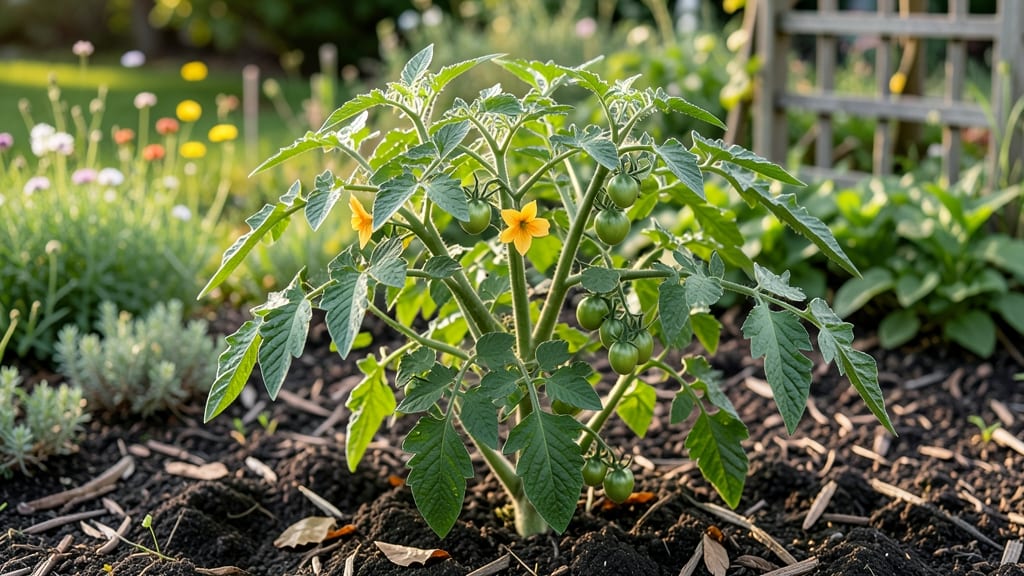
Growing tomato plants in flower pots means fresh vine-ripened tomatoes from your balcony—no backyard required. 🌱 I’ve watched my patio tomatoes go from sad seedlings to producing pounds of fruit in just three months, and I’ll show you how to do it too, even with limited space.
The trick isn’t fancy equipment—it’s picking the right 5-gallon pots (or larger), a lightweight potting mix, and a sunny spot. Most people overlook drainage or soil depth, which leads to weak plants and poor yields.
But once you nail these basics, you’ll be harvesting tomatoes that taste better than anything from the store. By midsummer, your plants will be heavy with fruit, and you’ll never need to buy tomatoes again. The smell of ripe tomatoes in the air is worth every minute of care.
You’ll also learn which varieties thrive in containers—like ‘Tiny Tim’ or ‘Patio’—and how to keep them productive all season. This works for tiny balconies, fire escapes, or even sunny windowsills. Let’s get those pots planted and start growing!
📚 In This Guide
- What you need
- Instructions
- Tips and common mistakes
- Wrapping up and next steps
What you need
- ● Flower pots: 5–10 gallon containers (at least 12–18 inches deep) with drainage holes. Pro tip: Terracotta or fabric pots work best! 💡
- ● Potting mix: Lightweight, well-draining soil mix (avoid garden soil). Look for a blend labeled for vegetables or container gardening.
- ● Tomato seedlings: 1–2 disease-resistant varieties (e.g., 'Balcony Red,' 'Tiny Tim,' or 'Patio'). Check local nurseries for healthy starts! 🌱
- ● Support system: Cages, stakes, or trellises (for indeterminate varieties). Bamboo stakes or spiral ties work great!
- ● Fertilizer: Balanced, slow-release granules (10-10-10) or organic options like compost or worm castings.
- ● Gloves & trowel – For planting and soil prep.
- ● Watering can or hose with gentle nozzle – Avoid overwatering!
- ○ Mulch (optional) – Straw or shredded leaves to retain moisture.
- ○ Pruning shears (optional) – For trimming suckers or dead leaves.
- ○ Sunlight tracker (optional) – Ensure 6–8 hours of direct sun daily.
Step-by-step instructions for growing tomatoes in flower pots
Here’s how to turn your balcony into a productive tomato patch—no yard needed.
🪴 Step 1: Select the Right Pots and Drainage
Choose 5-gallon or larger flower pots for each tomato plant—at least 12 inches deep—to accommodate strong root systems. I prefer terracotta because it breathes, but any sturdy container with drainage holes works. If your pots lack holes, drill at least 3 near the bottom to prevent root rot. Place a 1-inch layer of gravel or broken pottery in the bottom first—this keeps soil from clogging the holes while allowing excess water to escape.
Here’s the thing—size matters more than aesthetics. A 5-gallon pot supports a full-sized plant, while smaller pots stunt growth. If you’re growing dwarf varieties, 3-gallon pots work, but expect smaller yields. Position pots where they won’t be disturbed by wind or foot traffic—tomatoes hate being jostled once they’re flowering.
🌱 Step 2: Prepare Soil and Plant Your Seedlings
Fill pots with a lightweight, well-draining potting mix—never garden soil. I blend equal parts potting mix and compost to give roots both structure and nutrients. Leave 1 inch of space at the top for watering. Gently remove your tomato seedlings from their nursery pots, loosen the roots if they’re tangled, and place them in the center of the pot. The stem should sit just below the soil line—burying too deep causes rot, while planting too high weakens the plant.
Press the soil lightly around the roots to eliminate air pockets, then water deeply until it drains from the bottom. You’ll know it’s right when the surface feels damp but not soggy. This first watering settles the soil and helps roots make contact with the mix. Skip fertilizing for 10 days—new roots need time to establish before they can handle nutrients.
☀️ Step 3: Position for Maximum Sun and Support
Tomatoes need 6-8 hours of direct sun daily, so place pots in the sunnest spot—south or west-facing is ideal. If your balcony gets afternoon shade, supplement with a grow light for 4-6 hours to prevent leggy growth. I use bamboo stakes or cages inserted at planting to support vines as they grow. Secure the plant to the stake with soft ties (old T-shirts work great) to avoid damaging stems.
Watch for yellowing leaves—this usually means too much shade or overwatering. Adjust by moving pots closer to the sun or letting the top 1 inch of soil dry out between waterings. Mulch the soil surface with straw or shredded leaves to retain moisture and keep roots cool. This step prevents soil from drying out too quickly, which is especially critical in hot afternoons.
💧 Step 4: Water and Fertilize for Continuous Harvests
Water deeply 2-3 times per week, aiming for 1-2 gallons per pot—enough to moisten the entire root zone. Avoid wetting leaves to prevent disease. I water in the early morning so foliage dries quickly. When flowers appear, switch to a balanced liquid fertilizer (like 10-10-10) every 2 weeks to encourage fruiting. You’ll notice bigger blooms and heavier tomatoes within a month of consistent feeding.
Here’s where it gets fun—prune suckers (the tiny shoots in the leaf axils) to direct energy into fruit production. Pinch them off with your fingers when they’re no bigger than a pencil eraser. This might seem counterintuitive, but it prevents overcrowding and helps air circulate, reducing disease risk. Harvest tomatoes when they’re fully colored and slightly soft to the touch—this ensures peak flavor and encourages more production.
✂️ Step 5: Maintain and Troubleshoot Through the Season
Check pots weekly for pests like aphids or whiteflies. Spray affected areas with neem oil or insecticidal soap at dusk for best results. If leaves curl or yellow, it’s often underwatering—stick your finger 2 inches into the soil. If it’s dry, water immediately. Overwatering causes brown edges on leaves, so always let the top inch dry between sessions.
As tomatoes ripen, prune lower leaves to improve airflow and reduce disease. This might seem harsh, but it keeps the plant’s energy focused on the fruit. By late summer, you’ll have a steady stream of ripe tomatoes—just keep harvesting to prompt more production. When the first frost threatens, bring pots indoors or harvest remaining fruit before it spoils. With the right care, your balcony tomatoes can keep producing until October or November in most climates.
Tips & tricks for balcony tomato success
Balcony gardening can be just as productive as a traditional garden—you just need to know the tricks. These insights will help you maximize your tomato harvest in containers.
Container Size Matters: The 5-gallon pot recommendation isn't arbitrary—it's the minimum for full-sized tomato plants to thrive. If you're growing indeterminate varieties (the ones that keep growing all season), you might need even larger pots (up to 7 gallons). For dwarf varieties, 3-gallon pots work, but they'll produce smaller fruit. Remember, deeper pots prevent root binding, which can stunt your plant's growth and reduce yields.
Soil Mix Secrets: When blending equal parts potting mix and compost, don't skimp on the compost quality. Well-aged compost provides nutrients without burning young roots. I've found that adding a handful of perlite to this mix improves drainage even further, especially in hot weather. This prevents the dreaded "soggy bottom" that can lead to root rot. The 10-day wait before fertilizing is crucial—it gives roots time to establish before they can process nutrients.
Sunlight Strategy: Those 6-8 hours of direct sunlight are non-negotiable, but here's the thing about balconies: morning sun is gentler than afternoon sun. If your space gets intense afternoon heat, consider moving pots to a slightly shaded spot during peak hours (1-4 PM). For shade situations, the 4-6 hours of grow light supplementation can make all the difference between leggy plants and healthy growth. I've seen dramatic improvements in plant structure when using full-spectrum LED grow lights just 6-12 inches above the plants.
Watering Wisdom: The 1-2 gallons per pot recommendation might seem like a lot, but it's essential for container gardening. Water should run through the drainage holes until it appears at the bottom—this ensures complete saturation of the root zone. I've learned that watering in the early morning gives foliage plenty of time to dry before evening, reducing disease risk. For the 2-3 times per week schedule, adjust based on weather: more in summer heat, less in cooler months. Always check the top inch of soil before watering—it should be dry to the touch.
Pro Tips for Tomato Plants In Flower Pots
- Balcony gardening can be just as productive as a traditional garden—you just need to know the tricks.
- Container Size Matters: The 5-gallon pot recommendation isn't arbitrary—it's the minimum for full-sized tomato plants to thrive.
- Soil Mix Secrets: When blending equal parts potting mix and compost, don't skimp on the compost quality.
Frequently asked questions
Got questions about growing tomato plants in flower pots? You’re not alone! Here are answers to the most common queries to help you cultivate a thriving balcony harvest—no green thumb required.
What’s the best type of tomato plant for flower pots?
Opt for determinate varieties like ‘Tiny Tim’ or ‘Patio Princess’—they’re compact, bushy, and perfect for containers. Indeterminate types (e.g., ‘Sungold’) need staking but can thrive too if given enough space (at least 12–18 inches wide/deep). Avoid sprawling heirlooms unless you’re using a large pot or trellis!
How long does it take for tomato plants in pots to produce fruit?
With proper care, expect flowers in 6–8 weeks after transplanting (from seed or seedling) and ripe tomatoes in 8–12 weeks. Containers can speed up growth slightly due to warmer soil, but consistent watering and sunlight are key! Patience pays off—early blooms may drop, but don’t fret; keep nurturing.
Why are my potted tomato flowers falling off?
This is called blossom drop, often caused by temperature swings (below 55°F/13°C or above 90°F/32°C), overwatering, or nutrient stress. Solutions: Move pots to a sheltered spot, water deeply but less frequently, and fertilize with a low-nitrogen tomato feed (like 5-10-10) when flowers appear.
Can I grow tomatoes in pots on a balcony with no sun?
Tomatoes need at least 6–8 hours of direct sunlight daily. If your balcony is shady, try sun-loving alternatives like peppers, bush beans, or cherry basil. For tomatoes, use a south-facing spot or supplement with a grow light (12–14 hours/day) for 2–3 months to coax fruit.
What’s the easiest way to support tall tomato plants in pots?
Use a sturdy cage (like a 5-foot tomato tower) or a bamboo stake tied with soft plant ties. For indeterminate varieties, a trellis or overhead string system works too—just secure the main stem and prune suckers (side shoots) to encourage upward growth. Pro tip: Harvest regularly to prevent top-heavy plants from toppling!
Can I reuse last year’s potted tomato soil?
Not ideal! Old soil may lack nutrients or harbor disease pathogens. Refresh with 50% new potting mix (add compost or worm castings) and sterilize containers by soaking in a 1:10 bleach-water solution (rinse well). Or repurpose pots for non-edible plants (like herbs or flowers) to avoid cross-contamination.
Wrapping up and next steps
Growing tomato plants in flower pots is a rewarding way to enjoy fresh, homegrown produce—even in the smallest of spaces! 🌱 With the right container, soil, and care, you’ll soon be savoring sun-ripened tomatoes straight from your balcony.
Whether you’re a beginner or a seasoned green thumb, this method proves that zero garden space doesn’t mean zero harvest.
Now that you’re armed with tips and answers, why not plant your first pot today? Start small, experiment with varieties, and watch your balcony transform into a thriving mini-farm. Happy growing—your future tomato sandwiches are waiting! 🍅😋