
How To
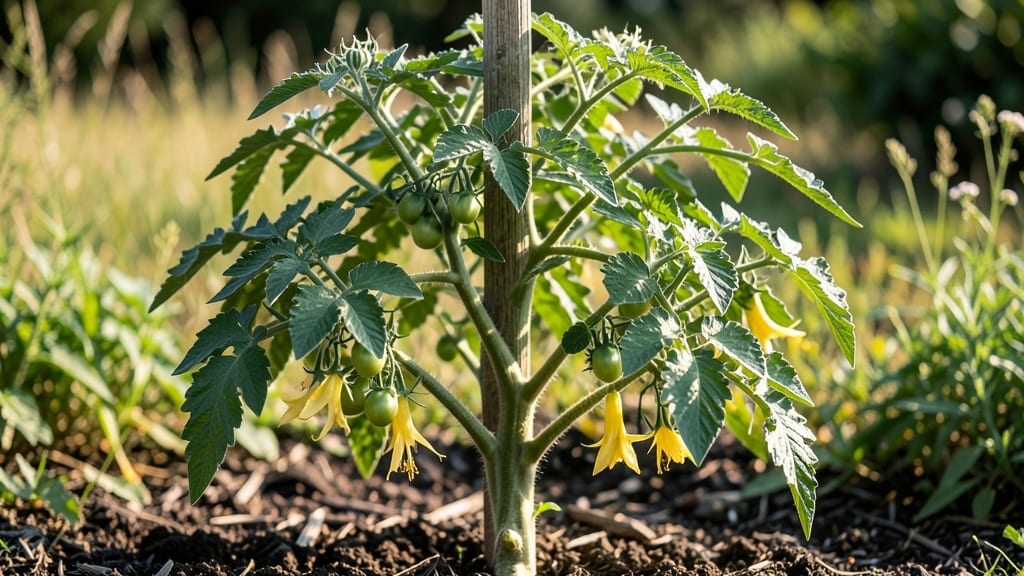
A tomato plant grows to how tall does a tomato plant grow heights that can range from 1 foot to over 10 feet, depending on the variety and how you care for it 🍅.
If you've ever stared at a sprawling vine or a compact bush and wondered how to plan your garden space, you're not alone.
Some varieties stay neatly contained at 3-5 feet, perfect for small patios or containers, while others climb like jungle vines, reaching 6-12 feet without proper support. The difference isn't just about aesthetics—it affects your harvest, staking needs, and even how much fruit you can grow in a given space.
In this guide, we’ll break down the height ranges of determinate (bush) vs. indeterminate (vining) tomatoes, plus the best ways to manage their growth—whether you’re working with limited space or dreaming of a towering tomato trellis.
You’ll learn which varieties stay short, how pruning affects height, and the space-saving tricks that work for balconies, raised beds, and even windowsills. Let’s get growing!


Tomato plant height by variety: Determinate vs indeterminate growth patterns
Choosing the right tomato variety isn’t just about flavor—it’s about space planning. Determinate tomatoes stay compact (3-5 ft tall), making them perfect for small gardens or containers, while indeterminate varieties can climb 6-12+ feet without pruning.
This growth difference affects everything from trellising needs to harvest timing. Let’s break down the heights of popular varieties so you can pick the best fit for your space.
Determinate tomatoes grow to a predictable height and produce fruit all at once, ideal for heirloom varieties like Brandywine or Roma. Indeterminate types, like Sungold cherry tomatoes, keep growing and fruiting until frost. Knowing these patterns helps you maximize vertical space or contain sprawl in tight areas.
| Variety | Growth Type | Mature Height | Best For | Space-Saving Tip |
|---|---|---|---|---|
| Cherry Tomato 'Sungold' | Indeterminate | 6-10 ft | Vertical gardens, trellises | Use a strong trellis or cage to contain vines. |
| Beefsteak 'Brandywine' | Indeterminate | 8-12 ft | Large gardens, fences | Prune suckers to control sprawl and improve airflow. |
| Roma 'Plum' | Determinate | 3-4 ft | Containers, small plots | Plant in 5-gallon pots with stakes for support. |
| Celebrity (Hybrid) | Determinate | 3-5 ft | Balconies, raised beds | Use bush cages to save space. |
| Tiny Tim (Dwarf) | Determinate | 1-2 ft | Windowsills, patio pots | Ideal for hanging baskets or small containers. |
| Sweet 100 (Cherry) | Indeterminate | 4-6 ft | Trellises, fences | Train vines upward to free up ground space. |
| Early Girl (Hybrid) | Indeterminate | 5-7 ft | Early harvests, vertical space | Use a strong bamboo trellis for support. |
| Patio (Bush) | Determinate | 2-3 ft | Containers, decks | Perfect for 5-gallon buckets with stakes. |
| Black Krim | Indeterminate | 6-10 ft | Heirloom gardens, trellises | Prune aggressively to manage height. |
| Stupice (Dwarf) | Determinate | 2-3 ft | Small spaces, containers | Grows well in hanging pots or window boxes. |
For small gardens, determinate varieties like 'Patio' or 'Tiny Tim' thrive in containers under 3 feet tall. These bush tomatoes produce fruit quickly and don’t require pruning, making them ideal for balconies or patios. Indeterminate types,
How to control tomato plant height: pruning, trellising, and support techniques
Managing your tomato plant's height isn't just about tidying up your garden—it directly impacts fruit production, air circulation, and disease prevention. Indeterminate varieties can reach 8-12 feet without intervention, while determinate types stay neatly contained.
The key is understanding when to prune, what support to use, and how to train vines for maximum yield in minimal space.
For indeterminate tomatoes, regular pruning encourages stronger stems and better fruit quality.
I recommend starting when plants hit 18-24 inches tall—this is when they develop their first flower clusters. Determinate varieties, on the other hand, rarely need pruning beyond removing suckers (those little shoots in leaf axils) to improve airflow. Let's break down the exact techniques you'll need.
Step-by-Step Height Control Guide
- 1 Assess your variety: Indeterminate (e.g., 'Sungold') needs pruning; determinate (e.g., 'Celebrity') rarely does. Check seed packets for growth habits.
- 2 Install support early: Use bamboo stakes (cheap, flexible) for small plants or metal cages (durable) for heavy producers. Drive stakes 6-8 inches deep for stability.
- 3 Prune indeterminate types: Remove suckers (shoots in leaf axils) when they're 2-4 inches long. Use clean bypass pruners to avoid damaging stems. Leave 1-2 leaves above pruning points.
- 4 Train vines upward: Tie main stems to supports with soft plant ties every 12-18 inches. For heavy fruit loads, add horizontal trellis wires at 12-inch intervals.
- 5 Top indeterminate plants: Once plants reach your desired height (typically 5-6 feet), pinch off the top growth to redirect energy to fruit production. Use sterilized scissors for clean cuts.
- 6 Monitor for disease: Prune any yellow leaves or blighted stems immediately. Remove diseased foliage 12+ inches from plant to prevent spread. Sterilize tools with rubbing alcohol between cuts.
When choosing support systems, consider your space and variety. Bamboo stakes work well for single plants in gardens, while metal cages (like those from GrowGuard) are ideal for heavy producers like 'Brandywine' tomatoes.
For container growing, opt for freestanding trellis towers that can handle 20+ pounds of fruit. Remember, proper support reduces stem breakage by up to 70% during heavy harvests.
Timing is everything with tomato pruning. I always prune on cloudy mornings to reduce stress on the plant. Avoid pruning during peak sunlight hours (10 AM - 4 PM), as this can shock the plant and attract pests.
For determinate varieties, minimal pruning is key—focus on removing only diseased leaves or overcrowded branches to maintain that compact shape.
One common mistake I see is over-pruning indeterminate tomatoes, which can reduce yield. Aim to keep 3-5 main stems for optimal fruit production. Also, never remove more than 25% of the foliage at once, as this can stress the plant and attract pests like hornworms.
With these techniques, you'll keep your tomato plants at your desired height while maximizing your harvest potential.
🌱