
Planting
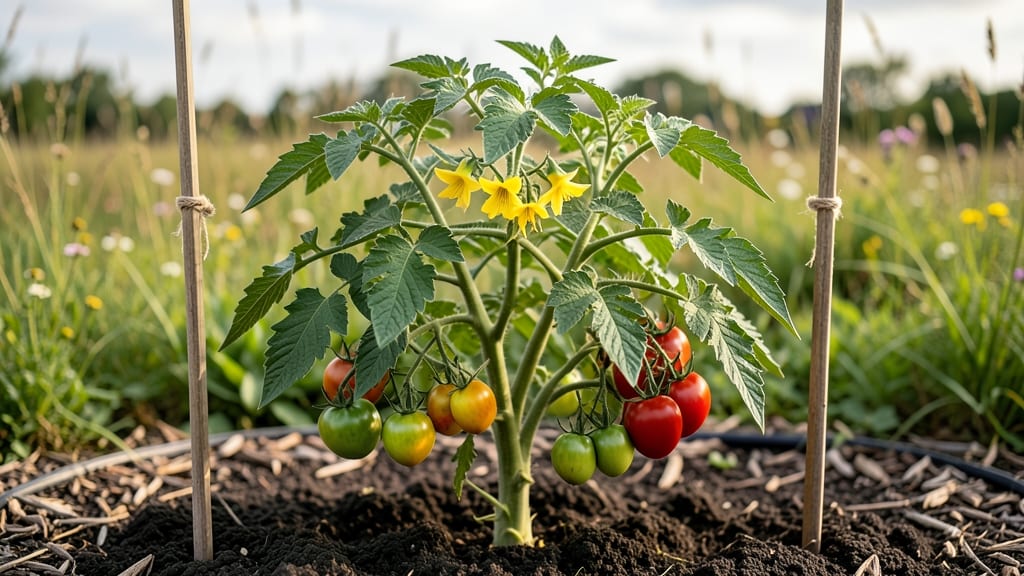
A strong tomato plant smell—whether skunky, rotten, or overly sweet—usually points to underlying problems like overwatering, fungal diseases, or pest infestations. While some natural scents appear during flowering, foul odors often indicate stress that can reduce fruit quality or even kill the plant.
When your tomato plants start emitting unusual odors, it’s often your garden’s way of screaming for help. 🌱 Overwatered soil creates that classic "rotten egg" stench from hydrogen sulfide, while fungal infections like early blight produce a musty, skunk-like aroma.
Even pests like aphids or spider mites trigger defensive chemical releases that smell sharp and unpleasant. The key is acting fast—proper drainage, targeted fungicides, and regular inspections can turn things around before the smell becomes a sign of irreversible damage.
But here’s the good news: not all tomato smells are bad. Healthy plants sometimes release natural VOCs during flowering or fruit ripening, which can smell slightly sweet or herbal. The difference? These scents are mild and temporary, while stress-related odors grow stronger over time.
I always recommend checking both the leaves and soil first—yellowing foliage or mushy stems are dead giveaways that something’s seriously wrong.
💡 In This Article
- Common Causes of Tomato Plant Odors and Their Impact
- How to Diagnose and Fix Smelly Tomato Plants
Common causes of tomato plant odors and their impact
The most common culprit behind that skunk-like or rotten smell is early blight, a fungal disease caused by Alternaria solani. This pathogen thrives in warm, humid conditions and produces volatile organic compounds (VOCs) that create a distinct musty aroma.
When the fungus infects leaves, it forms dark concentric rings—these lesions release geosmin, the same compound that gives soil its earthy scent, but in tomato plants, it becomes overwhelmingly pungent. 🌱
Overwatering triggers another foul odor through hydrogen sulfide production. When soil stays saturated, anaerobic bacteria in the roots break down organic matter, releasing this rotten-egg gas. The smell intensifies when roots suffocate, leading to root rot—a condition where stems turn black at the base and foliage wilts.
What's worse? This stress forces the plant to divert energy from fruit production, resulting in smaller, misshapen tomatoes with poor flavor. A soil moisture test (stick your finger 2 inches deep—if it's damp, hold off on watering) can prevent this before it starts.
Pests like aphids and spider mites also trigger defensive chemical releases that smell sharp and unpleasant. When these insects feed on plant sap, they disrupt the tomato's natural VOC production, causing it to emit green leaf volatiles (GLVs) as a distress signal.
These compounds smell like freshly cut grass but can develop into a more pungent, almost medicinal aroma if the infestation spreads. The key difference? Pest-related smells appear suddenly and are often localized to specific leaves or stems.
Natural VOCs during flowering or fruit ripening smell entirely different—think sweet, slightly floral, or even fruity. These compounds, like hexanal and β-damascenone, are part of the plant's reproductive process and help attract pollinators. The scent is subtle and fades quickly, unlike stress-induced odors that linger and worsen.
For example, a healthy tomato plant might release a faint apple-like aroma during flowering, while a stressed plant emits a skunky stench that repels pollinators and reduces fruit set.
Here’s what each smell means for your harvest:
- Skunky/musty: Fungal infection (early blight, late blight) – 20-30% yield loss if untreated
- Rotten-egg: Overwatering/root rot – 50%+ fruit quality decline
- Sharp/medicinal: Pest infestation – Reduced pollination, stunted growth
- Sweet/herbal: Natural VOCs – Normal, no action needed
The worst-case scenario? A combination of these factors—like overwatered plants with fungal infections—can create a toxic cocktail of odors that not only harm the plant but also make the fruit inedible. That’s why early intervention is critical. 💥