
How To
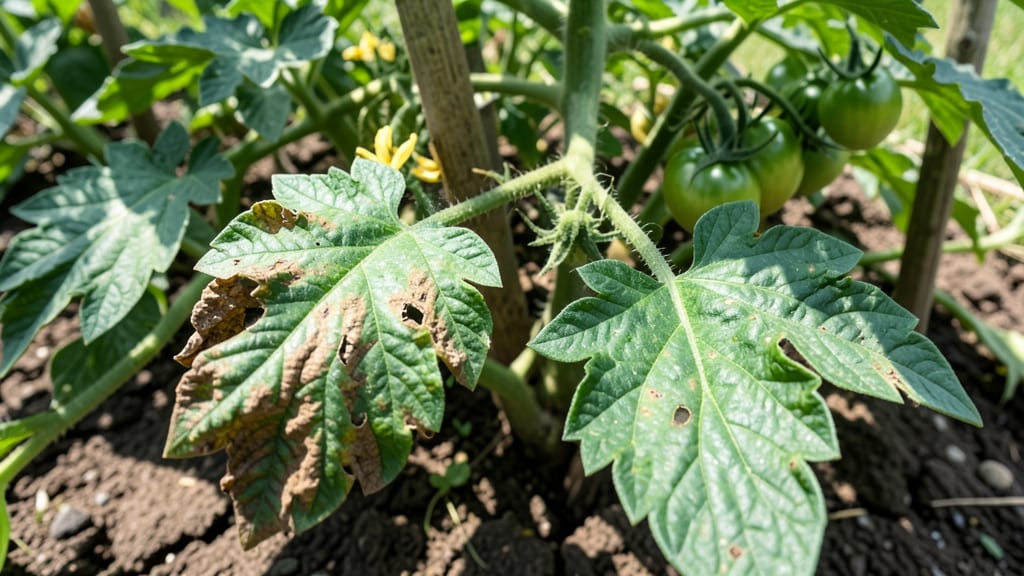
Your tomato leaves wilting doesn’t mean your plants are doomed—it’s just their way of screaming for help. 🌱 I’ve seen wilting tomatoes recover to produce the juiciest, most flavorful fruit you’ve ever tasted, and I’ll show you how.
The first step? Figuring out if it’s thirst, rot, pests, or something sneaky like early blight.
Overwatering is the #1 culprit, turning roots into soggy mush, but underwatering and pests can cause wilting too. Check the soil—if it’s damp 2 inches down, you’re overdoing it.
Yellow leaves with brown edges? That’s underwatering. Tiny holes or sticky residue? Aphids or spider mites are sucking the life out of your plants.
Once you identify the problem, the fix is simple: adjust your watering, trim damaged leaves, and treat pests with neem oil or insecticidal soap. For diseases like early blight, prune infected foliage immediately and space plants for better airflow. Most plants bounce back faster than you think.
Prevention is easier than cleanup: water deeply but less often, mulch to keep roots cool, and rotate crops every few years. If wilting persists despite your efforts, it might be fusarium wilt—time to call in a local extension office for a soil test. Your tomatoes deserve a second chance!
Root Causes Of Drooping Tomato Leaves
Understanding why your tomato leaves are wilting starts with identifying the underlying stress factors. These plants are sensitive to environmental shifts, nutrient imbalances, and physical damage—each triggering a cascade of responses that lead to limp, droopy foliage.
Below, we break down the most common culprits and the science behind them, so you can pinpoint the issue and take corrective action.
Tomatoes thrive on consistent moisture, but their roots are delicate—too much or too little water disrupts their ability to absorb nutrients and transport water efficiently. Here’s how it plays out:
- Overwatering (Root Rot & Suffocation) - Why it happens: Tomatoes prefer well-drained soil with a moisture level akin to a "slightly damp sponge." Overwatering saturates the roots, cutting off oxygen and inviting fungal pathogens like Phytophthora or Pythium.
These organisms clog root cells, blocking water uptake and causing wilting. - Signs to watch for: - Yellowing leaves (starting at the bottom). - Mushy, black, or discolored roots when inspected. - Soil that smells sour or stays soggy for days. - Quick fix: Let the top 1–2 inches of soil dry between waterings.
Improve drainage by amending soil with perlite or compost, and avoid watering at night to reduce humidity around roots.
- Underwatering (Physiological Drought Stress) - Why it happens: Tomatoes have a high transpiration rate—they lose water rapidly through leaves.
When soil moisture drops below 30–40%, roots struggle to pull water upward, causing temporary wilting (leaves droop but recover at night) or permanent damage if severe. - Signs to watch for: - Crispy, dry leaf edges. - Soil pulling away from pot edges (indicating extreme dryness). - Leaves curling inward (a survival mechanism to reduce water loss). - Quick fix: Water deeply until it drains from the bottom of the pot (for container plants) or until the soil 6 inches down is moist.
Use drip irrigation or soaker hoses to deliver water slowly at the root zone.
Tomatoes are warm-season crops (ideal temps: 70–85°F / 21–29°C). Venture outside this range, and their metabolic processes grind to a halt—leading to wilting as a survival tactic.
- Heat Stress (Wilting + Sunburn) - Why it happens: Above 90°F (32°C), tomato leaves close stomata (pores) to conserve water, halting photosynthesis. Without energy production, leaves wilt.
Prolonged heat also causes sunscald, where leaf tissue turns white or brown and dies. - Signs to watch for: - Wilting that worsens midday but doesn’t recover by evening. - Bleached or papery patches on leaves. - Fruit developing sun spots (white/yellow patches). - Quick fix: - Provide shade cloth (30–50% coverage) during peak sun. - Mulch heavily with straw or grass clippings to keep roots cool. - Water early morning to reduce evaporation stress.
- Cold Stress (Chilling Injury) - Why it happens: Below 50°F (10°C), tomato cells lose membrane integrity, disrupting nutrient flow.
Cold snaps can cause blackened leaf edges or brown, water-soaked spots—both signs of irreversible damage. - Signs to watch for: - Wilting that persists even after warming. - Dark, mushy spots on leaves (necrosis). - Stunted growth or flower drop. - Quick fix: - Use row covers or cloches for overnight protection. - Move potted tomatoes to a sheltered spot or indoors (if possible). - Avoid watering before cold snaps—wet leaves freeze faster.
Tomatoes are heavy feeders, and imbalances in key nutrients can mimic wilting caused by water issues. Here’s how to decode the clues:
| Symptom | Likely Cause | How to Fix It |
|---|---|---|
| Yellowing between veins (chlorosis) | Magnesium deficiency (common in sandy soils) | Apply Epsom salt (1 tbsp/gallon of water) every 2 weeks. |
| Purple stems/leaves | Phosphorus deficiency | Side-dress with bone meal or use a balanced fertilizer (10-10-10). |
| Brown, crispy edges | Potassium deficiency | Feed with wood ash or a potassium-rich fertilizer (like banana peel tea). |
| Wilting + stunted growth | Nitrogen toxicity (too much fertilizer) | Flush soil with water to leach excess salts. Reduce fertilizer frequency. |
| White crust on soil | Salt buildup (from tap water or over-fertilizing) | Amend soil with compost and use rainwater or distilled water. |
- 💡 Pro Tip: Conduct a soil test (DIY kits are affordable) to identify pH imbalances—tomatoes prefer 6.0–6.8 pH. Adjust with lime (to raise pH) or sulfur (to lower pH) as needed.
Hidden invaders can sap nutrients or block stomata, forcing leaves to wilt as a distress signal.
- Sap-Sucking Pests (Aphids, Whiteflies, Spider Mites) - Why it happens: These pests inject toxins and remove plant sap, causing leaves to yellow, curl, and wilt.
Heavy infestations lead to stunted growth and premature fruit drop. - Signs to watch for: - Sticky residue (honeydew) on leaves. - Tiny webs (spider mites) or white fluffy clusters (whiteflies). - Wilting that’s worse on new growth. - Quick fix: - Blast pests off with a strong stream of water. - Use neem oil (1 tsp + 1 quart water + drop of dish soap) as a spray. - Introduce beneficial insects like ladybugs or lacewings.
- Fungal Diseases (Early Blight, Late Blight) - Why it happens: Fungi like Alternaria solani (early blight) or Phytophthora infestans (late blight) clog stomata and disrupt water transport.
They thrive in high humidity and poor airflow. - Signs to watch for: - Concentric rings (early blight) or oily, dark spots (late blight) on leaves. - Wilting that spreads from lower to upper leaves. - Fruit developing lesions or rotting. - Quick fix: - Remove infected leaves immediately and destroy them (don’t compost). - Apply copper fungicide or baking soda spray (1 tbsp baking soda + 1 quart water + drop of soap). - Space plants 18–24 inches apart for airflow and water at the base (not overhead).
Sometimes, wilting is a direct response to trauma—whether from human error or nature’s quirks.
- Root Disturbance (Transplant Shock) - Why it happens: Tomatoes have shallow, fibrous roots that are easily damaged during repotting or soil disturbance.
When roots are cut or compacted, they lose their ability to absorb water, causing wilting. - Signs to watch for: - Wilting immediately after transplanting. - Slow recovery even with water. - Quick fix: - Water deeply before and after transplanting. - Use root stimulator (like mycorrhizal fungi) to encourage regrowth. - Avoid disturbing roots—bury stems deeper (up to the first leaves) to promote new root growth.
- Wind or Hail Damage
- Why it happens: Physical trauma ruptures leaf cells, leading to water loss and wilting. Severe damage can also expose the plant to secondary infections.
- **Signs to watch
Reviving Your Tomatoes Step by Step
When your tomato leaves start wilting, it’s time to roll up your sleeves and take action. The good news? Most issues are fixable with the right approach. Below, we’ve mapped out practical solutions for each common cause, along with prevention tips to keep your plants thriving.
Let’s get your tomatoes back to their vibrant best!
Fix: Adjust your watering habits and improve soil conditions.
- Stop Watering Immediately 🚰
- Wilting from overwatering often means the roots are drowning. Let the top 1–2 inches of soil dry out before watering again.
- Check Your Drainage 🏗️
- If your pots lack drainage holes, transfer the plant to a container with them. For in-ground tomatoes, amend the soil with sand or perlite to improve airflow.
- Water Deeply but Less Often 💧
- Water once every 2–3 days (adjust based on climate) and ensure the water soaks 6–8 inches deep. Use a moisture meter if needed.
- Mulch to Retain Moisture 🌿
- Apply 2–3 inches of organic mulch (straw or shredded leaves) around the base to regulate soil temperature and reduce evaporation.
Prevention Tip: 💡 Test your soil’s moisture level by sticking your finger 1 inch deep—if it’s damp, wait before watering again.
Fix: Hydrate properly and protect plants from extreme heat.
- Water at the Right Time ⏰
- Water early in the morning (before 10 AM) to reduce evaporation. Avoid evening watering, as wet leaves can attract pests.
- Increase Frequency in Heatwaves 🌡️
- During 90°F+ (32°C+) days, water daily and consider shade cloth (30–50% coverage) to prevent leaf scorch.
- Use Drip Irrigation or Soaker Hoses 💦
- These deliver water slowly and directly to the roots, minimizing waste and stress.
- Prune for Better Airflow 🌿
- Trim lower leaves to improve airflow and reduce heat buildup.
Prevention Tip: ✨ Group tomato plants together to create a microclimate that retains moisture and cools the soil.
Fix: Identify the culprit and treat it before it spreads.
🐜 Aphids, Spider Mites, or Whiteflies
- Spray with Neem Oil 🌿 (1 tsp neem oil + 1 tsp mild soap + 1 quart water).
- Introduce Beneficial Insects 🐞 (ladybugs or lacewings) to eat pests naturally.
- Wipe Leaves with Soapy Water 🧼 (use a soft cloth dipped in diluted dish soap).
🍄 Fungal Issues (Blight, Powdery Mildew)
- Remove Infected Leaves Immediately 🗑️ (sterilize pruners with rubbing alcohol).
- Apply Baking Soda Spray 🍞 (1 tsp baking soda + 1 quart water + a drop of soap).
- Space Plants for Airflow 🌬️ (at least 18–24 inches apart).
Prevention Tip: 🎯 Rotate crops yearly to prevent soil-borne diseases from recurring.
Fix: Feed your plants the right nutrients and improve soil health.
- Test Your Soil 📊 (Use a DIY kit or send a sample to a local extension office).
- Add Compost or Well-Rotted Manure 🌱 (Mix 2–3 inches into the topsoil).
- Use a Balanced Fertilizer 💪 (10-10-10 or 5-5-5) every 2–3 weeks during growing season.
- Fix Specific Deficiencies: - Yellow Lower Leaves? → Nitrogen (add blood meal or fish emulsion). - Purple Stems? → Phosphorus (bone meal). - Weak Growth? → Potassium (wood ash or banana peels).
Prevention Tip: 💡 Mulch with compost annually to slowly enrich the soil without overfeeding.
Fix: Protect your plants from harsh elements.
- Stake or Cage Tomatoes Early 🏗️ (Install supports before wilting starts).
- Use Windbreaks 🌬️ (Plant tall grasses or use burlap screens in exposed areas).
- Gently Straighten Wilting Stems 👨🍳 (If wind bent them, prop them up with soft ties).
Prevention Tip: ✨ Choose determinate varieties (bush tomatoes) for high-wind areas—they’re sturdier.
Fix: Revive struggling roots with these steps.
- Repot Immediately 🏺 (If roots are circling or mushy, move to a larger pot with fresh soil).
- Trim Rotten Roots ⚔️ (Cut away black, mushy roots with sterilized scissors).
- Use Fungicide 🍄 (Apply hydrogen peroxide (3%) to soil to kill fungus).
- Hold Off on Watering ⏳ (Let the plant recover for 3–5 days before resuming care).
Prevention Tip: 🌡️ Never let pots sit in saucers of water—always empty excess after watering.
Final Thought: Most wilting issues are quick fixes—just match the symptom to the solution! With the right care, your tomato plants will bounce back stronger than ever. 🍅💪
Frequently asked questions
Why do my tomato leaves wilt in the afternoon but recover at night?
This is classic heat stress—your plants are conserving water by closing their stomata during peak sun. When temperatures exceed 90°F (32°C), tomato leaves naturally wilt to prevent water loss. The recovery at night confirms it's not a watering issue. Try providing shade cloth (30-50% coverage) or watering early morning to reduce evaporation stress.
How can I tell if my wilting tomato plants need water or are overwatered?
Check the soil 2 inches down—if it's damp, you're overwatering. For underwatering, leaves will feel crispy at the edges and soil will pull away from pot sides. Overwatered plants often have yellow lower leaves and smell sour. The key difference: underwatered plants recover after watering, while overwatered ones may have mushy, black roots.
What should I do if my tomato leaves are wilting and have brown spots?
Those spots suggest early blight or fungal infection—common in humid conditions. Remove infected leaves immediately and apply a baking soda spray (1 tbsp baking soda + 1 quart water + drop of soap). Space plants 18-24 inches apart for airflow and water at the base (not overhead). For severe cases, use copper fungicide every 7-10 days.
Can I save a tomato plant with completely wilted leaves?
Not always—but act fast! First, check if stems are still firm (not mushy). If roots are healthy, trim all leaves and water deeply. Place the plant in bright, indirect light and reduce watering slightly. Most plants recover within 3-5 days if the root system is intact. If stems are soft or black, the plant is likely beyond saving.
Why do my container-grown tomatoes wilt faster than in-ground plants?
Potted tomatoes dry out 3-4x faster than in-ground plants because containers have less moisture retention. Use self-watering pots or add moisture-retaining crystals to the soil. Water when the top 1 inch feels dry, and always use pots with drainage holes. Mulch with straw or coconut coir to slow evaporation—container plants need daily checks in hot weather.