
How To
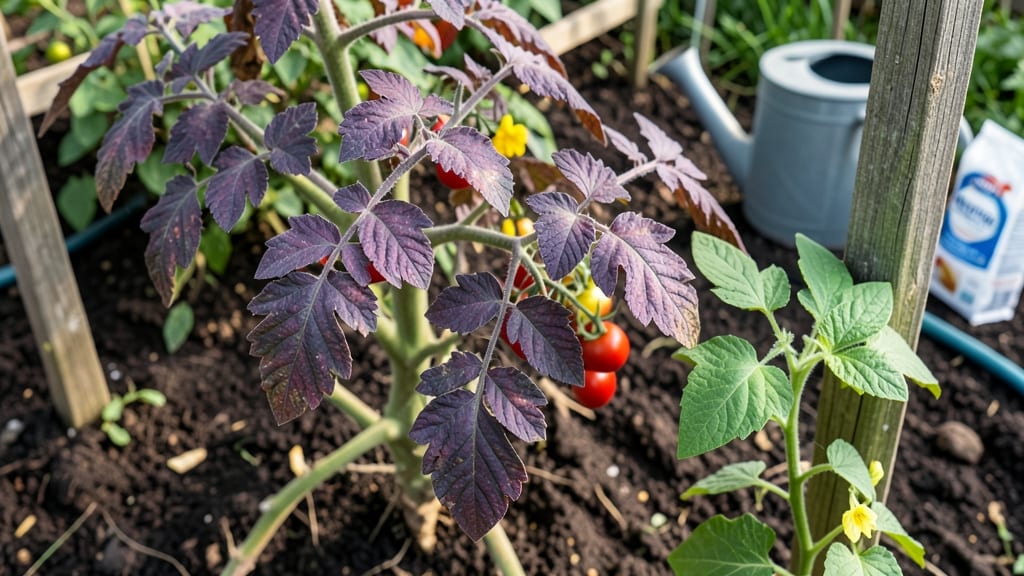
Those tomato leaves going purple are your plants’ way of screaming for help—this is your sign to act fast. 🌱 I’ve seen this happen after years of trial (and error) with my own tomatoes, and the fix isn’t as complicated as it seems.
Purple leaves usually mean one of three things: a nutrient imbalance, stress from extreme conditions, or even a sneaky fungal infection. The good news? Each problem has a straightforward solution, and you can often reverse it before it ruins your harvest.
First, check the soil—purple often means calcium or magnesium deficiency, especially if the veins stay green while the leaf edges turn purple. Over-fertilizing with nitrogen (the "green" fertilizer) can also cause this, along with sudden heatwaves or cold snaps.
If the purple spreads with yellow spots, it might be early blight, a fungal disease that needs pruning and better airflow. The key is acting within 24-48 hours to stop the spread.
Start with a balanced fertilizer (like 10-10-10) and a sprinkle of crushed eggshells or lime to boost calcium. Water deeply at the base in the morning to avoid fungal growth, and prune any affected leaves immediately—don’t wait.
Within a week, you’ll see new growth returning to that vibrant green your tomatoes deserve. The best part? These fixes work for both container and in-ground plants.
Prevention is easier than cleanup: mulch to keep soil temps stable, avoid overwatering, and rotate crops yearly to break disease cycles. If the purple persists after a week of care, it might be time to consult a local extension office—they can test your soil for sure.
Trust me, your next tomato harvest will thank you.
Understanding The Root Causes
Tomato leaves turning purple isn’t just an aesthetic issue—it’s a cry for help from your plants. 🌱 Whether you’re a seasoned gardener or a beginner with a green thumb, pinpointing the exact cause is key to restoring those lush, green leaves.
Below, we break down the most common reasons behind this color shift, backed by science and actionable insights.
When tomato plants sit in soggy soil for too long, their roots struggle to breathe. This oxygen deprivation triggers a stress response, leading to anthocyanin production—the pigment responsible for purple hues. Overwatering also disrupts nutrient uptake, particularly phosphorus and nitrogen, which are critical for chlorophyll synthesis.
Signs to watch for:
- Yellowing leaves (chlorosis) paired with purple edges
- Soggy, compacted soil that stays wet for days
- Root rot (mushy, dark roots when inspected)
Why it happens: Tomatoes thrive in well-draining soil with a moisture balance. Overwatering forces roots into anaerobic conditions, where they can’t absorb water or nutrients efficiently. The plant compensates by producing anthocyanins as a protective measure against oxidative stress.
Tomatoes are warm-weather lovers, and when temperatures dip below 50°F (10°C), they react by producing anthocyanins as a natural sunscreen to shield leaves from UV damage. This is especially common in early spring or fall plantings or in high-altitude gardens.
Signs to watch for:
- Purple tinges on young leaves or new growth
- Stunted growth or slow development
- Leaves that feel crispy or wilted in cold snaps
Why it happens: Cold stress disrupts chlorophyll production while simultaneously triggering the synthesis of protective pigments. The plant is essentially "hardening off" to survive, but prolonged cold can weaken it further, making it susceptible to disease.
Purple leaves often signal a lack of essential nutrients, particularly:
- Phosphorus (P): Critical for energy transfer and root development. Deficiencies cause purple stems and leaf undersides.
- Nitrogen (N): Essential for chlorophyll production. Without enough nitrogen, leaves turn yellow (chlorotic) with purple veins.
Signs to watch for:
- Purple veins or stems (phosphorus deficiency)
- Overall stunted growth with small, dark green leaves (nitrogen deficiency)
- Slow flowering or fruiting
Why it happens: Tomatoes are heavy feeders, especially during fruiting. Soil depleted of phosphorus or nitrogen forces the plant to redirect energy toward survival, leading to pigment changes. Over-fruiting without replenishment can also drain nutrients faster than the soil can replenish them.
While tomatoes need sunlight, intense heat (above 90°F/32°C) or direct afternoon sun can cause sunburn-like stress, triggering anthocyanin production as a protective measure. This is common in container gardens or greenhouse settings with poor ventilation.
Signs to watch for:
- Bronze or purple patches on leaf surfaces exposed to direct sun
- Leaf edges curling or scorching
- Wilting despite adequate water
Why it happens: Excessive sunlight leads to oxidative damage in leaf cells. The plant responds by producing anthocyanins to scavenge free radicals and prevent further damage. However, this is a temporary fix—prolonged heat stress can lead to leaf drop and reduced yield.
Certain pests and diseases damage leaf tissue, disrupting chlorophyll production and exposing underlying purple pigments. Common culprits include:
- Spider mites (tiny webs + stippled leaves)
- Aphids (sticky residue + curled leaves)
- Early blight or septoria leaf spot (concentric rings + purple-black spots)
Signs to watch for:
- Purple spots paired with yellow halos (fungal infection)
- Webbing or tiny bugs on leaf undersides
- Premature leaf drop or irregular purple patches
Why it happens: When pests or pathogens pierce or feed on leaf cells, the plant’s natural defense mechanisms kick in. Anthocyanins act as antioxidants, but they’re not a long-term solution. The real issue is the underlying damage causing stress.
Tomatoes prefer a slightly acidic soil pH (6.0–6.8). If the soil is too alkaline (high pH), nutrients like iron, manganese, and phosphorus become unavailable, leading to purple discoloration.
Signs to watch for:
- Purple leaves across the entire plant (not just edges)
- Yellowing between veins (iron deficiency)
- Slow growth despite frequent watering
Why it happens: High pH locks out micronutrients, forcing the plant to prioritize survival over growth. The purple hue is a secondary symptom of nutrient starvation, often accompanied by chlorosis (yellowing).
Purple tomato leaves are never just a cosmetic issue—they’re a warning sign from your plant. By identifying the root cause (water, temperature, nutrients, pests, or soil), you can take targeted action to restore health.
The good news? Most of these fixes are simple and fast—whether it’s adjusting watering habits, adding compost, or providing shade. 🌿
Quick Fixes for Purple Tomato Leaves
Now that you’ve identified the cause behind your tomato leaves turning purple—whether it’s nutrient deficiencies, environmental stress, or pests—it’s time to take action! Below are practical, step-by-step solutions tailored to each issue, plus prevention tips to keep your plants thriving.
If your tomato leaves are purple due to a lack of key nutrients, here’s how to restore balance:
1️⃣ Boost Phosphorus for Root & Flower Growth Purple undersides or stems often signal low phosphorus.
Use: - Bone meal (organic) or phosphorus-rich fertilizer (like 5-10-10 or 10-20-20). - Compost tea or fish emulsion for a gentle phosphorus boost. - Apply around the base of the plant (not directly on leaves) and water thoroughly.
💡 Pro Tip: Avoid overdoing nitrogen-heavy fertilizers (like blood meal), as they can worsen phosphorus deficiencies.
2️⃣ Add Potassium for Overall Health
Purple edges or curling leaves may mean low potassium. Try:
- Banana peels (dried and crushed) or potassium sulfate.
- Wood ash (sprinkle lightly around the soil).
- Epsom salt (1 tbsp per gallon of water, sprayed on leaves weekly).
✨ Bonus: Potassium helps prevent blossom end rot, a common tomato issue!
3️⃣ Balance with Micronutrients
If purple spots appear on older leaves, your plant may need:
- Magnesium (Epsom salt soak: 1 tbsp per gallon of water, applied every 2 weeks).
- Iron (chelated iron spray for chlorosis-like symptoms).
If temperature or light swings are to blame, adjust your growing conditions:
1️⃣ Shield from Extreme Heat or Cold
Tomatoes thrive in 60–85°F (15–29°C). To protect them:
- Move potted plants to a shaded area during heatwaves.
- Use row covers or shade cloth (30–50%) if temps exceed 90°F (32°C).
- Mulch heavily to regulate soil temperature and retain moisture.
🌡️ Pro Tip: Avoid cold drafts—purple leaves can also signal frost damage. Use black plastic mulch to warm soil in spring.
2️⃣ Optimize Light Exposure
Too little sun causes weak, purple-tinged growth:
- Ensure 6–8 hours of direct sunlight daily (south-facing windows or grow lights for indoor plants).
- Rotate pots weekly for even light distribution.
- Prune nearby shade-casting plants (like corn or tall weeds).
🔥 Warning: Too much direct sun (especially in hot climates) can also stress plants—watch for sunburnt leaves (white/yellow patches).
If pests or pathogens are causing purple discoloration, act fast:
1️⃣ Remove Infestations
- Aphids/Spider Mites: Spray with neem oil (1 tsp per quart of water) or insecticidal soap.
- Whiteflies: Use yellow sticky traps or kaolin clay as a barrier.
- Fungal Issues (e.g., early blight): Prune affected leaves, then apply copper fungicide or baking soda spray (1 tsp baking soda + 1 quart water + a drop of soap).
👨🍳 DIY Recipe: Mix 1 tsp dish soap + 1 quart water for a mild pest deterrent (test on a small leaf first).
2️⃣ Improve Airflow & Hygiene
- Space plants 18–24 inches apart to prevent humidity buildup.
- Water at the base (avoid wetting leaves) to reduce fungal spores.
- Rotate plants weekly for even drying.
Stop the problem before it starts with these long-term strategies:
| Issue | Prevention Tip |
|---|---|
| Nutrient Imbalance | Test soil every 2–3 years and amend with compost. Use a balanced fertilizer (like 10-10-10). |
| Temperature Stress | Choose heat-tolerant varieties (e.g., ‘Solar Fire’ or ‘Heatmaster’). |
| Pests/Disease | Crop rotate annually to break pest cycles. Plant marigolds or basil nearby as repellents. |
| Watering Issues | Use drip irrigation to keep soil consistently moist (not soggy). |
🎯 Final Tip: Monitor your plants weekly—catching purple leaves early means quicker fixes and bigger harvests!
By addressing the root cause (literally!) and adjusting care routines, your tomato plants will bounce back with vibrant green leaves and abundant fruit. Happy growing! 🍅✨
Frequently asked questions
Can I still harvest tomatoes if the leaves are turning purple?
Yes, you can still harvest tomatoes from plants with purple leaves! The leaves provide energy to the plant, but the fruit develops from the flowers. Focus on removing any severely affected leaves to redirect energy to the tomatoes. If the purple is from nutrient deficiency, the existing fruit won’t be harmed—just new growth may be slower.
How do I tell if purple leaves are from cold stress or nutrient deficiency?
Check the plant’s overall health: cold stress often affects young leaves first and may include crispy edges, while nutrient deficiencies (like phosphorus) usually start on older leaves and show purple undersides or stems. If the soil is cold (below 50°F/10°C), it’s likely temperature-related. Warm the soil with black plastic mulch or move pots to a warmer spot.
Will Epsom salt fix purple leaves caused by magnesium deficiency?
Epsom salt (magnesium sulfate) is a quick fix for magnesium deficiency, which often causes purple spots between leaf veins. Mix 1 tablespoon per gallon of water and spray on leaves weekly. For best results, apply in the morning so the solution dries before evening. Combine this with a balanced fertilizer to prevent future deficiencies.
Can over-fertilizing cause tomato leaves to turn purple?
Yes, over-fertilizing—especially with too much nitrogen—can disrupt nutrient balance and lead to purple edges or veins. If you’ve recently fertilized and see new purple growth, flush the soil with water to leach excess salts. Switch to a balanced fertilizer (10-10-10) and reduce frequency to every 4-6 weeks during fruiting.
What’s the fastest way to fix purple leaves from early blight?
Prune all infected leaves immediately and dispose of them in the trash (not compost). Then apply a copper fungicide or baking soda spray (1 tsp baking soda + 1 quart water + a drop of soap) every 7-10 days. Improve airflow by spacing plants 18-24 inches apart and water at the base to keep leaves dry. Repeat until new growth is healthy.