
Picking
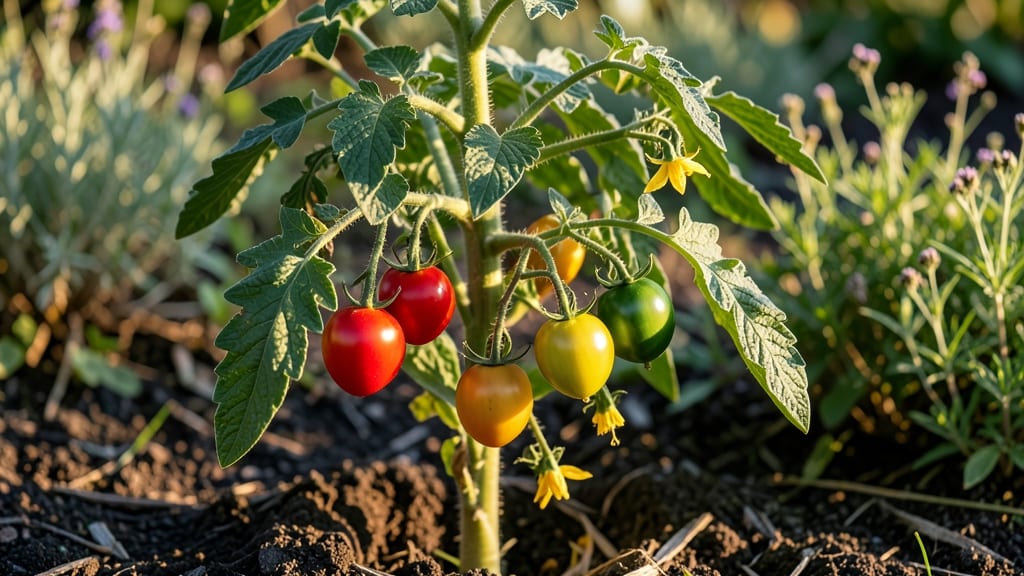
Mastering the cherry tomato ripening stages transforms a simple harvest into a flavor explosion—four key phases separate bland from burstingly sweet. Each shift in color, from pale green to deep red, signals a deeper sweetness waiting to be unlocked.
I’ve watched my plants go from tiny blossoms to bursting clusters, and the difference between picking too early (mealy, bland) and at peak ripeness (bursting with juice) is night and day. Understanding these stages turns a good harvest into a perfect one, every single time.
The first stage is that pale green, firm fruit—hard as a marble and tasting like nothing. Then comes the light green phase, where they start softening slightly but still lack sweetness.
True ripening begins at orange-yellow, when sugar content rises dramatically, and peaks at deep red, when the flavor is richest. Temperature matters too—below 55°F slows ripening, while consistent sun (6+ hours daily) speeds it up.
By recognizing these stages, you’ll pick tomatoes at their sweetest, with skin that’s firm but yields slightly to pressure. The red stage is where they’re juiciest, perfect for snacking or salads—no more bland, underripe bites.
Uneven ripening? Check for shaded spots or uneven watering; consistent care keeps all tomatoes on the same schedule.
This guide ensures you’ll never miss the window again. Whether you’re growing in pots or a full garden, these stages are your roadmap to perfect harvests—no guesswork, just flavor-packed tomatoes straight from the vine. Let’s get those clusters glowing red!
📚 In This Guide
- What you need
- Instructions
- Tips and common mistakes
- Wrapping up and next steps
What you need
- ● Cherry tomato plants (varieties like 'Sweet 100,' 'Sun Gold,' or 'Black Cherry' for vibrant ripening stages).
- ● Garden gloves (nitrile or cotton, size medium or large) to protect hands from thorns and dirt.
- ● Pruning shears or sharp scissors (bypass pruners with a 5-7" blade for clean cuts).
- ● Harvest basket or tray (breathable mesh or shallow container to avoid bruising).
- ● Notebook or phone (for logging ripening progress—dates, colors, and notes on flavor).
- ● Permanent marker or labels (to tag plants if tracking multiple varieties).
- ● Water spray bottle (8 oz, for misting plants if weather is dry).
- ● Digital thermometer/hygrometer (to monitor temperature/humidity for optimal ripening).
- ● Food-safe spray (e.g., neem oil or copper fungicide) (prevent pests/diseases that delay ripening).
- ● Ripening chart or color swatches (printed or digital for side-by-side comparison).
- ● Small hand lens (magnification 2x-3x) (to inspect for subtle ripening cues like blush or texture changes).
- ● Reusable silicone tomato pickers (gentle on vines and reduce hand fatigue).
How to identify cherry tomato ripening stages for optimal harvest
Mastering these color-coded stages ensures you pick tomatoes at peak flavor and texture—no more mealy, underripe fruit.
Recognize the Green Stage (Immature)
Cherry tomatoes begin life as hard, bright green orbs that feel firm to the touch—this is their immature stage. At this point, they contain minimal sugar and maximum acidity, making them unpleasantly tart. The skin is thick and waxy, designed to protect the developing fruit from pests and environmental stress.
You'll often see this stage in grocery stores, where tomatoes are harvested early to survive shipping. Here's the thing—these won't ripen further off the vine. Wait until you see pale yellow or light green shoulders forming at the blossom end before even considering harvesting. This subtle color shift signals the plant is redirecting energy toward sugar development.
Identify the Breaker Stage (Early Ripening)
The breaker stage is where magic begins—look for one or more pink or red spots on the tomato's surface, typically near the stem end. These spots indicate chlorophyll breakdown as the fruit transitions from growth to ripening. The rest of the tomato may still appear mostly green, but those telltale pink patches mean sugars are accumulating.
This is the perfect time to pick if you need tomatoes immediately, as they'll continue ripening indoors at room temperature. Place them in a paper bag with a banana or apple to speed up ethylene gas exposure—nature's way of signaling ripeness. You'll notice the spots spread and deepen within 24-48 hours under these conditions.
Master the Turning Stage (Full Ripening)
When 50-75% of the tomato's surface turns pink or red, it's reached the turning stage. This is where texture and flavor transform dramatically. The fruit softens slightly (though still firm to the touch), and the skin develops a slight sheen. At this point, the tomato is edible but not yet at peak sweetness—think of it as the "almost there" phase.
This is the moment that matters: leave turning-stage tomatoes on the vine one more day if possible. The final ripening process under sunlight produces the most complex flavor profiles. You'll know they're ready when the entire surface shows consistent color, with no remaining green patches. The stem end may even develop a duller hue as ripening completes.
Harvest at Peak Ripeness (Full Color)
The final stage delivers tomatoes that are fully colored, slightly softer to gentle pressure, and fragrant when gently squeezed. Cherry tomatoes at this stage should be uniform in color—whether red, yellow, orange, or purple—with no green remnants. The skin may develop a slightly waxy texture, and the fruit will feel heavy for its size, indicating maximum water content and sweetness.
Here's where it gets fun: pick these tomatoes in the early morning when temperatures are coolest. This preserves their freshness longer and prevents the vines from dropping overripe fruit. You'll immediately notice the intense aroma—a sweet, tangy scent that signals perfect ripeness. For storage, keep them at room temperature for up to 5 days, or refrigerate (though this reduces flavor complexity) for 7-10 days.
Troubleshoot Common Ripening Issues
If your cherry tomatoes stay green indefinitely, lack of sunlight is usually the culprit. Tomatoes need 6-8 hours of direct sunlight daily to develop proper color and sugars. Move containers or adjust plant placement immediately—green tomatoes won't ripen further without proper light exposure. For indoor plants, supplement with a grow light positioned 6 inches above the plants for 12-14 hours daily.
Overripe tomatoes develop a mushy texture and may crack if left too long on the vine. These are perfect for sauces or freezing but won't deliver the crisp, juicy experience of properly timed harvests. Watch for white or gray mold on overripe fruit—a sign of botrytis blight, which spreads rapidly. Remove affected tomatoes immediately and treat the plant with a copper fungicide if needed. The key to perfect picking is consistent monitoring—check your plants every 2-3 days during peak growing season.
Tips & tricks for perfect cherry tomato ripening
These color-coded secrets will transform your tomato harvest from bland to breathtakingly sweet.
Light Matters More Than You Think: The 6-8 hours of direct sunlight mentioned in Step 5 isn't just about color—it's about photosynthesis creating the complex sugars that make cherry tomatoes taste like summer. Position your plants where they get morning sun and afternoon shade if your climate is particularly hot, as this prevents sunscald while still allowing enough light for proper ripening. I've seen tomatoes go from breaker stage to full ripeness in just 4 days with ideal light exposure, compared to weeks when plants are shaded.
The Breaker Stage Shortcut: When you spot those first pink spots in Step 2, place tomatoes in a paper bag with an apple or banana to accelerate ripening. The ethylene gas from these fruits triggers the ripening process, and you'll see dramatic color changes within the 24-48 hour window. This is especially helpful if you need ripe tomatoes for a specific recipe—just be careful not to crush the tomatoes as they'll bruise easily at this delicate stage.
Hands-On Texture Test: The turning stage in Step 3 is where you'll notice the most dramatic texture changes. Gently press a tomato—it should yield slightly but still feel firm. If it's rock-hard, it's not ready; if it's mushy, it's overripe. I've found that the perfect balance occurs when the tomato feels slightly heavier than its size suggests, indicating maximum water content and sweetness. This is your cue to harvest immediately for peak flavor.
Morning Harvest Magic: The early morning harvest recommendation in Step 4 isn't just about convenience—it's about preserving the tomato's natural sugars. Tomatoes are most flavorful right after sunrise when they've had a full night to convert starches to sugars through respiration. Harvesting at this time also prevents the vines from dropping overripe fruit, which can happen when tomatoes are left too long on the vine during hot afternoons.
Pro Tips for Cherry Tomato Ripening Stages
- These color-coded secrets will transform your tomato harvest from bland to breathtakingly sweet.
- Light Matters More Than You Think: The 6-8 hours of direct sunlight mentioned in Step 5 isn't just about color—it's about photosynthesis creating the complex sugars that make cherry tomatoes taste like summer.
- The Breaker Stage Shortcut: When you spot those first pink spots in Step 2, place tomatoes in a paper bag with an apple or banana to accelerate ripening.
Frequently asked questions
Got questions about cherry tomato ripening?
Here are the answers to the most common queries—from timing tricks to troubleshooting—so you can harvest at peak flavor every time.
How long does it take for cherry tomatoes to ripen after flowering?
Most cherry tomato varieties take 50–70 days from flowering to ripening, depending on the cultivar and growing conditions. Warmer climates or greenhouse setups can speed this up by 1–2 weeks. Keep an eye on color shifts—green to yellow or red signals ripeness!
Can I speed up ripening if my tomatoes are slow to change color?
Yes! Try these tricks:
- Sunlight boost: Move plants to a sunnier spot (6–8+ hours of direct sun daily).
- Warmth hack: Place a heat mat under containers or use a row cover to trap warmth.
- Ethylene trick: Place a ripe banana or apple nearby to release ethylene gas (naturally speeds ripening).
What do cherry tomatoes look like at each ripening stage?
Here’s a quick color-coded breakdown:
Stage
Color
Firmness/Taste
Immature
Green
Hard, bland (best for sauces or pickling if no choice).
Breaker
td>Yellow, orange, or light pink (varies by type)
Slightly softening, tangy-sweet.
Mature
Full red, purple, or yellow
Firm but yielding, peak sweetness!
Overripe
Deep red/purple with soft spots
Mushy, mealy—save for salsa or compost.
What should I do if frost is coming and my tomatoes are still green?
Don’t panic! Harvest green tomatoes and ripen them indoors:
- Store in a paper bag with a ripe banana at room temp (2–3 days).
- For longer storage, refrigerate unwashed tomatoes (they’ll ripen slower).
- Use them in recipes like green tomato salsa or fried green tomatoes!
Are there cherry tomato varieties that ripen faster than others?
Fast-ripening varieties (50–60 days) include:
- ‘Sweet 100’ (red, classic choice)
- ‘Sun Gold’ (orange, super sweet)
- ‘Tiny Tim’ (compact, early producer)
- ‘Black Cherry’ (dark purple, heat-tolerant)
Wrapping up and next steps
Understanding the cherry tomato ripening stages is your secret weapon for harvesting sweet, flavorful fruits at their peak! From green to deep red, each color signals a unique taste and texture—don’t miss the perfect moment. 🍅✨
Now that you’re equipped with the know-how, grab your basket and head to the garden! Observe your plants daily, and soon you’ll be enjoying homegrown tomatoes that burst with flavor. Happy picking—and may your harvest be abundant!