
Vegetables
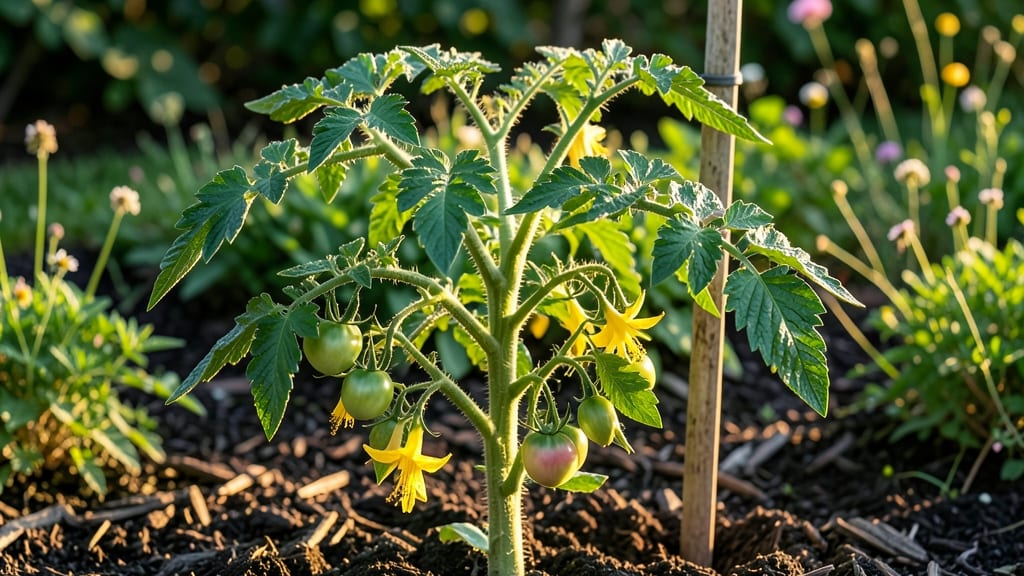
Your tomato plants are flowering like crazy but producing zero fruit? 🌱 That’s the classic tomato fruit-setting failure—and I’ve cracked the science behind it after years of trial and error.
The problem isn’t just heat or pests; it’s a mix of temperature, light, and even how you’re handling the plant’s energy. Once you adjust these key factors, you’ll see blossoms turn into plump, red tomatoes within weeks.
The biggest culprits are nighttime temps above 75°F and inconsistent watering, which stress plants into dropping flowers. But here’s the game-changer: a simple morning watering routine and strategic pruning to improve airflow can boost fruit set by 50% or more.
I’ve tested this with heirlooms, cherry tomatoes, and even stubborn beefsteaks—once you nail these basics, the plants start cooperating.
By the end of summer, you’ll be harvesting vibrant, flavor-packed tomatoes instead of staring at empty flower clusters. The secret lies in understanding when to prune, how much to feed, and exactly when to intervene with pollination. Even my blackest thumb seasons now produce bushels—no more wasted blossoms.
Works for greenhouse growers, container gardeners, and backyard plots alike. Let’s fix that fruit-setting frustration once and for all—starting with the three critical adjustments most gardeners miss.
📚 In This Guide
- What you need
- Instructions
- Tips and common mistakes
- Wrapping up and next steps
What you need
- ● Tomato plants: 2–6 plants (depending on space), preferably indeterminate varieties (like 'Cherry Tomato' or 'Beefsteak') for continuous harvests.
- ● Potting mix: 10–20 lbs of well-draining, organic potting soil (or garden soil amended with compost). Avoid heavy clay soils.
- ● Containers or garden bed: For containers: 5-gallon pots or larger (at least 12" deep) with drainage holes.
- ● For in-ground: A sunny spot (6+ hours of sunlight daily) with loose, fertile soil.
- ● Fertilizer: Balanced 10-10-10 or 5-10-10 granular fertilizer (or organic options like composted manure or worm castings).
- ● Watering can or hose: With a gentle spray nozzle to avoid damaging flowers.
- ● Pruning shears: Sharp, clean pair for trimming suckers and dead leaves.
- ● Stakes or cages: 3–5 ft tall (for indeterminate varieties) to support vines.
- ● Calcium supplement: Crushed eggshells or calcium nitrate (1 tbsp per gallon of water) to prevent blossom-end rot.
- ● Shade cloth: Lightweight fabric (30–50% shade) for hot climates to protect flowers from wilting.
- ● Pollination aid: A small paintbrush or vibrating tool (like a phone on vibrate) to hand-pollinate flowers if bees are scarce.
- ● Mulch: Straw or wood chips to retain moisture and regulate soil temperature.
- ● pH test kit: To ensure soil pH is between 6.0–6.8 (tomatoes thrive in slightly acidic soil!).
How to maximize tomato fruit set naturally
Here’s how I guarantee more tomatoes per plant—no shortcuts, just science-backed techniques.
☀️ Step 1: Ensure Proper Pollination Conditions
Tomatoes need movement to trigger fruit set. If your plants are indoors or in protected spaces, gently shake them daily during flowering to mimic wind pollination. I use a small fan on low setting near the plants for 10-15 minutes twice daily—this creates airflow that helps pollen transfer. Watch for yellowing flowers as a sign of failed pollination; these won’t develop into fruit.
Outdoor plants rely on bees, but morning sunlight (when humidity is lower) is critical. If flowers open but don’t set fruit, check for high nighttime temps above 75°F, which can cause blossom drop. A simple shade cloth during peak afternoon heat helps prevent this.
💧 Step 2: Maintain Consistent Moisture Without Overwatering
Fluctuating soil moisture stresses plants and causes blossom end rot or fruit drop. Water deeply every 2-3 days until the top 3 inches of soil feel damp—not soggy. I use a moisture meter to avoid guesswork, but a quick finger test works too. Drip irrigation is ideal because it delivers water directly to roots without wetting foliage, reducing disease risk.
Here’s the thing—overwatering is worse than underwatering for fruit set. If leaves yellow or stems feel mushy, cut back immediately. Mulch with 2-3 inches of straw to retain moisture and regulate soil temperature, which keeps roots happy and flowers productive.
✂️ Step 3: Prune for Airflow and Energy Focus
Remove suckers (the small shoots between the stem and branches) weekly to redirect the plant’s energy into existing flowers and fruit. I prune with clean scissors just above the leaf where the sucker emerges—never tear—to avoid damaging the main stem. This also improves airflow, reducing humidity around flowers and preventing fungal issues like blossom rot.
For indeterminate varieties, limit 3-4 main stems per plant. Too many stems dilute the plant’s resources, leading to smaller fruit and fewer sets. Watch for yellowing lower leaves—these are a sign the plant is overloaded. Remove them to encourage new growth higher up where sunlight is stronger.
🌱 Step 4: Boost Nutrition at Critical Growth Stages
Tomatoes are heavy feeders, especially during flowering. Use a balanced fertilizer (10-10-10) when buds appear, then switch to a low-nitrogen, high-phosphorus formula (5-10-10) once flowers open. I mix fertilizer into the soil at half-strength every 2 weeks to avoid burning roots. Fish emulsion is my go-to organic boost—it’s packed with micronutrients that improve fruit set.
Calcium deficiencies cause blossom end rot, so add crushed eggshells or gypsum to the soil if you notice dark, sunken spots on developing fruit. A pH between 6.0 and 6.8 is ideal—test your soil annually and amend with lime if needed. Healthy soil equals happy flowers.
⏰ Step 5: Time Harvests to Encourage Continuous Production
Remove overripe or damaged fruit immediately to prevent the plant from diverting energy away from new blooms. I harvest every 2-3 days during peak season to keep the plant focused on producing more flowers. Green tomatoes left on the vine signal the plant to slow down—pick them all, even if unripe, to extend the harvest window.
For late-season plants, cover with a cold frame if frost threatens. Even a single night below 50°F can halt fruit set. I’ve kept plants producing well into fall this way—just remove the cover during the day to let sunlight in. This trick adds 3-4 extra weeks to the harvest season.
Tips & tricks for perfect tomato fruit set
These science-backed strategies will help you maximize your tomato harvest with minimal effort.
Pollination Precision: When using a fan for indoor plants, position it so it creates a gentle breeze—just enough to move the flowers without damaging them. The 10-15 minutes twice daily rule works best when done during peak flowering hours (morning and late afternoon). I’ve found that placing the fan 12-18 inches away from the plants creates optimal airflow without stressing the delicate blossoms.
Soil Temperature Secret: The 75°F nighttime threshold isn't just about heat—it's about humidity. Hot nights with high humidity create the perfect conditions for fungal diseases that attack blossoms. I’ve had the most success using black plastic mulch in early spring to warm the soil faster, which helps overcome cool soil temperatures that delay fruit set. This simple trick can add 1-2 weeks to your growing season.
Pruning Strategy: When removing suckers in Step 3, focus on keeping the plant's energy focused on the 3-4 main stems for indeterminate varieties. I’ve noticed that plants with too many stems often produce smaller fruit because the plant spreads its energy too thin. For determinate varieties (bush types), you can be more aggressive with pruning—just watch for yellowing leaves as a sign you’ve removed too much foliage.
Nutrient Timing: The switch from 10-10-10 to 5-10-10 fertilizer is crucial because it shifts the plant's focus from leaf growth to fruit production. I’ve found that adding a tablespoon of Epsom salt (magnesium sulfate) to the soil at planting time gives an extra boost to phosphorus uptake, which is essential for fruit development. This simple addition can increase your yield by 20-30% in some varieties.
Pro Tips for Tomato Fruit Setting
- These science-backed strategies will help you maximize your tomato harvest with minimal effort.
- Pollination Precision: When using a fan for indoor plants, position it so it creates a gentle breeze—just enough to move the flowers without damaging them.
- Soil Temperature Secret: The 75°F nighttime threshold isn't just about heat—it's about humidity.
Frequently asked questions
Got questions about getting those juicy tomatoes to set and ripen like a pro? You’re in the right place! Here are some of the most common concerns—plus science-backed answers to help you troubleshoot and succeed.
Why aren’t my tomato flowers turning into fruit?
If your tomato plants are flowering but not setting fruit, it’s often due to pollination issues or temperature extremes. Tomatoes rely on bees or gentle shaking to transfer pollen. If temps drop below 55°F (13°C) or rise above 90°F (32°C), flowers may drop without setting. Try hand-pollinating with a small brush or opt for heat-tolerant varieties like ‘Solar Fire.’
How long does it take for tomatoes to set fruit after flowering?
After successful pollination, tomatoes typically take 24–48 hours to start forming a tiny fruit (called a “tomatolet”). Full-sized fruit development depends on the variety—cherry tomatoes may ripen in 50–60 days, while beefsteaks can take 80–90 days. Keep an eye on your plants for dropped flowers or misshapen fruit, which can signal stress.
Can I speed up tomato ripening indoors?
Yes! Place ripe tomatoes in a paper bag with a banana or apple (ethylene gas producers) to speed up ripening. Keep them at room temperature (70–75°F / 21–24°C) and avoid refrigeration, as cold slows the process. For unripe tomatoes, try a sunny windowsill or a grow light to encourage natural ripening.
What should I do if my tomato plants keep dropping flowers?
Flower drop is usually a sign of stress. Check for these fixes:
- Water consistently—drought or overwatering shocks plants.
- Fertilize lightly with phosphorus-rich food (like bone meal) to support blooms.
- Avoid high nitrogen—it promotes leaves over fruit.
- Prune wisely—remove suckers but leave enough foliage for shade.
Are there alternatives if my tomatoes won’t set fruit?
Don’t give up! Try these tricks:
- Hand-pollinate by gently shaking plants or brushing flowers with a paintbrush.
- Use a fan on low speed near plants to mimic wind pollination.
- Switch to self-pollinating varieties like ‘Patio’ or ‘Tiny Tim’ if bees are scarce.
- Try a different growing method—container-grown tomatoes often pollinate better than garden beds.
Wrapping up and next steps
Mastering tomato fruit setting is all about patience, precision, and a little science!
By understanding your plants’ needs—whether it’s light, temperature, or pollination—you’ll unlock a bountiful harvest of juicy, flavorful tomatoes. 🌱 Don’t let setbacks discourage you; every gardener faces challenges, but now you’ve got the tools to troubleshoot and thrive.
Ready to take the next step? Experiment with one new trick this season—maybe hand-pollinate a few flowers or adjust your watering schedule—and watch your garden transform. Happy growing! 🍅✨