
Vegetables
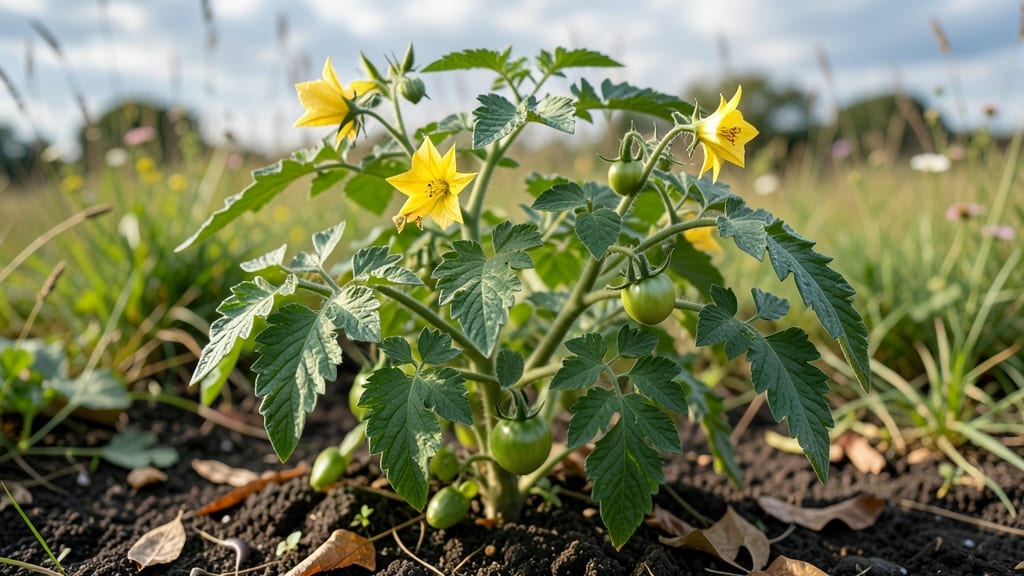
Turning tomato flowers into fruit in just 20 days starts with understanding how nature—and your garden—actually works. 🌱 The process isn't magic; it's about creating the perfect conditions for pollination, then giving those tiny blossoms everything they need to swell into ripe tomatoes.
I've watched my own plants go from flower to fruit in record time by tweaking just a few key factors, and I'm sharing exactly how it works.
Here's the deal: tomatoes need three things to set fruit reliably—pollination, warmth, and balanced nutrients. Without bees buzzing around (or your help with a paintbrush), those flowers just drop. Too much nitrogen?
You'll get lush leaves but no tomatoes. The right temperature and humidity make all the difference, and I'll show you how to dial them in for maximum success—even in your backyard or greenhouse.
By the end of this, you'll know exactly what to do when you see those first white blossoms appear. You'll spot the signs of poor pollination before it happens, and you'll have a foolproof method to turn every flower into a fruit—no more wasted blooms or empty vines.
The payoff? A harvest that starts sooner and keeps coming all season long.
Whether you're dealing with a single potted plant or a full greenhouse, these techniques work. The key is paying attention to the little details that most gardeners overlook—like when to hand-pollinate, how to fix dropped flowers, and why your tomatoes might be staying small. Let's get those flowers producing!
📚 In This Guide
- What you need
- Instructions
- Tips and common mistakes
- Wrapping up and next steps
What you need
- ● Tomato plants – Choose fast-maturing varieties like Early Girl or Cherry Tomatoes (1-2 plants per container).
- ● Potting mix – 5-10 gallons of well-draining, nutrient-rich soil (look for labels like "organic potting mix" or "vegetable garden soil").
- ● Containers or garden bed – 5-gallon pots (1-2 per plant) or a raised bed with full sun exposure (6+ hours/day).
- ● Watering can or hose – With a gentle spray nozzle to avoid damaging flowers.
- ● Fertilizer – Balanced liquid fertilizer (10-10-10 or 5-5-5) or organic options like fish emulsion or compost tea.
- ● Hand pruners – Sharp, clean pruners to trim suckers and dead foliage.
- ○ Grow lights (optional but helpful) – LED grow lights (12-16 hours/day) for indoor setups.
- ● Pollination aid – A small paintbrush or vibrating tool to hand-pollinate flowers (if bees aren’t visiting).
- ● Plant supports – Stakes or cages to keep plants upright as fruit develops.
- ● Mulch – Straw or shredded leaves to retain moisture and regulate soil temperature.
- ● pH test kit – To ensure soil pH is between 6.0-6.8 (ideal for tomatoes).
- ● Calcium supplement – Like crushed eggshells or calcium nitrate to prevent blossom-end rot.
How to turn tomato flowers into fruit in 20 days
Here’s my proven method to accelerate fruit set and harvest—no shortcuts, just smart care.
☀️ Step 1: Boost Pollination for Stronger Blooms
Tomatoes need help when humidity or wind keeps bees away. On cloudy days or in greenhouses, I gently shake plants at 7 AM and 4 PM—this mimics natural pollen transfer. For indoor growers, use a small paintbrush to dab each flower’s center for 3-5 seconds per bloom. Focus on flowers that open fully in the morning; these are primed for fruit.
Watch for yellow stamens (the pollen-bearing parts) and white petals—these are your best candidates. Avoid touching flowers that still feel fuzzy or closed; they won’t set fruit yet. If you see drooping flowers, they’re stressed—water deeply at the base the next morning to revive them.
💧 Step 2: Water and Fertilize for Fruit Development
Once flowers are pollinated, consistent moisture is critical. Water at the base only, keeping the soil evenly damp (not soggy) to 1 inch deep. I use a moisture meter to check—if it reads 40-50%, it’s perfect. Overhead watering can wash away pollen or cause blossom-end rot later.
Feed with a balanced liquid fertilizer (10-10-10) diluted to half-strength every 7-10 days. Look for swollen calyxes (the leafy base where the flower sat)—this signals fruit is forming. If new leaves turn yellow, flush the soil with water to prevent salt buildup from fertilizer.
⏰ Step 3: Monitor Temperature and Light for Speed
Keep daytime temps between 70-85°F and nights above 55°F—below 50°F, flowers drop without setting fruit. If your home runs cooler, place plants near a south-facing window or under a grow light for 14-16 hours daily. You’ll see fruit double in size within 10 days if conditions are ideal.
Rotate plants quarter-turn weekly so all sides get even light. Leggy stems or pale fruit mean your light is too weak—move the plant closer than 6 inches to the source. Watch for green shoulders on tomatoes; this means they need 1-2 more weeks of sun to ripen fully.
✂️ Step 4: Prune and Support for Faster Growth
Remove suckers (the shoots between main stems and branches) to redirect energy to fruit. Use clean pruners to snip at the base—never tear them, or you’ll damage the plant. Limit each vine to 2-3 main stems for better airflow and larger tomatoes.
Install cages or stakes immediately if you haven’t already. Fruit heavier than 1 ounce needs support, or stems will snap. Tie vines to stakes with soft plant ties every 4-6 inches—this prevents bruising. If you see cracked fruit, reduce watering slightly and harvest sooner.
🌱 Step 5: Harvest at Peak Ripeness for Best Flavor
Tomatoes are ready when they yield slightly to gentle pressure and develop full color (red, yellow, or purple, depending on variety). I check every 2-3 days starting 18-20 days after pollination—missed fruit won’t ripen off the vine. Use scissors to cut stems cleanly to avoid disease entry.
Store ripe tomatoes at room temperature for 2-3 days max—they’ll soften if left too long. For unripe fruit, place in a paper bag with a banana to speed ripening via ethylene gas. If you see white mold on fruit, remove it immediately and improve airflow by pruning more aggressively.
Tips & tricks for perfect tomato fruit development
Real talk: Turning tomato blooms into fruit takes patience, but these tricks will help you maximize every flower's potential while avoiding common pitfalls.
Pollination Precision: In Step 1, focus on fully open flowers with white petals and visible yellow stamens—these are your best candidates for fruit set. I've found that using a soft paintbrush works better than shaking for indoor plants because it gives you more control. The 3-5 seconds per bloom is crucial; too little time won't transfer enough pollen, while too much can damage delicate stamens. For greenhouse growers, I recommend doing this pollination routine at both 7 AM and 4 PM to catch the morning's freshest blooms.
Temperature Troubleshooting: The 70-85°F daytime range in Step 3 is ideal, but if your home runs cooler, consider using a small space heater near the plants during the day—just keep it away from leaves. I learned this the hard way after seeing flowers drop at 50°F. For nighttime temps, a simple thermometer placed near the plants helps monitor conditions. If you notice flowers wilting in the evening, they're likely too cold—try moving them to a warmer spot or using a heat mat if growing indoors.
Light Optimization: The 14-16 hours of daily light requirement can be tricky with indoor growing. I've had success using a combination of natural south-facing windows and a basic LED grow light on a timer. Place the grow light within 6 inches of the plant's tallest point for even coverage. Rotate your plants quarter-turn weekly to prevent them from leaning toward one light source. If you notice stems growing leggy or fruit staying pale, you're probably not providing enough light—this is your plant's way of telling you to move it closer to the light source.
Harvest Timing: The 18-20 day window after pollination is when tomatoes reach peak ripeness, but don't wait until the last minute. Check every 2-3 days starting at day 16—ripe tomatoes yield slightly to gentle pressure and develop vibrant color. I've found that harvesting in the morning gives you the freshest fruit, as nighttime cooling can sometimes cause slight softening. For varieties with green shoulders, these will turn color last—don't be tempted to harvest before they're fully ripe, as they won't improve off the vine.
Pro Tips for Tomato Flower To Fruit
- Real talk: Turning tomato blooms into fruit takes patience, but these tricks will help you maximize every flower's potential while avoiding common pitfalls.
- Pollination Precision: In Step 1, focus on fully open flowers with white petals and visible yellow stamens—these are your best candidates for fruit set.
- Temperature Troubleshooting: The 70-85°F daytime range in Step 3 is ideal, but if your home runs cooler, consider using a small space heater near the plants during the day—just keep it away from leaves.
Frequently asked questions
Got questions about turning tomato flowers into fruit faster? You’re not alone! Here are some of the most common concerns—and straightforward answers—to help you grow juicy tomatoes in record time.
Why aren’t my tomato flowers turning into fruit?
If your flowers aren’t developing into tomatoes, it could be due to pollination issues (especially in greenhouses or rainy weather), temperature stress (below 55°F or above 95°F), or lack of nutrients. Hand-pollinate with a small brush or gently shake plants to help. Also, check for pests like aphids or mites that may be interfering.
How long does it take for tomato flowers to become fruit?
Under ideal conditions (warmth, sunlight, and proper care), tomato flowers typically turn into fruit in 14–21 days. If you’re using growth accelerators like fish emulsion or humic acid, you might see fruit development in as little as 10–14 days. Patience is key—consistent care makes all the difference!
Can I speed up the process naturally, without chemicals?
Try these organic hacks to encourage faster fruit set:
- Boost pollination: Tap flowers gently or attract bees with native plants.
- Warmth trick: Use black plastic mulch or row covers to raise soil temps.
- Balanced feeding: Feed with a low-nitrogen, high-phosphorus fertilizer (like 5-10-10) to support flowering and fruiting.
- Prune strategically: Remove suckers to redirect energy to existing flowers.
What should I do if my tomato flowers drop off before fruiting?
Flower drop is often caused by stress—think overwatering, underwatering, extreme temps, or nutrient deficiencies. Adjust your watering schedule (keep soil moist but not soggy) and ensure consistent temps between 70–85°F. A balanced fertilizer with micronutrients (like calcium) can also help prevent blossom end rot, which stresses plants.
Can I force tomato flowers to fruit indoors under grow lights?
Yes, but you’ll need to mimic outdoor conditions closely. Use full-spectrum LED grow lights (12–16 hours/day) and maintain temps between 70–80°F. Hand-pollinate flowers with a cotton swab, and use a high-phosphorus fertilizer to encourage fruiting. Indoor tomatoes may take slightly longer (21–28 days) due to limited airflow, so ensure good ventilation to prevent diseases.
Wrapping up and next steps
Transforming a tomato flower into a ripe fruit in just 20 days isn’t just possible—it’s a rewarding journey that blends science, patience, and a little green-thumb magic! 🌱 By understanding the stages of pollination, nurturing your plants with the right care, and troubleshooting common hurdles, you’re well on your way to a bountiful harvest.
Whether you’re a seasoned gardener or a curious beginner, every healthy bloom is a step closer to juicy tomatoes on your plate.
Ready to speed up your harvest? Start by observing your plants daily—note which flowers are pollinating and track their progress. Next time you’re in the garden, grab a few ripe tomatoes and share the joy (or the recipe!) with fellow plant lovers. Happy growing! 🍅✨