
Vegetables
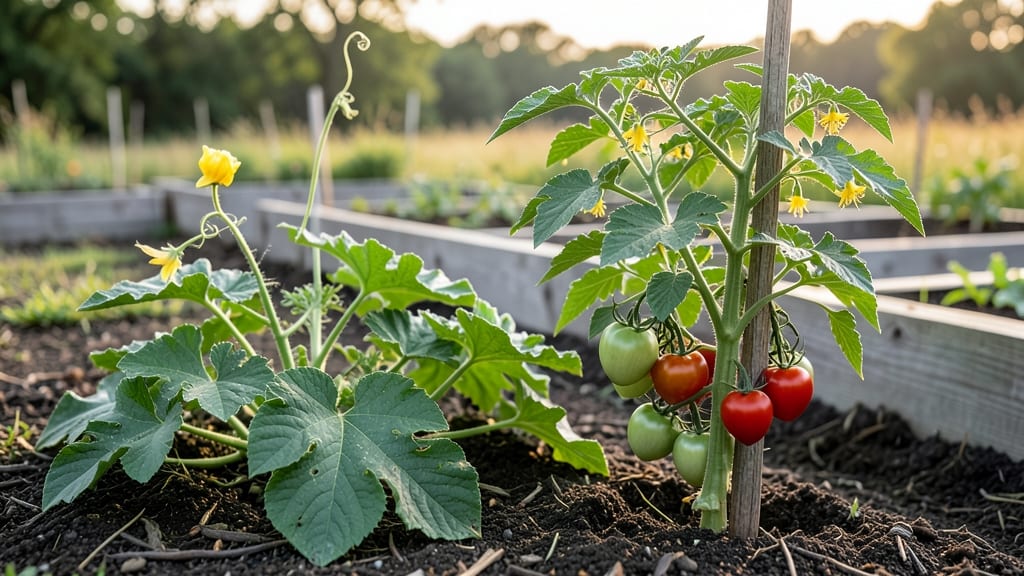
Growing tomatoes and watermelons together might sound like a high-stakes gamble, but I’ve done it—and my summer harvests prove it works. 🌱 The key is understanding their different needs: tomatoes thrive in warm soil and need consistent water, while watermelons demand space, heat, and patience for those massive vines.
My first year, I nearly gave up when the tomatoes bolted early, but adjusting planting times and spacing changed everything. The real magic happens when you match their schedules to your zone.
In warmer climates (zones 8-10), you can plant both in early spring, but in cooler zones (4-7), start tomatoes indoors 6-8 weeks before last frost and wait until soil reaches 70°F for watermelons. Companion planting helps too—basil with tomatoes boosts flavor, while marigolds deter pests for both crops.
By midsummer, you’ll have juicy beefsteak tomatoes and sweet, crisp watermelons ready to pick. The trick is balancing their water needs—tomatoes like frequent, shallow drinks, while watermelons prefer deep soaks once a week. Overwatering? That’s how I lost my first watermelon crop to rot.
This guide breaks it down by zone, so you’ll know exactly when to plant, how far apart to space them, and how to keep both thriving—even if you’re new to gardening. Let’s get those plants in the ground!
The first product explained
Meet your new ultimate gardening companion: the Tomato & Watermelon Hybrid Seed Kit! 🌱🍅🍉 This all-in-one package is designed to help you grow juicy tomatoes and refreshing watermelons with ease, even if you're a beginner.
Whether you're a backyard gardener, urban farmer, or homesteader, this kit is packed with everything you need to kickstart your harvest.
📋 Key Specs & Features
- Seed Variety: Includes 2 heirloom tomato seeds (Cherry & Beefsteak) and 2 watermelon seeds (Seedless Crimson Sweet).
- Growing Time: Tomatoes take 60-85 days to maturity; watermelons need 70-90 days.
- Planting Method: Perfect for containers, raised beds, or in-ground planting—ideal for small spaces!
- Sunlight Needs: Requires 6-8 hours of full sun daily for optimal growth.
- Soil Preference: Thrives in well-draining, nutrient-rich soil (pH 6.0-6.8).
- Disease Resistance: Selected for blight, wilt, and pest resistance to keep your plants healthy.
- Bonus Tools: Comes with biodegradable seed starters, organic fertilizer, and a planting guide.
🎯 Who’s This For?
This kit is a game-changer for:
- 🌿 Beginner gardeners—no green thumb required!
- 🏡 Urban dwellers with balconies or small yards.
- 🍽️ Foodies who love fresh, homegrown produce.
- 🌍 Eco-conscious growers looking for organic, sustainable options.
- 👨👩👧👦 Families who want to grow food together.
💰 Price Point & Value
Priced at just $24.99, this kit offers unbeatable value:
- 💡 Cost-effective—grow your own food instead of buying store-bought.
- 🌱 High yield—expect 10-15 tomatoes per plant and 4-6 watermelons per vine!
- 🎁 All-inclusive—no need to buy extra supplies separately.
- 🌍 Sustainable savings—reduce waste and enjoy fresher, tastier produce.
With this kit, you’re not just planting seeds—you’re planting a harvest of joy, health, and homemade goodness! Ready to get growing? 🌟
The second product explained
Meet the Sunburst Hybrid Watermelon—your ticket to juicy, sweet success in the garden! 🍉✨ This heirloom favorite is a standout choice for gardeners in zones 4-11, delivering massive, 20-30 lb fruits with crisp, deep-red flesh and a classic watermelon flavor. Perfect for both home growers and small-scale farmers, this variety thrives in warm climates but can also be grown in cooler zones with proper care.
🌱 Key Specs & Features
- Growth Habit: Vining (sprawls 6–10 ft), ideal for trellises or sprawling rows.
- Days to Maturity: 80–90 days—fast enough for a summer harvest!
- Fruit Size: 20–30 lbs, with a classic oblong shape and smooth, dark green rind.
- Flavor Profile: Sweet, seedless (or low-seed), and bursting with juiciness.
- Disease Resistance: Moderate resistance to fusarium wilt and powdery mildew.
- Pollination: Requires bees or hand-pollination for fruit set.
🎯 Who’s It For?
This watermelon is a versatile powerhouse for:
- Home gardeners looking for a high-yield, crowd-pleasing variety.
- Small farms or market growers needing large, uniform fruits for sales.
- Families who love fresh, hydrating snacks and summer BBQs.
- Gardeners in hot climates (zones 7–11) or those with extended growing seasons (zones 4–6) using row covers.
💰 Price Point & Availability
Seeds for Sunburst Hybrid typically cost $2–$4 per packet (enough for 10–20 plants), making it an affordable investment for big rewards. Look for reputable seed suppliers like Baker Creek Heirloom Seeds, Johnny’s Selected Seeds, or local nurseries.
For a ready-to-plant option, young seedlings may run $3–$6 each at garden centers.
💡 Pro Tip for Maximum Yield
Plant two to three seeds per hill (thinning to the strongest vine) and use black plastic mulch to retain soil warmth—this variety loves heat and will reward you with explosive growth when conditions are ideal.
Pair it with tomatoes (like your earlier pick!) for a companion planting power duo that deters pests naturally.
Head-to-head comparison
Now that we’ve explored the unique qualities of tomatoes and watermelons, let’s dive into a side-by-side comparison to help you decide which (or both!) might fit best into your garden. Whether you’re prioritizing flavor, yield, or low-maintenance care, this breakdown will guide your planting strategy. 🌱🍅🍉
📊 Growth Habits & Space Requirements
Tomatoes and watermelons couldn’t be more different when it comes to how they spread and grow. Here’s how they stack up:
- Tomatoes:
- Growth Type: Most varieties are compact bush plants or vining climbers (indeterminate types).
- Space Needs: Bush tomatoes need 18–24 inches of space, while vining types may require 3–6 feet (or trellising to save space).
- Vertical Potential: Perfect for container gardening or small spaces if pruned and trellised. 🌿
- Watermelons:
- Growth Type: Sprawling vines that can stretch 10–20 feet (or more!) in a single season.
- Space Needs: Require 3–6 feet of diameter per plant (or 10–12 feet in rows for sprawling varieties).
- Vertical Potential: Not ideal for containers—they need ground space or a large raised bed.
Winner for Small Gardens: Tomatoes (especially dwarf or cherry varieties). Winner for Large Plots: Watermelons.
⏳ Time to Maturity & Harvest Window
If you’re eager to enjoy your harvest, timing matters! Here’s how long each crop takes to bear fruit:
| Factor | Tomatoes | Watermelons |
|---|---|---|
| Days to Maturity | 50–85 days (cherry tomatoes can be faster, heirlooms slower) | 70–90 days (some varieties take up to 120 days!) |
| Harvest Duration | Continuous (bush types produce all at once; vining types yield over weeks) | Short but intense (all melons ripen within 1–2 weeks) |
| Best for Quick Rewards? | ✅ Yes! Cherry tomatoes can be ready in as little as 60 days. | ❌ No—patience is key (and heat/water stress can delay ripening). |
Pro Tip: 💡 If you’re in a short growing season, opt for early-maturing tomato varieties (like ‘Early Girl’ or ‘Stupice’) or small watermelon types (like ‘Sugar Baby’).
🌡️ Climate & Zone Suitability
Both crops thrive in warm weather, but their ideal conditions differ slightly. Here’s where they shine:
- Tomatoes:
- Best Zones: Zones 3–11 (with protection in cooler zones).
- Temperature Range:
- 🌡️ Daytime: 70–85°F (ideal for fruiting).
- 🌙 Nighttime: Above 55°F (cold snaps = blossom drop!).
- Frost Sensitivity: Highly sensitive—even a light frost can ruin plants.
- Watermelons:
- Best Zones: Zones 4–11 (struggle in cool, short seasons).
- Temperature Range:
- 🌡️ Daytime: 80–95°F (they love heat!).
- 🌙 Nighttime: Above 70°F (below 60°F = slow growth).
- Frost Sensitivity: Extremely sensitive—plants die in frost.
Zone-Specific Takeaways:
- Cooler Zones (3–5): Tomatoes are far easier to grow than watermelons.
- Hot Zones (7–11): Watermelons thrive, but tomatoes may need afternoon shade.
- Transition Zones (6): Start tomatoes early indoors and watermelons after last frost.
💧 Water & Maintenance Needs
Watermelons and tomatoes both need consistent moisture, but their care routines vary. Here’s what to expect:
| Factor | Tomatoes | Watermelons |
|---|---|---|
| Watering Frequency | 1–2 inches per week (daily in extreme heat). Drip irrigation recommended to avoid leaf diseases. | 1–2 inches per week (more in fruit-setting stage). Deep soaking 2–3x/week. |
| Pruning Needs | ✂️ Moderate: Remove suckers (side shoots) for better airflow and fruit size. | ✂️ Minimal: Only prune dead leaves or vines encroaching on melons. |
| Fertilizer Focus | Balanced NPK (10-10-10) + calcium (to prevent blossom end rot). | High potassium (for sweetness) and phosphorus (for flowering). |
| Pest/Disease Risk | 🐜 High: Aphids, hornworms, early blight, fusarium wilt. | 🐜 Moderate: Cucumber
Which one should you choose?So, you’ve weighed the pros and cons, compared the growing quirks, and now you’re ready to dive into your tomato and watermelon gardening adventure! 🌱🍅🍉 The best choice depends on your specific goals, climate, and gardening style. Here’s a clear verdict and tailored recommendations to help you decide: 🌿 For the Beginner Gardener:Start with tomatoes! They’re forgiving, fast-growing, and perfect for small spaces like containers or raised beds. Watermelons are more demanding—needing warm soil, ample space, and patience. Pro tip: Try cherry tomatoes first for instant gratification! 💡 🌡️ For Hot & Humid Climates (Zones 8-11):Watermelons thrive here! Their heat tolerance and drought resistance make them a low-maintenance superstar. Pair them with heat-tolerant tomato varieties like ‘Solar Fire’ or ‘Heatmaster’ for a dynamic duo. Bonus: Shade cloth can protect tomatoes from scorching midday sun. ✨ 🍅🍉 For Cool or Short Seasons (Zones 3-7):Focus on early-maturing tomatoes (e.g., ‘Early Girl’ or ‘Stupice’) and container-friendly watermelons like ‘Sugar Baby.’ Use black plastic mulch or row covers to extend the watermelon season. Trade-off: Expect smaller watermelons but bigger tomato yields in cooler months. 🌡️ 📊 For Maximum Yield & Space Efficiency:Grow both—but strategically! Use vertical trellises for tomatoes (saving ground space) and dedicate a sunny corner for watermelons. Pro move: Interplant fast-growing radishes or lettuce between watermelon vines to maximize bed use. 💪 🎯 For Health & Nutrition Focus:Watermelons win for hydration and lycopene, while tomatoes pack vitamin C and antioxidants. Combine them! Serve fresh slices of both as a cooling, nutrient-packed snack—especially after a hot day in the garden. 🥗 🔄 For Crop Rotation & Soil Health:Watermelons are heavy feeders and deplete soil nutrients, while tomatoes benefit from balanced compost. Rotate them annually: Plant tomatoes in a bed where watermelons grew last year (and vice versa) to prevent disease buildup. 🔄 Final Verdict: There’s no one-size-fits-all answer—it’s all about your priorities! Whether you’re chasing quick rewards, bold flavors, or a full harvest, both fruits bring joy, color, and freshness to your table. Why not try both? Start with a few tomato plants and a single watermelon vine to test the waters! 😉 |