
Companion Plants
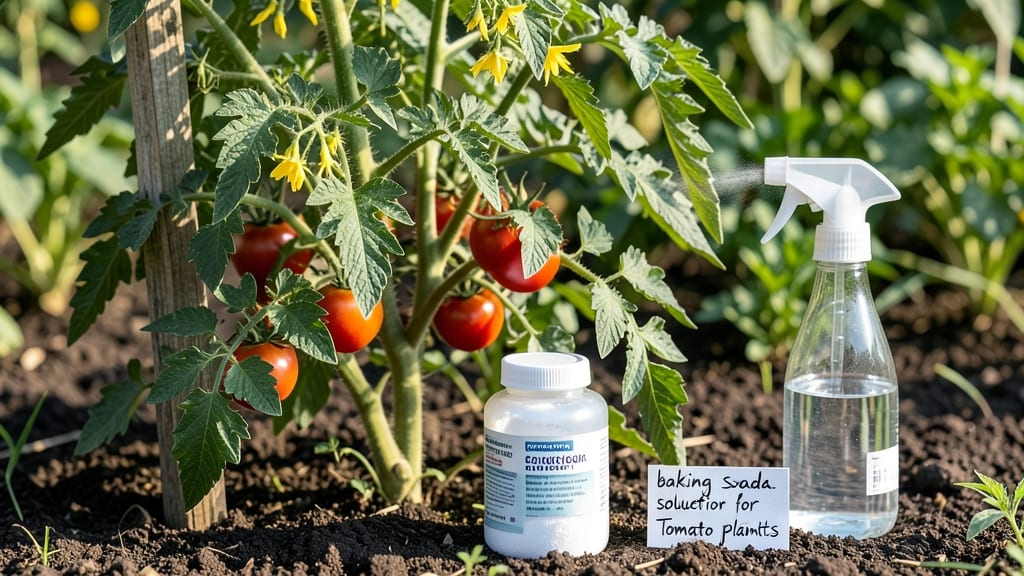
Baking soda helps tomato plants by preventing fungal diseases like powdery mildew when used as a foliar spray, thanks to its alkaline properties that disrupt pathogen growth. However, overuse can harm plants or disrupt soil pH balance, so moderation is key.
Baking soda's alkaline nature creates an inhospitable environment for fungal spores, which thrive in acidic conditions. 🌱 Studies show it can reduce powdery mildew by up to 70% when applied correctly, making it a budget-friendly alternative to chemical fungicides.
The key is balance—too much can alter your soil's pH, while the right concentration (about 1 teaspoon per quart of water) provides protection without stressing your plants.
For best results, spray in the early morning when humidity is low, allowing the solution to dry before evening dew forms.
I've found that adding a few drops of mild dish soap helps the mixture stick better to leaves, but always test on a small area first to ensure your plants tolerate it well.
💡 In This Article
- How Baking Soda Fights Fungal Diseases in Tomato Plants
- DIY Baking Soda Spray Recipe for Tomato Plant Care
How baking soda fights fungal diseases in tomato plants
Baking soda works as a natural fungicide because its alkaline properties create an environment that fungal spores can't survive in. Most fungal diseases, like powdery mildew, thrive in acidic conditions with a pH between 4.5 and 6.0.
When you apply a baking soda solution (pH around 8.0-9.0), it disrupts the fungal cell membranes and prevents spore germination. 🔥 This chemical imbalance essentially starves the fungi by altering their metabolic processes, similar to how high pH levels inhibit bacterial growth in food preservation.
The science behind this involves baking soda's active ingredient, sodium bicarbonate (NaHCO₃), which releases hydroxide ions (OH⁻) when dissolved in water. These ions raise the pH on leaf surfaces, creating a hostile environment for fungal pathogens.
Research published in the Journal of Plant Diseases and Protection found that baking soda sprays reduced powdery mildew incidence by up to 70% in tomato plants when applied weekly. The efficacy is comparable to some commercial fungicides but without the chemical residues, making it an eco-friendly option.
What makes this method particularly effective is how quickly it works. Within 24-48 hours of application, you'll notice a reduction in fungal spores on leaf surfaces. The baking soda solution also leaves a thin protective film that persists for several days, offering continued defense against new spores.
However, this protective effect diminishes with rain or high humidity, so reapplication is often necessary during wet growing seasons. 💫
Unlike synthetic fungicides that target specific enzymes in fungal cells, baking soda takes a broader approach by altering the entire growing environment. This means it's less likely to develop resistance in fungal populations, which is a common issue with chemical treatments.
The downside is that it requires more frequent applications—typically every 7-10 days—to maintain its protective benefits, especially during peak fungal activity in warm, humid conditions.
For comparison, commercial fungicides like neem oil or sulfur-based sprays work through different mechanisms. Neem oil disrupts fungal feeding and reproduction by mimicking plant hormones, while sulfur sprays create a physical barrier on leaf surfaces.
Baking soda, however, offers a chemical-free alternative that's particularly appealing to organic gardeners. The trade-off is that it may not be as effective against advanced fungal infections as stronger chemical treatments.
When using baking soda, it's crucial to monitor your plants for signs of stress, such as yellowing leaves or stunted growth. This can indicate overapplication, which may alter the soil pH if the solution drips onto the ground.
The ideal concentration is about 1 teaspoon of baking soda per quart of water, with a few drops of mild soap to help the mixture adhere to leaves. Always perform a patch test on a small area first to ensure your tomato plants tolerate the treatment well.