
Planting
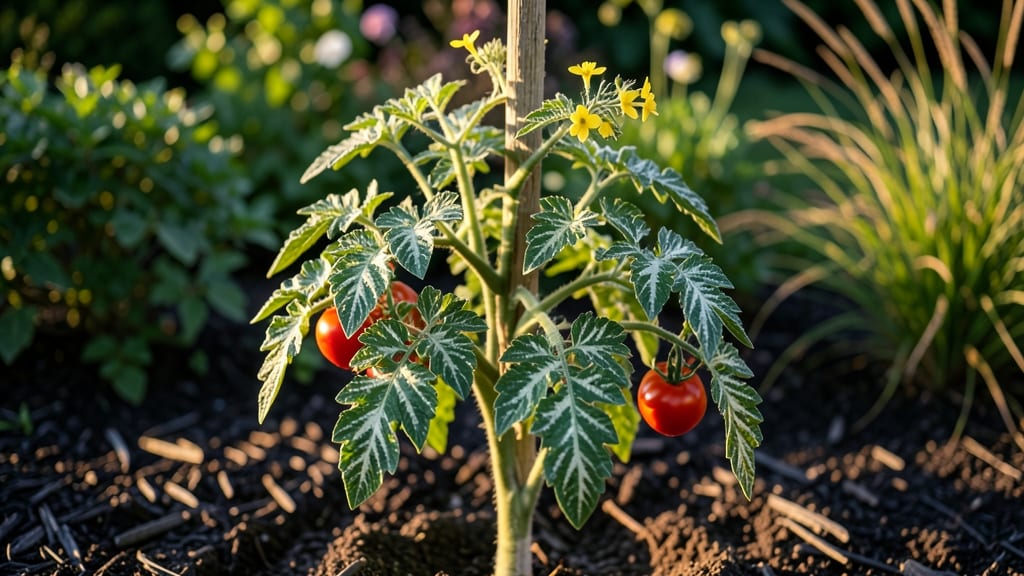
Growing striped tomato plants turns your patio into a showstopper. 🌱 These bold varieties like 'Indigo Rose' and 'Black Krim' aren't just pretty—they pack deep, smoky-sweet flavors that standard red tomatoes can't match. The key? Containers with perfect drainage, rich soil, and a sunny spot that mimics their native warmth.
Unlike regular tomatoes, these striped beauties thrive in pots as long as you give them 10-15 gallons of space and a sturdy trellis. They grow taller but produce fewer fruit clusters, so focus on pruning suckers early to direct energy into vibrant, flavor-packed tomatoes.
The striped skin isn't just decorative—it signals a thicker, meatier fruit perfect for slicing.
Water consistently but avoid soggy soil—their roots hate sitting wet. A 5-10-10 fertilizer every 3 weeks keeps them productive, and the unique purple-black hues deepen as they ripen. You'll harvest earlier than heirlooms and with less cracking, even in hot summers.
Works for balconies, rooftops, or sunny windowsills—just swap varieties for cooler zones. The striped varieties stay compact enough for containers but still deliver restaurant-quality tomatoes straight from your porch. Ready to grow something stunning?
The Real Culprits Behind Stripes
If your tomato plants are showing off those stunning striped patterns, you’re likely growing a variety bred for visual drama—but those stripes aren’t just for show. They’re often the result of careful genetics, environmental cues, or even a clever trick of nature to attract pollinators.
Let’s break down the science behind why your tomato leaves (or fruit!) might be sporting bold stripes.
Most striped tomato varieties—like ‘Indigo Rose’ or ‘Black Krim’—get their patterns from selective breeding. Plant breeders cross tomatoes with wild relatives (such as Solanum habrochaites, a species known for its anthocyanin-rich foliage) to introduce anthocyanins, the pigments that create purple, red, or black stripes.
These compounds aren’t just for aesthetics; they:
- Protect leaves from UV damage by acting as natural sunscreen.
- Help regulate temperature—stripes can reduce heat absorption in hot climates.
- Attract pollinators like bees, which are drawn to the contrast of striped foliage.
💡 Pro Tip: If you’re growing striped tomatoes from seed, look for heirloom or hybrid varieties labeled for foliar anthocyanins. These plants often produce darker, more vibrant stripes when grown in cooler temperatures or with adequate sunlight.
Stripes can also appear (or intensify) due to environmental stress, particularly:
- Sunlight exposure: Anthocyanins ramp up when plants are directly exposed to UV rays. Think of it like a tomato’s way of slathering on SPF. Varieties like ‘Cherokee Purple’ develop deeper stripes when grown in full sun.
- Temperature fluctuations: Cooler nights (below 70°F) trigger anthocyanin production. If your container garden swings between hot days and chilly evenings, those stripes will likely darken.
- Water stress: Mild drought or inconsistent watering can concentrate pigments along leaf veins, creating a striped effect. This is especially true for determinate varieties, which are more sensitive to moisture swings.
🎯 Actionable Fix: If your stripes are too intense (a sign of stress), ensure your container has well-draining soil and a consistent watering schedule. A 5-gallon pot with coco coir or peat-based mix helps maintain moisture without waterlogging.
While stripes are usually a desirable trait, an overabundance of certain nutrients can sometimes trigger unexpected pigmentation. Specifically:
| Nutrient | Effect on Stripes | How to Adjust |
|---|---|---|
| Phosphorus (P) | Excess P can enhance anthocyanin production, making stripes darker or more widespread. | Use a balanced fertilizer (10-10-10) or fish emulsion sparingly. Avoid high-P amendments like bone meal. |
| Potassium (K) | Low K can cause uneven stripe development, especially in younger leaves. | Add wood ash (sparingly) or kelp meal to boost potassium. |
| Magnesium (Mg) | Deficiency leads to yellowing between veins, which can mask stripes or make them appear patchy. | Apply Epsom salt (1 tbsp/gallon) every 4 weeks. |
✨ Bonus: If your stripes are fading, a foliar spray with liquid seaweed can stimulate anthocyanin production naturally.
Some striped tomato varieties (like ‘Brandywine’ or ‘Pineapple’) develop their patterns to attract pollinators. The high-contrast stripes:
- Create visual landmarks for bees navigating the plant.
- Reflect UV light, making flowers more visible to insects.
- Indicate healthy, nutrient-rich foliage, which bees prefer.
🔥 Grower Hack: If your striped tomatoes aren’t setting fruit, plant companion flowers like basil or marigolds nearby to boost bee traffic. The stripes + scent combo = pollination party!
Quick Fixes for Striped Tomato Woes
Striped tomato plants—with their striking, variegated foliage—are a gardener’s dream, but they can also bring unique challenges. Whether your plant’s stripes are fading, growth is stunted, or pests are taking over, these targeted solutions will help you revive your striped tomato and keep it thriving in containers.
If your tomato plant’s signature stripes are dulling or disappearing, it’s often a sign of nutrient imbalance or stress. Here’s how to bring back that bold beauty:
🔥 Boost Chlorophyll for Vibrant Stripes
Striped tomato leaves rely on chlorophyll balance for their eye-catching patterns.
If the stripes fade, the plant may need: - A balanced fertilizer (10-10-10 or 5-5-5) to support overall health. - Extra magnesium (Epsom salt solution: 1 tbsp per gallon of water, applied every 2–4 weeks) to enhance chlorophyll production. - Morning sunlight (6–8 hours daily) to prevent stress-induced stripe loss.
💡 Prevention Tip:
Avoid over-fertilizing with nitrogen-heavy feeds—this can dilute the plant’s natural variegation. Stick to organic compost or slow-release granules for steady nutrition.
If your striped tomato plant is tall but weak or slow to fruit, it’s likely suffering from light deprivation or poor support. Try these fixes:
🍳 Optimize Light Exposure
- Move containers to a sunnier spot (south or west-facing is ideal).
- Use reflective surfaces (like white walls or mirrors) to bounce extra light onto the plant.
- Supplement with grow lights (12–16 hours/day) if natural light is insufficient.
👨🍳 Provide Strong Support Early
Striped tomatoes need sturdy cages or trellises to prevent sprawling and breakage.
- Install a cage at planting time (avoid retrofitting later—it stresses the plant).
- Prune suckers (side shoots) to direct energy to fruit production.
- Use tomato clips or soft ties to secure vines to supports gently.
⏰ Adjust Watering for Stability
- Water deeply but infrequently (1–2 inches per week) to encourage strong root growth.
- Avoid overhead watering—wet leaves attract pests and fungal diseases.
🎯 Prevention Tip:
Start with a larger container (5+ gallons)—striped tomatoes need room for roots to stabilize. Shallow pots lead to leggy, top-heavy plants.
Variegated leaves can attract pests like aphids, spider mites, or whiteflies, which thrive in the crevices of striped foliage. Here’s how to evict them:
🔪 Natural Pest Control Methods
- Neem oil spray (1 tsp neem oil + 1 tsp mild soap per quart of water) to suffocate pests.
- Introduce beneficial insects (ladybugs or lacewings) for long-term defense.
- Blast off pests with a strong spray of water (early morning works best).
🌡️ Prevent Fungal Issues
Striped tomatoes are prone to blight or powdery mildew due to their dense foliage.
- Space plants 18–24 inches apart for airflow.
- Remove yellow or diseased leaves immediately to stop spread.
- Apply copper fungicide (organic option) as a preventive spray every 2 weeks.
✨ Prevention Tip:
*Rotate your containers** each season to disrupt pest life cycles. Pests often return to the same soil!
Since striped tomatoes are often grown in pots, root-bound stress and drainage issues can derail their growth. Fix these common container problems:
🔥 Refresh the Soil Annually
- Replace old soil with fresh, well-draining potting mix (add perlite or vermiculite for aeration).
- Top-dress with compost every 4–6 weeks for nutrients.
⏰ Check Drainage Holes
- Ensure pots have drainage holes—striped tomatoes hate soggy roots.
- Use saucers with gravel to prevent waterlogging.
💡 Prevention Tip:
Choose self-watering containers or wicking systems to maintain consistent moisture without overwatering.*
By addressing these common issues head-on, your striped tomato plant will bounce back with bold stripes, strong growth, and a bounty of flavorful fruit. Happy gardening! 🍅✨
Frequently asked questions
What are the most popular varieties of striped tomato plants?
Top choices include 'Indigo Rose' (purple-striped, sweet fruit), 'Black Krim' (dark green with purple stripes, smoky flavor), and 'Cherokee Purple' (deep red-purple, heirloom favorite). For containers, 'Tumbling Tom' (compact) or 'Sungold Cherry' (golden-yellow with green stripes) work beautifully.
Can striped tomato plants grow in containers, and how big should the pot be?
Yes! They thrive in containers with at least 5-15 gallons of space. Dwarf varieties like 'Tumbling Tom' need 5 gallons, while larger types require 10-15 gallons. Use pots with drainage holes and a trellis to support their height.
Why are my striped tomato leaves turning yellow between the veins?
This usually signals a magnesium deficiency. Fix it by applying Epsom salt (1 tbsp/gallon of water) every 4 weeks or using a balanced fertilizer. Overwatering or poor drainage can also cause this. Check your pot's drainage and adjust watering to 1-2 inches per week.
Do striped tomatoes taste different from regular tomatoes?
Varieties like 'Black Krim' have a rich, smoky-sweet flavor, while 'Indigo Rose' offers a bright, tangy taste. The stripes come from anthocyanins, which also enhance flavor complexity. They're perfect for slicing, sauces, or fresh eating.
How do I encourage more fruit production in my striped tomato plant?
Prune suckers (side shoots) early to focus energy on fruit. Use a balanced fertilizer (5-10-10) every 3 weeks and ensure 6-8 hours of sunlight daily. Hand-pollinate flowers by gently shaking them if bees aren't visiting. Avoid overwatering, which can reduce fruit set.