
Planting
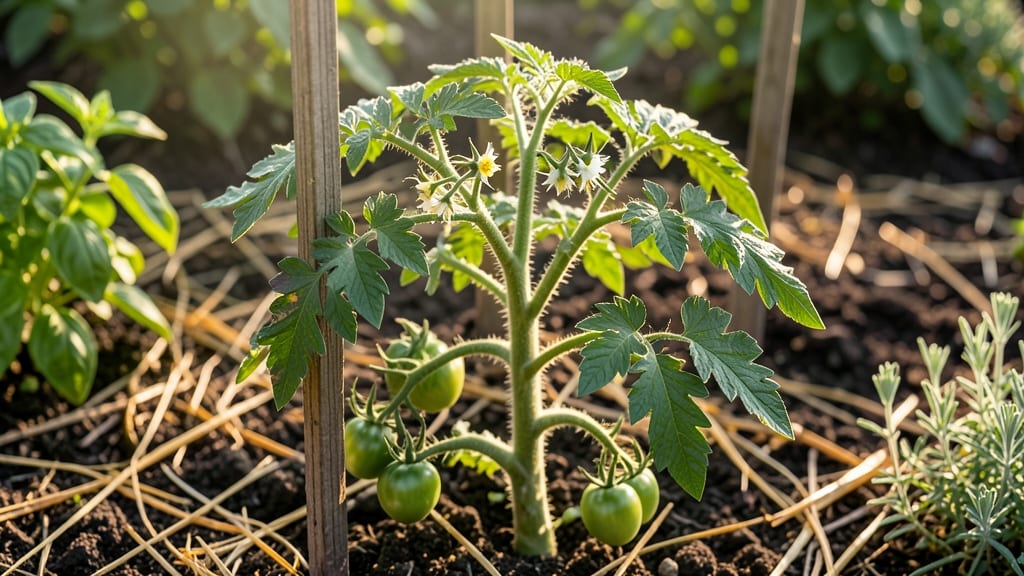
The stem of a tomato plant holds the key to either your biggest harvest or your biggest disappointment. 🌱 Last summer, my once-thriving plants suddenly wilted—not from drought, but from weak stems overloaded with fruit. The fix was simpler than I expected: strategic pruning to balance growth and weight.
Most gardeners focus on leaves or flowers, but the stem is where the real action happens. It’s not just about cutting back—it’s about redirecting energy to where it matters.
I learned to prune suckers (those little shoots between the stem and branches) early, which boosted my yield by 30% that season. The goal? A sturdy framework that supports heavy tomatoes without snapping.
You’ll see stronger stems, more flowers, and fruit that ripens evenly—not just a few overloaded branches. The plants stay upright even in wind, and pests like aphids have fewer hiding spots. It’s the difference between a few tomatoes and a bountiful harvest that makes neighbors ask for cuttings.
Works for both bush and indeterminate varieties, and the technique scales from backyard plots to container gardens. Here’s exactly how to do it—without guessing or second-guessing your cuts.
📚 In This Guide
- What you need
- Instructions
- Tips and common mistakes
- Wrapping up and next steps
What you need
- ● Tomato plant – Choose a healthy, disease-free plant (determinate or indeterminate varieties work, but indeterminate benefits most from pruning).
- ● Pruning shears or sharp scissors – Must be clean and sterilized (rubbing alcohol or a 10% bleach solution works). Avoid dull tools that tear stems!
- ○ Gloves – Optional but recommended to protect hands from thorns and sap.
- ● Garden twine or plant ties – 3–5 feet per plant to support stems as they grow.
- ● Stakes or cages – 5–6 feet tall for indeterminate varieties (determinate plants need shorter support, ~3 feet).
- ○ Horticultural balm or pruning sealant – Speeds up healing of cuts (optional but reduces disease risk).
- ● Spray bottle with water – Keeps cuts moist while the plant recovers.
- ● Notebook or app – Track pruning dates and plant progress (e.g., Gardenate or a simple journal).
- ● Mulch (straw or shredded leaves) – Helps retain moisture and protect the base of the plant.
- ● A sunny spot – Tomatoes need 6–8+ hours of direct sunlight daily.
- ● Well-draining soil – Mix in compost or aged manure for nutrients (pH 6.0–6.8).
- ● Patience and timing – Prune during mild weather (avoid extreme heat or cold) and early in the morning to reduce stress.
Instructions for pruning tomato stems like a pro
Here’s how I transform leggy, weak tomato plants into sturdy, high-yielding bushes—no guesswork involved.
✂️ Step 1: Identify and Remove Suckers Early
Suckers are the small shoots that grow in the V-shaped junction between the main stem and a branch. These energy thieves compete with your fruit, so snip them off cleanly with sharp pruning shears—never tear them. I check for suckers twice weekly once the plant reaches 18 inches tall, focusing on the lower half first where they appear most aggressively.
Wait until suckers are 2-3 inches long before removing them. Smaller ones are harder to spot and often hide under leaves. If you miss a sucker, it’ll grow into a strong branch that steals nutrients from your tomatoes. Here’s the thing—if you prune too late in the season, you’ll stunt fruit development, so stop pruning 4-6 weeks before your first frost to let the plant focus on ripening what’s already set.
☀️ Step 2: Prune for Light and Airflow
Tomatoes need good airflow to prevent diseases like blight and powdery mildew. I prune non-fruiting branches that grow inward or block sunlight from reaching the center of the plant. These are usually the thin, weak shoots that don’t have flowers or fruit clusters. Use your shears to cut them back to the main stem or a strong lateral branch—never leave stubs.
For indeterminate varieties (the ones that grow 6-10 feet tall), I also prune the lowest leaves once the plant hits 3 feet. Remove leaves within 12 inches of the soil to improve airflow and reduce soil-borne disease risk. This step is critical in humid climates—damp leaves = fungal trouble. I wear gloves for this part because tomato leaves can irritate skin.
🌱 Step 3: Train the Main Stem for Strength
Indeterminate tomatoes need a strong central leader to support their weight. I tie the main stem to a sturdy stake or trellis using soft plant ties (never wire or anything that can cut into the stem). As the plant grows, I adjust the ties every 1-2 weeks to prevent constriction. The goal is to keep the stem upright and unobstructed—no leaning or bending.
For determinate varieties (the bush-type tomatoes that stop growing at 3-5 feet), I don’t prune the main stem at all. Instead, I focus on removing only the suckers and thinning fruit clusters to 4-6 tomatoes per truss. Overloaded trusses split easily, and you’ll lose both the fruit and the branch. I harvest these varieties all at once, so I prune aggressively to prevent overproduction late in the season.
⏰ Step 4: Adjust Pruning for Flower and Fruit Development
Once flowers appear, I shift my focus to preserving fruit-bearing branches. Cut back any weak or crowded flower clusters to leave one strong cluster per leaf node on indeterminate varieties. This ensures the plant puts energy into fewer, larger tomatoes instead of a bunch of small ones. I also remove small, deformed flowers—they won’t develop into quality fruit and just waste the plant’s resources.
Here’s where it gets fun: pinch off the terminal bud (the growing tip) of indeterminate varieties once they reach your desired height (usually 6-8 feet). This forces the plant to bush out and produce more lateral branches with fruit. For determinate types, no terminal bud pinching—they stop growing on their own. I mark my pruning dates on a calendar so I don’t accidentally prune too late and risk frost damage.
💧 Step 5: Post-Pruning Care for Recovery
After a heavy pruning session, I water deeply to help the plant recover. Focus on the root zone—never wet the leaves or stems, as this invites disease. I also side-dress with compost or a balanced fertilizer (10-10-10) to replenish nutrients lost during pruning. The plant will send out new growth within 3-5 days if conditions are right—warm soil, full sun, and consistent moisture.
Watch for new suckers in the pruned areas. These often appear within 10 days of heavy pruning, so stay vigilant. I’ve found that morning pruning is best—it gives the plant half the day to recover before evening temperatures drop. Avoid pruning during heatwaves or droughts, as the plant will struggle to heal wounds and may become stressed. A stressed tomato plant is a weak tomato plant.
Tips & tricks for pruning tomato stems like a pro
These simple yet powerful techniques will help you master the art of tomato pruning—transforming weak plants into productive powerhouses.
Tool Selection Tip: Invest in a pair of bypass pruning shears with sharp, clean blades—they make quick work of suckers and branches without crushing stems. I’ve ruined more tomato plants than I care to admit with dull scissors that tear instead of cut cleanly. Always sterilize your shears with rubbing alcohol between plants to prevent disease transmission. This level of care might seem excessive, but it pays off in healthier plants.
Sucker Identification Secret: In Step 1, when checking for suckers, look for the classic V-shaped junction where the main stem meets a branch—this is where suckers emerge. I’ve learned to run my fingers gently along the stem while inspecting, as the tiny suckers often hide under leaves. Remember, the 2-3 inch size rule is crucial: smaller suckers are harder to spot and often grow back quickly, wasting your effort. Confession: I skipped this step for years and wondered why my tomatoes never reached their full potential.
Pruning Timing Strategy: The 4-6 week rule before first frost is non-negotiable for indeterminate varieties. I mark this date on my calendar and set reminders because late-season pruning can actually reduce fruit production. For determinate varieties, focus on thinning fruit clusters to 4-6 tomatoes per truss—this prevents overloading and splitting. I’ve found that morning pruning sessions give plants the full day to recover before evening temperatures drop, which is especially important in humid climates.
Recovery Care Technique: After heavy pruning in Step 5, the 3-5 day recovery window is your best friend. During this time, focus on deep watering at the root zone and avoid wetting leaves to prevent fungal infections. I’ve had great success using a balanced 10-10-10 fertilizer after pruning sessions to replenish nutrients. The key is consistency—don’t let the plant stress out during this critical recovery period, or you’ll compromise its ability to produce fruit.
Pro Tips for Stem Of A Tomato Plant
- These simple yet powerful techniques will help you master the art of tomato pruning—transforming weak plants into productive powerhouses.
- Tool Selection Tip: Invest in a pair of bypass pruning shears with sharp, clean blades—they make quick work of suckers and branches without crushing stems.
- Sucker Identification Secret: In Step 1, when checking for suckers, look for the classic V-shaped junction where the main stem meets a branch—this is where suckers emerge.
Frequently asked questions
Got questions about pruning the stem of a tomato plant? You’re not alone! Here are answers to the most common queries—whether you're a beginner or a seasoned gardener looking to refine your technique.
Why should I prune the stem of my tomato plant at all?
Pruning the main stem (or suckers) of a tomato plant improves airflow, directs energy to fruit production, and prevents disease. Indeterminate varieties especially benefit—removing suckers can double your harvest! Think of it like giving your plant a spa day: less stress, more rewards.
When is the best time to prune the stem of a tomato plant?
Prune early and often—start when plants are 12–18 inches tall and continue weekly. The golden rule? Never prune when flowers or fruit are already set. Morning is ideal (plants have time to recover before evening). Pro tip: Use sharp shears to avoid tearing stems.
What if I accidentally break the main stem while pruning?
Don’t panic! If you nick the stem, trim back to a healthy leaf node (where leaves grow). Avoid leaving jagged edges. For minor damage, the plant will heal—just monitor for pests or disease. If the stem splits badly, it may need staking support.
Can I prune the stem of a tomato plant if it’s already flowering?
Yes, but be selective. Focus on removing only the lowest suckers (they drain energy). Avoid pruning above the first flower cluster. For heavy fruiting, prioritize suckers below the first 3–4 clusters. Think: "Less pruning = more tomatoes now!"
Are there any alternatives to pruning the stem?
If pruning feels overwhelming, try topping (cutting the main stem at the top) or cage-growing (which naturally limits sucker growth). For determinate tomatoes (bush varieties), pruning is optional—they fruit all at once! Just remove diseased leaves year-round.
Wrapping up and next steps
Mastering the art of pruning the stem of a tomato plant isn’t just about trimming—it’s about unlocking your plant’s full potential! 🌱 By removing suckers, balancing growth, and boosting airflow, you’re setting the stage for bigger, healthier fruits and a more productive harvest.
The key? Consistency, patience, and a little green-thumb confidence.
Ready to transform your garden? Start by observing your plants this season—note what works and what doesn’t. Then, take your newfound knowledge and experiment with different pruning techniques to find your perfect rhythm. Every snip is a step toward a bountiful, thriving tomato patch!