
Companion Plants
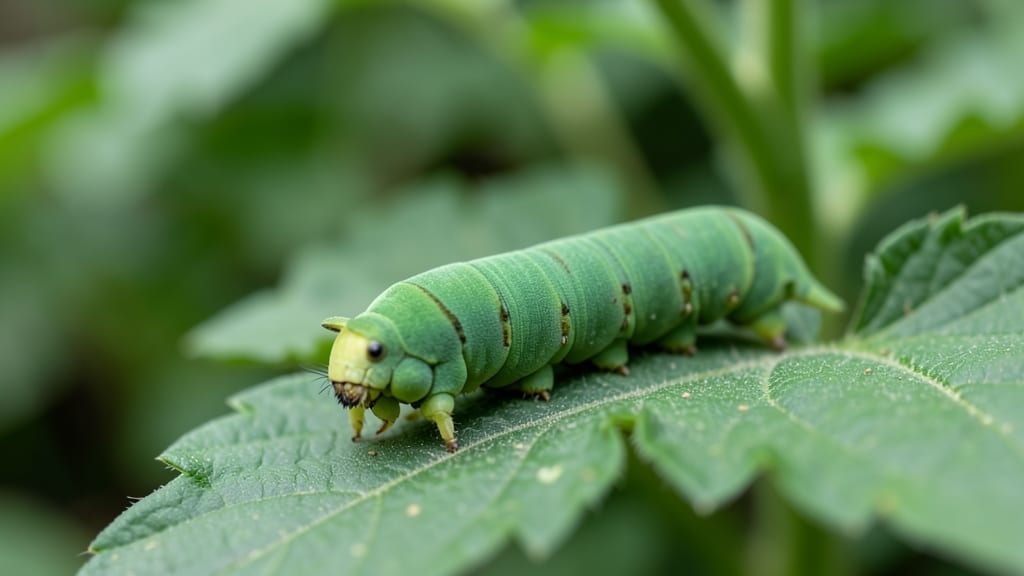
That small green caterpillar on tomato plant munching your tomato leaves is likely a hornworm or tomato looper—and if you don’t act fast, it’ll strip your plants bare in days. 🌱 I’ve lost entire tomato harvests to these pests, but I’ve also learned the exact steps to stop them before they wreck your garden.
The key is acting fast with the right methods.
These caterpillars thrive when they’re hidden under leaves, so start by inspecting your plants every 2-3 days during peak growing season. Look for chewed leaves, black droppings, and the telltale green bodies (some with white stripes or horns).
The sooner you spot them, the easier they are to remove by hand or with organic sprays.
You’ll protect your tomatoes by combining manual removal with neem oil sprays (applied at dusk) and companion plants like basil or marigolds that repel them naturally. Within a week, your plants will bounce back with fresh, undamaged foliage—and you’ll avoid the heartbreak of watching your harvest disappear overnight.
This works for both backyard gardens and containers, and it’s safe for pollinators if done correctly. Let’s get those pests under control before they ruin your season.
Root Causes Of Tiny Green Invaders
When you spot a small green caterpillar munching away on your tomato plant, it’s usually a sign of one (or more) underlying issues in your garden’s ecosystem.
Understanding these causes helps you take targeted action before the damage worsens. Below are the most common reasons these pests appear—and how they exploit your plants.
Tomato plants under stress are like an all-you-can-eat buffet for hungry caterpillars. When plants are overcrowded, they compete for sunlight, water, and nutrients, weakening their natural defenses. Stress signals (like wilting, yellowing leaves, or stunted growth) attract pests that thrive on compromised hosts.
Why it happens:
- Poor spacing: Tomato plants need at least 18–24 inches between stems for airflow and sunlight. Crowding creates humid microclimates—perfect for caterpillar eggs to hatch and larvae to thrive.
- Nutrient deficiencies: Lack of nitrogen, phosphorus, or potassium weakens cell walls, making leaves easier targets. Caterpillars prefer tender, nutrient-rich foliage over tough, healthy growth.
- Water stress: Overwatering or drought weakens plants. Overwatering creates soggy soil (ideal for egg-laying moths), while drought stress reduces plant resilience, making them more appealing to pests.
Actionable fix: Prune crowded branches, mulch to retain moisture, and fertilize with a balanced tomato-specific formula (e.g., 10-10-10 or compost tea). 💡 Pro tip: Space plants properly from day one—retrofitting is harder once pests move in!
The tiny green caterpillar you’re seeing is likely the larval stage of a moth—most commonly the hornworm (Manduca sexta) or tomato fruitworm (Helicoverpa zea). Female moths are drawn to tomato plants for two key reasons:
Why it happens:
- Plant scent and color: Tomatoes emit volatile organic compounds (VOCs) that attract moths. Red or purple leaves (common in some varieties) are particularly enticing, as they mimic the color of ripe fruit—where moths lay eggs.
- Nighttime feeding cues: Moths use moonlight and UV reflection to locate plants. If your garden is well-lit at night (e.g., porch lights), moths gather in higher numbers.
- Previous infestations: Moths return to the same area year after year if they find a reliable food source. A single surviving caterpillar can mean dozens of eggs laid nearby.
Actionable fix:
- Install yellow or blacklight bug traps near tomato plants to lure adult moths away.
- Use row covers (fine mesh) over young plants to block egg-laying moths.
- Prune and destroy damaged leaves (especially at night when moths are active) to remove egg clusters.
🌡️ Science note: Moths lay eggs on undersides of leaves—flip leaves over daily during peak season (late spring to early summer) to spot and squish eggs before they hatch!
Tomato plants in a balanced ecosystem rarely suffer severe caterpillar damage because beneficial insects and birds keep populations in check. But when these predators disappear, caterpillars explode in numbers.
Why it happens:
- Pesticide overuse: Broad-spectrum insecticides (like neonicotinoids or pyrethroids) kill both pests and their natural enemies, such as ladybugs, lacewings, and parasitic wasps that prey on caterpillar eggs.
- Monoculture gardening: Planting only tomatoes (or other nightshades) creates a pest paradise with no diversity to support predator populations.
- Habitat loss: Removing weeds, wildflowers, or ground cover eliminates shelter and food for predator insects (e.g., braconid wasps that lay eggs inside caterpillars).
Actionable fix:
- Introduce companion plants like basil, dill, or marigolds to attract predator insects.
- Avoid chemical pesticides—opt for Bt (Bacillus thuringiensis), a natural bacteria that targets caterpillars without harming predators.
- Add birdhouses or bat boxes to encourage insect-eating birds and bats.
✨ Eco tip: A single parasitic wasp can lay dozens of eggs inside a hornworm, turning it into a "zombie caterpillar" that dies before it can reproduce!
Caterpillar outbreaks often spike during warm, humid weather—ideal conditions for moth reproduction and larval survival. Climate changes, like longer growing seasons, can also extend the pest’s active period.
Why it happens:
- Warm nights: Moths are most active when nighttime temperatures stay above 60°F (15°C). Warmer air increases their metabolism and egg-laying rates.
- High humidity: Caterpillars lose moisture quickly in dry conditions. Humid environments (like greenhouses or shaded gardens) help them retain hydration and grow faster.
- Extended growing seasons: In regions with mild winters, moths may survive year-round, leading to multiple generations per season instead of one.
Actionable fix:
- Monitor weather forecasts and apply Bt spray preventatively before heatwaves.
- Improve airflow around plants with trellises or pruning to reduce humidity.
- Use reflective mulch (like aluminum foil) around plant bases to deter moths from landing.
📊 Data point: Studies show hornworm populations can double in just 10 days during heatwaves—early intervention is critical!
Quick Fixes for Tomato Plant Pests
If you’ve spotted a small green caterpillar munching on your tomato plant, don’t panic—there are effective ways to tackle the problem before it escalates. Below, we’ve mapped out targeted solutions based on the most common causes of these unwelcome visitors, along with prevention tips to keep your garden thriving.
Best for: Light infestations (1-5 caterpillars) Time needed: 5-10 minutes
- 👨🍳 Scout at dawn or dusk – Caterpillars are most active during cooler hours.
- 🔪 Use gloves or tweezers – Gently pluck them off leaves and stems.
Drop them into soapy water to kill them instantly. 3. 🌿 Check hidden spots – Look under leaves, in flower clusters, and along the undersides of branches.
Pro Tip: 💡 If you’re squeamish, wear a mask—some gardeners find the sight (and occasional wriggling) off-putting!
Best for: Moderate to severe damage (multiple caterpillars or eggs) Time needed: 10-15 minutes (plus drying time)
| Solution | How to Apply | Frequency | Safety Notes |
|---|---|---|---|
| Neem Oil Spray 🌿 | Mix 1 tsp neem oil + 1 tsp mild soap in 1 quart water. Spray undersides of leaves thoroughly. | Every 5-7 days (or after rain) | Non-toxic to humans but may irritate sensitive skin—wear gloves. |
| Bacillus thuringiensis (Bt) 🦠 | Sprinkle or spray Bt powder/wetable powder on foliage. Caterpillars ingest it and die within 48 hours. | Every 1-2 weeks | Safe for bees and beneficial insects. |
| Spinosad Spray 🍄 | Dilute according to package instructions. Target caterpillars directly. | Every 7-10 days | Low toxicity, but avoid spraying when bees are active. |
Pro Tip: 🌡️ Apply sprays early in the morning to avoid harming pollinators. Reapply after rain.
Best for: Prevention and early intervention Time needed: 10 minutes (setup)
- 🧶 Row Covers – Lightweight fabric draped over young plants blocks caterpillars from laying eggs. Remove when flowers appear for pollination.
- 🍎 Sticky Traps – Place yellow sticky cards near plants to catch adult moths (the caterpillars’ parents) before they lay eggs.
- 🥗 Collar Wraps – Wrap the base of stems with cardboard collars (cut from toilet paper rolls) to prevent caterpillars from crawling up.
Pro Tip: ✨ Companion planting works! Grow basil, marigolds, or nasturtiums near tomatoes—their strong scents repel moths.
Best for: Keeping caterpillars away for good
- 🌱 Rotate crops – Avoid planting tomatoes in the same spot yearly to disrupt moth life cycles. - 🌿 Encourage predators – Ladybugs, lacewings, and parasitic wasps love caterpillars.
Plant dill, fennel, or alyssum to attract them. - 🍅 Keep plants healthy – Strong, well-watered tomatoes are less appealing to pests. Prune regularly to improve airflow and reduce hiding spots. - 🌙 Time your planting – Start seeds indoors and transplant after the last frost to give plants a head start before moths emerge.
Final Reminder: 🎯 Act fast! Caterpillars grow quickly and can defoliate a plant in days. Combine handpicking with sprays or barriers for the best results. With these methods, your tomato plants will stay lush—and so will your harvest!
Frequently asked questions
What’s the difference between a hornworm and a tomato looper?
Hornworms are large green caterpillars (2-4 inches) with distinctive white diagonal stripes and a small "horn" at their rear. Tomato loopers are smaller (1-1.5 inches) with a looping movement when crawling. Both are voracious eaters, but hornworms grow faster and cause more damage in days.
Are these caterpillars harmful to humans or pets?
No, they’re not dangerous to touch, but some gardeners experience mild skin irritation from their tiny hairs. For pets, the biggest risk is accidental ingestion of pesticides—always use organic sprays like Bt or neem oil around animals. Wash hands after handling caterpillars to avoid any irritation.
How do I know if my tomato plant is already too damaged?
Check for skeletonized leaves (veins remain but tissue is gone) or chewed fruit. If over 50% of leaves are damaged, the plant may struggle to recover. For severe cases, remove heavily infested plants (seal in a bag) and focus on saving healthy foliage with Bt spray.
Can I use soap spray on these caterpillars?
Yes, but use mild liquid soap (1 tsp per quart of water)—harsh detergents can harm plants. Spray directly on caterpillars at dawn or dusk when they’re active. Reapply every 3-4 days or after rain. Avoid spraying flowers to protect pollinators.
Will my tomato fruit still grow if I remove the caterpillars?
Tomatoes are resilient. If you catch the caterpillars early (before they reach 1 inch), your plant will regrow leaves and still produce fruit. Focus on protecting new growth with row covers or neem oil to prevent future attacks.