
Companion Plants
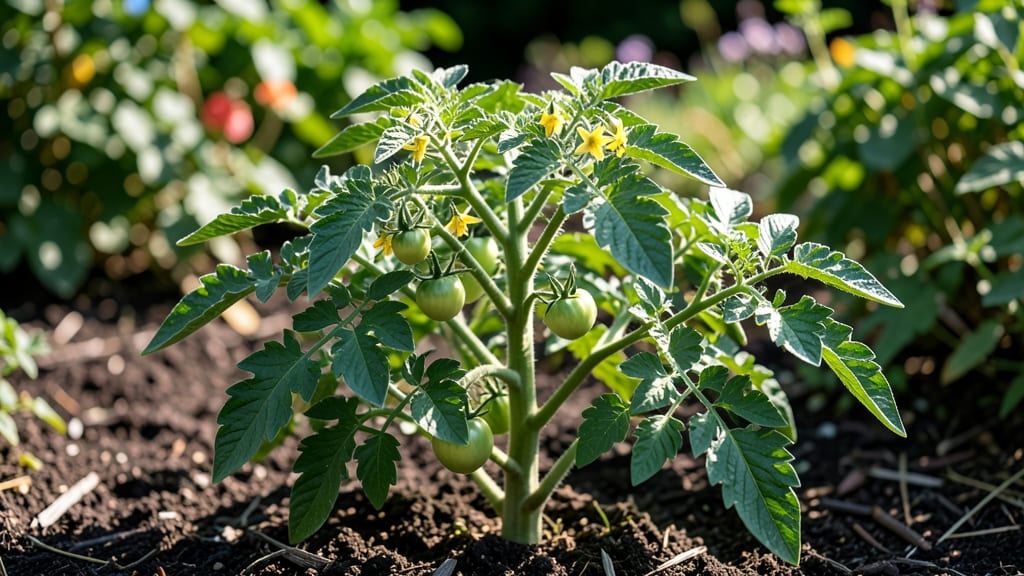
Growing orange banana tomato plants transforms your garden into a flavor explosion. 🌱 These tri-color beauties—yellow-orange with green shoulders—yield fruit that tastes like sunshine, and pairing them with the right companions boosts both harvest and plant health.
Start with rich, well-draining soil mixed with compost, and plant in full sun (6-8 hours daily). The key to their success lies in consistent moisture—about 1-1.5 inches per week—and a balanced fertilizer every 4-6 weeks.
These tomatoes thrive when staked or caged, so don’t skip support as they grow heavy with fruit.
You’ll notice the first blossoms in 6-8 weeks, followed by fruit that ripens from green to its signature golden-orange hue. The flavor? A perfect balance of sweet and tangy, with a texture that’s juicier than store-bought. Prune regularly to improve airflow and focus energy on fruit production.
Watch for common issues like blossom end rot (fix with calcium-rich amendments) or pests like hornworms (handpick or use neem oil). With the right care, you’ll harvest 20-30 pounds per plant—enough to share with neighbors or freeze for winter.
📚 In This Guide
- What you need
- Instructions
- Tips and common mistakes
- Wrapping up and next steps
What you need
- ● Seeds or Seedlings: 1 packet orange tomato seeds (e.g., 'Sungold' or 'Sunny' varieties)
- ● 1 packet banana pepper seeds (e.g., 'Carolina Reaper' or 'NuMex Heritage' for heat lovers!)
- ● 1 packet regular tomato seeds (e.g., 'Early Girl' or 'Beefsteak' for balance)
- ● Containers or Garden Space: 3 large pots (12–18" diameter) or a raised bed (minimum 12" deep)
- ● Well-draining soil mix (or potting soil amended with compost)
- ● Fertilizer: Balanced organic fertilizer (5-5-5 or 10-10-10 NPK ratio)
- ○ Slow-release tomato fertilizer (optional but recommended)
- ● Support Structures: 3 tomato cages (6–8 ft tall) or stakes + twine
- ● Watering Supplies: Watering can or hose with a gentle spray nozzle
- ○ Drip irrigation kit (optional for efficiency)
- ● Basic Tools: Trowel or small shovel
- ● Pruning shears (for trimming)
- ● Gloves (to protect your hands!)
- ○ Optional (But Helpful!): Mulch (straw or shredded leaves to retain moisture)
- ● Plant markers (to track varieties)
- ● Pest control spray (neem oil or insecticidal soap)
- ● pH testing kit (to ensure soil is 6.0–6.8)
- ● Full sun exposure (6–8+ hours daily)
- ● Warm soil temps (above 55°F/13°C for planting)
- ● Patience! Tomatoes and peppers take 60–90 days to fruit.
How to plant orange banana tomato plants for maximum yield
This dynamic trio thrives together—here's how to pair them for stronger growth and bigger harvests.
🌱 Step 1: Select and Prepare Planting Sites
Choose a location with full sun exposure (6-8 hours daily) and well-draining soil. Orange banana plants (Citrus × aurantium) need slightly acidic soil (pH 6.0-7.0), while tomatoes (Solanum lycopersicum) prefer neutral to slightly acidic (pH 6.0-6.8). Test your soil first—amend with compost or sulfur if needed. The banana plants will act as natural windbreaks for your tomatoes.
Dig individual holes for each plant that are twice as wide and slightly deeper than their root balls. Space orange banana plants 10-12 feet apart (they grow large) and place tomato plants 18-24 inches apart between them. This spacing gives tomatoes room to sprawl while benefiting from the banana's shade in peak afternoon sun.
🪴 Step 2: Plant the Orange Banana Plants First
Place your orange banana plant in its hole, ensuring the top of the root ball sits 1 inch above soil level—this prevents rot when watering. Fill the hole with native soil mixed with 2-3 inches of compost to improve drainage and nutrient availability. Gently firm the soil around the roots, creating a slight basin to help direct water.
Water deeply right after planting to settle the soil and eliminate air pockets. You'll know it's right when water pools in the basin and drains within 30-60 minutes. Avoid overwatering now—banana roots are sensitive to waterlogging. Mulch around the base with 2-3 inches of organic mulch to retain moisture and suppress weeds.
🌿 Step 3: Add Tomato Plants Around the Banana
Plant your tomato seedlings 2-3 weeks after the banana plant to give its roots time to establish. Dig holes for tomatoes 12-18 inches apart in a loose circle around the banana, positioning them slightly closer to the banana's trunk where shade will be most beneficial. This creates a natural microclimate that reduces heat stress on tomatoes during summer.
When placing tomatoes, bury ⅔ of the stem to encourage stronger root growth. The exposed top portion will develop additional roots, making the plant more stable. Water each tomato plant with 1 gallon of water immediately after planting to help the soil settle around the roots.
☀️ Step 4: Implement Companion Care Strategies
Orange banana plants benefit tomatoes by providing afternoon shade, which prevents sunscald on fruit. However, tomatoes still need 6+ hours of morning sun for optimal growth. Prune banana branches lightly to create gaps where sunlight reaches tomatoes. You'll see healthier tomato foliage and fewer blossom-end rot issues.
Fertilize the trio with a balanced 10-10-10 fertilizer every 4-6 weeks during growing season. Banana plants are heavy feeders, so they'll outcompete tomatoes slightly—side-dress tomatoes with a low-nitrogen fertilizer (5-10-10) to encourage fruiting. Watch for aphids on banana leaves; spray with neem oil if you spot them early.
⏰ Step 5: Monitor and Adjust Through the Season
Check soil moisture weekly by inserting your finger 1-2 inches deep. Water deeply when the topsoil feels dry, giving each plant 1-2 gallons depending on size. Banana plants need consistent moisture, while tomatoes prefer slightly drier conditions between waterings. This creates a natural irrigation balance in the planting bed.
As tomatoes grow, gently weave their vines through the banana's branches for natural support. This not only saves space but also creates a living trellis that protects tomatoes from wind damage. Harvest tomatoes when they reach full color and slight softness, and pick banana fruit when it's bright orange and yields slightly to gentle pressure.
Tips & tricks for perfect orange banana tomato plant pairings
This trio works best when you pay attention to their unique needs—and here's how to maximize their potential together.
Sunlight Strategy: While the instructions call for full sun (6-8 hours daily), I've found the real magic happens in how you distribute that sunlight. Position your banana plants on the north or west side of your garden to provide afternoon shade for tomatoes while still allowing them their essential morning sun. This creates the perfect microclimate where tomatoes get their needed 6+ hours of morning light without afternoon scorching.
Soil Science: The instructions mention slightly acidic soil (pH 6.0-7.0), but here's what nobody tells you—banana plants actually prefer the upper end of that range (closer to 7.0) while tomatoes thrive at the lower end (around 6.5). To create the ideal compromise, mix your planting soil with equal parts compost and native soil, then add a handful of sulfur to lower the pH slightly. This balanced approach gives both plants what they need.
Watering Wisdom: The 30-60 minute drainage test after planting is crucial, but don't stop there. I've learned that banana plants need consistent moisture, while tomatoes prefer slightly drier conditions between waterings. Here's my trick: water the banana plant first (1-2 gallons), then wait 30 minutes before watering tomatoes (1 gallon each). This staggered approach prevents waterlogging while maintaining the natural irrigation balance in your planting bed.
Seasonal Adjustments: As the growing season progresses, you'll need to adjust your care. During peak summer heat, increase your watering to 2 gallons for bananas and 1.5 gallons for tomatoes every other day. In cooler months, reduce to 1 gallon for bananas and 0.5 gallons for tomatoes every 3-4 days. This seasonal flexibility prevents overwatering while keeping both plants thriving.
Pro Tips for Orange Banana Tomato Plants
- This trio works best when you pay attention to their unique needs—and here's how to maximize their potential together.
- Sunlight Strategy: While the instructions call for full sun (6-8 hours daily), I've found the real magic happens in how you distribute that sunlight.
- To create the ideal compromise, mix your planting soil with equal parts compost and native soil, then add a handful of sulfur to lower the pH slightly.
Frequently asked questions
Got questions about growing orange banana tomato plants together? You’re not alone! Here are some of the most common queries—and straightforward answers—to help you cultivate this dynamic trio like a pro.
Can orange banana peppers and tomatoes grow well in the same pot?
Yes, but with a few caveats! These companions thrive together in containers, but ensure the pot is at least 12–15 gallons to accommodate their root systems. Use well-draining soil and a balanced fertilizer (like 10-10-10) to support their shared needs. Just avoid overcrowding—space them 18–24 inches apart for airflow and sunlight.
How long does it take for orange banana peppers and tomatoes to produce fruit?
Tomatoes typically bear fruit in 60–85 days after transplanting, while orange banana peppers can take 70–90 days. For faster results, start seeds indoors 6–8 weeks before the last frost and provide full sun (6–8 hours daily). Patience pays off—consistent care (watering, pruning, and fertilizing) speeds up the process!
What if my tomato plants look stressed when grown with orange banana peppers?
Stress often stems from competition for nutrients or water. Monitor soil moisture (keep it consistently moist but not soggy) and mulch to retain humidity. If leaves yellow or wilt, dilute a balanced fertilizer (half-strength) every 3–4 weeks. Also, check for pests like aphids—spray with neem oil if needed!
Are there other plants that pair well with orange banana peppers and tomatoes?
This trio thrives with basil, marigolds, or onions—they repel pests and boost flavor. Avoid planting with fennel or dill, as they can stunt tomato growth. For containers, add nasturtiums (edible flowers!) to deter aphids naturally. Diversity = happier plants!
Can I overwinter orange banana peppers and tomatoes together?
Tomatoes are annuals and won’t survive winter, but orange banana peppers (perennial in zones 9–11) can be brought indoors if potted. Move them to a sunny window or grow light and reduce watering. In colder climates, harvest peppers before frost and replant next season. Pro tip: Save seeds from your best peppers for year-round growing!
Wrapping up and next steps
Growing orange banana tomato plants together isn’t just clever—it’s a game-changer for your garden! 🌱 These trio companions boost yields, deter pests, and even improve soil health, proving that nature’s partnerships work wonders. Whether you’re a seasoned gardener or just starting, this dynamic combo makes harvesting easier and more rewarding.
Ready to level up your harvest? Start small—plant a few of each this season and watch the magic unfold. Happy growing! 🌿