
How To
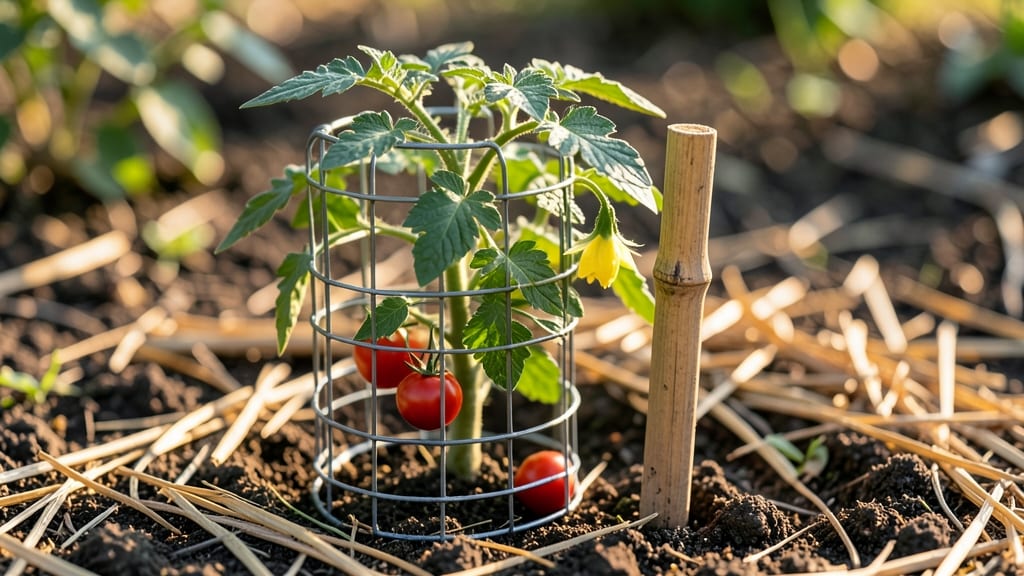
My miniature tomato cages transformed my balcony garden from a chaotic tangle to a neat, productive display—all in under an hour. 🌱 These compact supports hold vines upright without taking over your space, and they’re perfect for containers, small plots, or even window boxes where traditional cages would dwarf the plant.
The secret lies in their 18-inch height and sturdy wire construction, which keeps tomatoes growing vertically while preventing sprawl. I’ve grown cherry tomatoes and roma varieties this way, and the difference in air circulation and sunlight exposure means fewer diseases and bigger yields.
Plus, they’re easy to collapse and store when the season ends. You’ll end up with tomatoes that ripen faster, look better, and stay off the ground where pests and rot lurk. The cages also make harvesting a breeze—no more bending or reaching into dense foliage.
For even better results, pair them with a slow-release fertilizer and prune suckers regularly. Works for 5-gallon containers to raised beds, and DIY versions (using chicken wire or repurposed fencing) are just as effective. Let’s get those vines climbing!
Root Causes of Floppy Stems
Even with the sturdiest miniature tomato cages, your plants may still flop over like a tired toddler. 🌱😅 The issue often boils down to a mix of biological, environmental, and horticultural factors.
Understanding these root causes helps you take targeted action—because a wobbly vine isn’t just unsightly; it’s a stress signal from your plant. Let’s break down why stems lose their strength and how to fix it.
Not all cages are created equal. If your support system fails to match your tomato variety’s growth habits—or if it’s flimsy to begin with—your plants will struggle to climb. Here’s why:
- Insufficient height or width: Determinate tomatoes (bush types) need compact cages (3–4 feet tall), while indeterminate varieties (vining types) demand 5–6 feet or taller. A cage that’s too short forces vines to sprawl, increasing the risk of breakage under fruit weight.
- Weak materials: Plastic cages with thin, flexible wires or flimsy mesh can’t handle the weight of heavy tomatoes. Even "sturdy" cages may bend if the metal is too thin (look for 16-gauge or thicker wire).
- Improper spacing: Crowded cages force vines to compete for support, leading to tangled growth and weak stems. Aim for 18–24 inches between cages for adequate airflow and structural integrity.
Actionable fix: Match your cage to your tomato type and reinforce weak spots with bamboo stakes or twine for extra support.
Water is the lifeblood of your tomatoes, but too much—or too little—can weaken stems faster than a summer heatwave. Here’s the science:
- Cell wall breakdown: Excess water dilutes soil nutrients and creates oxygen-poor conditions, weakening cellulose and lignin (the plant’s structural fibers). This makes stems soft and prone to snapping.
- Root stress: Alternating between soggy soil and drought forces roots to overwork, diverting energy from stem strength. Waterlogged roots can’t absorb nutrients efficiently, leading to stunted growth.
- Blossom end rot risk: Overwatering also triggers calcium deficiency in fruits, but the stress radiates upward, weakening stems over time.
Actionable fix:
- Water deeply 2–3 times per week (adjust for climate) and let the top inch of soil dry between sessions.
- Use mulch (straw or shredded leaves) to retain moisture without waterlogging.
- Add perlite or vermiculite to soil for better drainage.
Tomatoes are tropical plants at heart—they hate sudden temperature shifts, which disrupt their internal chemistry. Here’s how heat or cold sabotages stem strength:
- Heat stress (above 90°F): High temperatures reduce chlorophyll production, weakening photosynthesis and starving stems of energy. Additionally, ethylene gas (a plant hormone) spikes in heat, accelerating fruit ripening and stem softening.
- Cold stress (below 50°F): Chilly nights slow down auxin (a growth hormone), which normally thickens stems. Cold also increases abscisic acid, a stress hormone that can trigger early leaf drop and brittle stems.
- Wind exposure: Even without extreme temps, wind desiccates leaves, reducing the plant’s ability to transport water and nutrients to stems.
Actionable fix:
- Use shade cloth (30–50%) during peak afternoon sun.
- Plant in microclimates (e.g., near a south-facing wall) to buffer temperature swings.
- Apply a light mulch layer to insulate roots and regulate soil temp.
Stems aren’t just "sticks"—they’re living tissue that needs the right nutrients to thicken and harden. Common deficiencies turn them into Jell-O on a vine.
| Nutrient Deficiency | Symptoms | Why It Weakens Stems |
|---|---|---|
| Nitrogen (N) | Yellowing lower leaves, stunted growth | Nitrogen fuels leafy growth but overdoses can lead to weak, hollow stems as the plant prioritizes foliage over structural support. |
| Potassium (K) | Brown leaf edges, weak stems, poor fruit set | Potassium regulates water balance and cell turgor pressure—without it, stems become flaccid and prone to snapping under fruit weight. |
| Calcium (Ca) | Blossom end rot, brittle stems, cracked fruits | Calcium strengthens cell walls; a deficiency makes stems crispy and fragile, especially in fast-growing varieties. |
Actionable fix:
- Use a balanced fertilizer (10-10-10 or 5-10-10) and side-dress with compost every 3–4 weeks.
- Add wood ash or crushed eggshells for calcium (but avoid overdoing it—too much raises soil pH).
- Test soil pH (6.0–6.8 is ideal for tomatoes); nutrient uptake drops outside this range.
Hidden invaders can chew, sap, or infect stems, turning them into structural time bombs. Common culprits:
- Fungal infections (e.g., early blight): Fungi like Alternaria solani create lesions on stems, disrupting water transport and causing collapse. Look for concentric rings or dark spots.
- Sap-sucking pests (aphids, whiteflies): These pests inject toxins that weaken stems and spread viruses (e.g., tomato mosaic virus), leading to stunted, brittle growth.
- Root-knot nematodes: Microscopic worms burrow into roots, reducing water/nutrient uptake and causing above-ground wilting and stem weakness.
Actionable fix:
- Inspect stems weekly for lesions, webbing, or sticky residue (honeydew = pest alert!).
- Spray with neem oil or insecticidal soap for pests; rotate with copper fungicide for early blight.
- Plant marigolds or basil nearby to repel pests naturally.
- 🔥 Reinforce with extra stakes: If your cage is bending, drive a second stake beside it and tie the plant to both for added stability.
- 🍳 Use a stronger material: Swap flimsy wire or plastic for bamboo canes, sturdy PVC pipes, or metal tomato cages (even if they’re slightly larger, they’ll last longer).
- 👨🍳 Secure with soft ties: Avoid twine that digs into stems—use velcro plant ties, old t-shirts, or rubber bands to gently guide vines without cutting off circulation.
- 🥘 Trim strategically: Pinch off suckers (side shoots) to reduce sprawl and encourage upward growth. Focus on 2-3 main stems per plant.
- ⏰ Add mid-season support: If vines are already sprawling, weave them through a temporary trellis (even a string line between two stakes) until the cage can handle them.
- 🌡️ Weight the base: Bury the bottom 6 inches deep or anchor the cage with stakes pounded into the ground at 45-degree angles for extra grip.
- 🔪 Protect with barriers: Wrap the bottom 12 inches of the cage in hardware cloth to deter burrowing pests. For above-ground nibbling, spray with neem oil or hot pepper wax (safe for plants but repels chewers).
- 🎯 Relocate problem areas: If pests are targeting a specific plant, move it to a new cage or cover it with lightweight row fabric during high-risk hours (dawn/dusk).
- 💪 Strengthen weak spots: Replace chewed wire or plastic with thicker materials or duck tape (temporarily) until you can upgrade the entire support.
- 🌪️ Bury deeper or stake wider: For high-wind areas, drive stakes 18+ inches deep or angle them outward like a tripod for stability.
- 🔄 Secure with guy wires: Tie extra strings from the top of the cage to a nearby post or stake to prevent toppling.
- 🌧️ Drainage check: If rain pools around the base, add a small trench or gravel layer to keep soil from becoming waterlogged (which weakens roots).
- Chicken wire bent into a cylinder and secured with zip ties
- Bamboo stakes tied together in a pyramid shape
- PVC pipes cut to size with horizontal slats for vine support
Fixing Common Plant Support Issues
When your compact tomato plants struggle with their supports, quick fixes and smart prevention can save your harvest. Below are practical solutions for the most common problems—whether your stakes are too weak, plants are flopping, or pests are chewing through your DIY setup.
Cause: Thin materials, improper assembly, or overloaded cages. Fix It:
Prevention Tip: 💡 Build your cage with a triangular or lattice design—it distributes weight better than straight stakes.
Cause: Vines outgrowing supports, poor pruning, or weak stems. Fix It:
Prevention Tip: ✨ Start training vines early—tie them to the cage within 2-3 weeks of transplanting so they grow along the support naturally.
Cause: Squirrels, rabbits, or insects (like tomato hornworms) targeting weak materials. Fix It:
Prevention Tip: 🌿 Plant repellent companions like basil, marigolds, or nasturtiums nearby—they confuse pests and reduce damage.
Cause: Loose cages toppling or bending in storms. Fix It:
Prevention Tip: 🔥 Choose flexible but sturdy materials (like galvanized wire or flexible PVC)—they bend in wind instead of snapping.
| Problem | Fast Fix | Long-Term Solution |
|---|---|---|
| Weak/floppy cage | Add a second stake + soft ties | Upgrade to metal or bamboo cages |
| Overgrown vines | Trim suckers + temporary trellis | Prune early and train vines weekly |
| Pest damage | Wrap in hardware cloth + neem spray | Plant repellent herbs nearby |
| Wind/rain damage | Angle stakes + guy wires | Bury stakes deeper or use tripod style |
Final Pro Tip: 🎯 Rotate your cages yearly—if you reuse the same spot, soil-borne diseases (like blight) can weaken plants over time. Move them to fresh ground for healthier growth!
Frequently asked questions
What's the ideal height for miniature tomato cages?
For determinate varieties (bush types), aim for 3-4 feet tall—perfect for compact containers. Indeterminate vines need 5-6 feet to support their continuous growth. The 18-inch height mentioned in the guide works best for cherry tomatoes or patio containers.
Can I reuse miniature tomato cages year after year?
Yes, but clean them thoroughly between seasons! Soak in a 10% bleach solution (1 part bleach to 9 parts water) for 10 minutes, then rinse well. Store them flat to prevent rust or warping. Just rotate locations yearly to prevent soil-borne diseases.
How do I prevent vines from breaking through plastic cages?
Use soft plant ties (like fabric strips or Velcro wraps) to gently secure vines to the cage every 6-8 inches. Avoid wire or twine that can cut into stems. For extra strength, add a bamboo stake inside the cage to share the weight.
Are there DIY alternatives to store-bought miniature cages?
Try these space-saving options:
How many tomato plants can one miniature cage support?
One cage works best for 1-2 plants in containers. For larger beds, space cages 18-24 inches apart to prevent overcrowding. If you must share a cage, prune aggressively to 2-3 main stems per plant to avoid weight overload.