
Plants
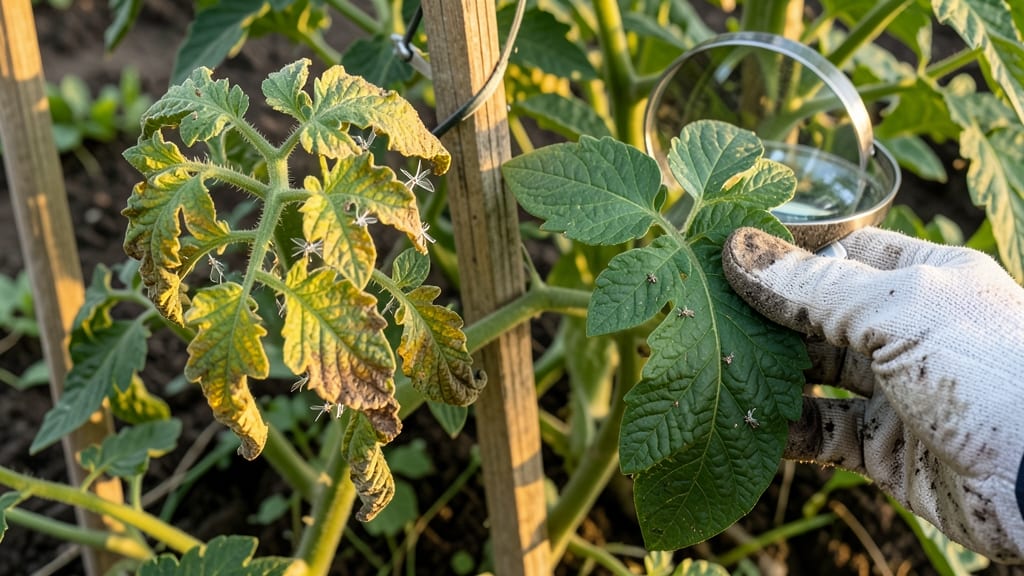
Your tomato plants' yellowing, crinkled leaves aren't just ugly—they're a cry for help. 🌱 Curly leaf disease, often caused by viruses like tomato leaf curl, can turn lush foliage into a sad, stunted mess.
But here's the good news: with the right organic approach, you can rescue what's left and protect your future harvests.
The first step is identifying the problem: check for upward-curling leaves, yellowing veins, and stunted growth—classic signs of viral infection. Since viruses spread through sap and insects, removing infected plants immediately stops the spread. I've saved entire gardens by pulling just one infected plant before it could spread to neighbors.
For existing plants, focus on strengthening their defenses with neem oil sprays (every 7-10 days) and companion planting like basil or marigolds to deter pests. While you can't cure a viral infection, these steps keep your tomatoes productive and your garden healthy for next season's harvest.
Prevention is your best weapon: start with disease-resistant varieties, keep your garden clean, and monitor plants regularly. The key is acting fast—once those leaves curl, the damage is done, but you can still salvage your season with these organic strategies.
Root Causes of Tomato Leaf Distortion
Curly leaf disease in tomato plants—often marked by yellowing, crinkling, and stunted growth—is rarely caused by a single factor. Instead, it’s usually a combination of environmental stressors, pests, and pathogens working in tandem.
Understanding these triggers is the first step to saving your plants. Below, we break down the primary culprits behind distorted tomato leaves, explained in clear, actionable terms.
Tomato plants thrive in moderate temperatures (65–85°F), but extreme heat or rapid shifts can trigger leaf curling as a survival mechanism. Here’s why:
- Excessive Heat: When temperatures exceed 90°F (32°C), tomato leaves curl upward to reduce water loss through transpiration.
This is a physiological response, not a disease—though prolonged stress weakens the plant, making it vulnerable to secondary infections. - Cold Snaps or Frost: Below 50°F (10°C), growth slows, and leaves may curl downward or develop a puckered texture.
Cold damage disrupts cellular function, leading to chlorosis (yellowing) and stunted development. - Day-Night Temperature Fluctuations: A 10°F (5°C) or greater swing between day and night can confuse the plant’s metabolic processes, causing leaves to crinkle or twist as they struggle to regulate moisture and nutrient uptake.
💡 Pro Tip: Use shade cloth (30–50%) during peak summer heat and row covers in early spring to buffer temperature extremes. Mulching with straw or wood chips also helps stabilize soil temps.
Several pests feed on tomato leaves, injecting toxins or physically damaging tissue, which triggers curling as a defense. The most common offenders:
| Pest | Symptoms | How It Causes Curling |
|---|---|---|
| Aphids | Sticky honeydew, yellowing leaves | Pierce cells to feed, injecting saliva with plant-growth hormones that distort leaves. |
| Spider Mites | Fine webbing, speckled leaves | Feed on cell sap, causing chlorosis and curling as the plant loses turgor pressure. |
| Whiteflies | White, moth-like adults on undersides | Cluster on leaves, sucking sap and excreting honeydew, which promotes sooty mold. |
| Tomato Hornworms | Large green caterpillars, chewed holes | Defoliation forces new growth to curl as the plant prioritizes survival over expansion. |
🔥 Action Step: Inspect leaves undersides and veins for pests. Blast off mites/aphids with a strong spray of water, or use neem oil (1 tsp per quart of water) for organic control.
While not all leaf curling is infectious, viruses and fungi are frequent culprits, often spreading via sap-sucking insects or contaminated tools.
- Tomato Leaf Curl Virus (ToLCV): - Spread by: Whiteflies and aphids. - How it works: The virus disrupts plant hormones, causing thickened, cupped leaves and stunted growth.
Infected plants may also show interveinal chlorosis (yellowing between veins). - Tell-tale sign: New leaves emerge smaller than normal and crinkled, resembling a "puffed" texture.
- **Early Blight (Alternaria solani) or Late Blight (Phytophthora infestans): - How it works: These fungi clog stomata (leaf pores), forcing cells to swell unevenly.
Early blight causes concentric rings on leaves, while late blight leads to oily, dark spots and rapid curling. - Moisture connection: Overhead watering or high humidity (>75%) creates ideal conditions for fungal spores to germinate.
🌡️ Prevention Tip: Remove infected leaves immediately (don’t compost them!) and sterilize pruners with 70% rubbing alcohol. For fungal prevention, apply copper fungicide every 7–10 days during wet seasons.
Tomato plants are sensitive to hydration imbalances, and both overwatering and underwatering can cause leaf distortion.
- Underwatering: - Symptoms: Leaves curl downward and feel dry or crispy at the edges. - Why it happens: Cells lose turgor pressure (the "plumpness" from water) as roots struggle to absorb moisture.
The plant conserves water by curling leaves to reduce surface area. - Fix: Water deeply 1–2 inches per week, focusing on the root zone (not the foliage). Use drip irrigation to avoid evaporation.
- Overwatering: - Symptoms: Leaves curl upward, develop yellow patches, or feel mushy. - Why it happens: Poor drainage leads to root rot, cutting off the plant’s water supply.
As roots suffocate, leaves curl inward in a desperate attempt to limit water loss. - Fix: Ensure pots have drainage holes and amend soil with perlite or compost to improve aeration. Let the top 1–2 inches of soil dry between waterings.
Tomato leaves may curl due to imbalances in essential nutrients, particularly potassium, nitrogen, or magnesium.
- Potassium Deficiency: - Symptoms: Yellowing leaf edges (scorching) and cupping/curling of older leaves. - Why it happens: Potassium regulates water and nutrient transport.
Without it, cells lose structural integrity, leading to curling. - Fix: Apply potassium-rich fertilizer (like greensand or wood ash) or use compost tea.
- Nitrogen Toxicity:
- Why it happens: Excess nitrogen overstimulates top growth, causing leaves to overproduce chlorophyll and lose shape.
- Fix: Flush soil with water to leach excess nitrogen and balance with phosphorus (bone meal) for root development.
Deficiency causes interveinal yellowing as the plant can’t synthesize enough green pigment. - Fix: Spray leaves with Epsom salt solution (1 tbsp per gallon of water) every 2 weeks.
Sometimes, leaf curling is a direct response to trauma rather than a disease.
- Wind or Hail Damage:
- Why it happens: Physical force ruptures cell walls, causing leaves to pucker or twist as they heal.
Roots may also grow in knots, warping leaf development. - Fix: Amend soil with compost or coconut coir to improve texture and aeration.
- Transplant Shock:
- Why it happens: Disturbed roots temporarily lose function, causing the plant to conserve energy by reducing leaf surface area.
- Fix: Water deeply after transplanting and avoid fertilizing** for 1–2 weeks to reduce stress.
Fixing Twisted Tomato Leaves Naturally
Curly leaf disease in tomato plants can feel like a frustrating puzzle—especially when your plants are looking more like a science experiment than a thriving garden. But don’t worry! With the right approach, you can nurse your tomatoes back to health and even prevent future outbreaks.
Below, we’ve mapped out practical, organic solutions tailored to the most common causes of yellowing and crinkling leaves. Think of this as your step-by-step rescue plan.
If your plants are showing signs of curls, yellowing, or stunted growth from a fungal or viral pathogen (like tomato mosaic virus or early blight), act fast to contain and treat the issue.
👨🍳 Step 1: Isolate the Problem Plants
- Remove infected leaves or plants immediately to prevent spread.
Place them in a sealed bag and discard them in the trash (not compost). - Wear gloves when handling diseased plants to avoid transferring spores to healthy ones. - Avoid working in the garden when plants are wet (morning dew or rain) to minimize spore dispersal.
🌿 Step 2: Boost Plant Immunity with Organic Treatments
- Neem oil spray: Mix 1 tbsp neem oil + 1 tsp mild soap + 1 quart water. Spray early in the morning on both sides of leaves.
Repeat every 7–10 days for fungal issues. - Baking soda solution: For early blight, combine 1 tbsp baking soda + 1 quart water + a few drops of dish soap.
Spray leaves thoroughly. - Compost tea: Strengthen roots and resistance by watering plants with homemade compost tea (steep compost in water for 24–48 hours, strain, and dilute to a light brown color).
🧹 Step 3: Sanitize Your Tools & Soil
- Disinfect pruners and tools with 70% rubbing alcohol or a 10% bleach solution between uses.
- Rotate crops: Avoid planting tomatoes (or nightshades like peppers/eggplants) in the same spot for 3–4 years to break disease cycles.
- Improve airflow: Prune crowded foliage and space plants 18–24 inches apart to reduce humidity and fungal growth.
If your tomato leaves are curling upward (not downward) and feel dry or crispy, heat stress or inconsistent watering is likely the culprit.
💧 Step 1: Water Deeply & Consistently
- Water at the base (not overhead) to keep leaves dry and prevent fungal infections.
- Use drip irrigation or soaker hoses for even moisture—tomatoes need 1–2 inches of water per week.
- Mulch heavily with straw or shredded leaves to retain moisture and regulate soil temperature.
🌿 Step 2: Provide Shade & Cool Relief
- Use shade cloth (30–50%) during peak afternoon sun (12–4 PM) if temperatures exceed 90°F (32°C).
- Plant near reflective surfaces (like white gravel or light-colored mulch) to bounce heat away.
- Harvest early if possible—ripe tomatoes are more heat-tolerant than green fruit.
🌱 Step 3: Optimize Soil & Fertilizer
- Avoid high-nitrogen fertilizers (like blood meal), which can stress plants in heat.
Switch to a balanced 5-5-5 or low-nitrogen formula. - Add organic matter: Mix in compost or aged manure to improve water retention and nutrient uptake. - Use a fan: Place a small oscillating fan near plants to mimic wind and reduce heat stress (great for container tomatoes!).
If tiny spider mites, aphids, or whiteflies are sucking sap and causing leaf distortion, here’s how to evict them without chemicals.
🕷️ Step 1: Blast Off Pests with Water
- Spray leaves thoroughly with a strong stream of water (early morning) to knock off mites and aphids.
- Use a hose-end sprayer for larger plants—focus on undersides of leaves where pests hide.
🍳 Step 2: Apply Natural Pesticides
- Insecticidal soap: Mix 2.5 tbsp castile soap + 1 quart water. Spray directly on pests (test on a small leaf first).
- Neem oil or horticultural oil: Spray at dusk to suffocate eggs and adults.
Repeat every 5–7 days. - Diatomaceous earth (DE): Sprinkle food-grade DE around the base of plants (reapply after rain). ⚠️ Avoid using if humidity is high—it’s less effective when wet.
🐝 Step 3: Encourage Beneficial Predators
- Ladybugs, lacewings, or parasitic wasps love aphids! Buy them online or attract them with dill, fennel, or marigolds as companion plants.
- Release them at dusk when they’re most active and provide a shallow water source (like a damp sponge) for hydration.
Once your plants recover, proactive care is key to avoiding future curly leaf drama:
- 🌱 Start with healthy seedlings: Buy from reputable nurseries or grow from sterilized seeds to avoid bringing viruses into your garden.
- 🌡️ Monitor weather forecasts: Cover plants with row covers if frost or extreme heat is predicted.
- 🕵️ Inspect weekly: Check leaf undersides and new growth for early signs of pests or disease.
- 🌿 Rotate crops: Follow a 3-year rotation for tomato family plants to starve out soil-borne pathogens.
- 🍅 Choose resistant varieties: Opt for heat-tolerant or disease-resistant tomatoes like ‘Heatmaster,’ ‘Solar Fire,’ or ‘Mountain Merit.’
By tackling the root cause—whether it’s fungus, pests, heat, or water issues—you’ll give your tomato plants the best shot at bouncing back. Patience is key: Some treatments take 1–2 weeks to show results, but consistent care will pay off with plump, disease-free tomatoes by harvest time. 🍅✨
Frequently asked questions
Can I save tomato plants already infected with curly leaf disease?
Unfortunately, viral causes like tomato leaf curl can't be cured, but you can manage symptoms. Remove severely infected leaves immediately to stop spread. Focus on strengthening remaining plants with neem oil sprays (every 7-10 days) and compost tea to boost immunity. For fungal-related curling, copper fungicide applications may help.
How do I tell if my tomato leaves are curling from heat or disease?
Heat stress causes upward curling with dry, crispy edges, while disease often shows downward curling with yellowing between veins. Check for other signs: heat stress leaves feel dry to touch, while diseased leaves may have spots or webbing. Morning inspection helps—heat damage worsens in afternoon sun.
Will pruning help curly leaf disease in tomatoes?
Pruning alone won't cure viral infections, but it helps manage the problem by removing infected foliage and improving airflow. Focus on cutting off curled leaves at the base (not mid-stem) to prevent spread. For fungal issues, prune to create space between plants—this reduces humidity and helps fungicides work better.
Can I still harvest tomatoes from affected plants?
Yes, but only from healthy-looking branches. Fruit already set will typically ripen normally unless the plant is severely compromised. Avoid harvesting from branches showing severe curling or yellowing. Disinfect pruners between cuts to prevent spreading pathogens to healthy parts of the plant.
How long does it take to see improvement with treatments?
Most organic treatments show results in 7-14 days, though severe cases may take longer. Neem oil and insecticidal soap work fastest (3-5 days), while fungal issues may require 2-3 weeks of consistent applications. Monitor plants daily and adjust treatments based on new symptoms—patience and persistence are key!