
Watering
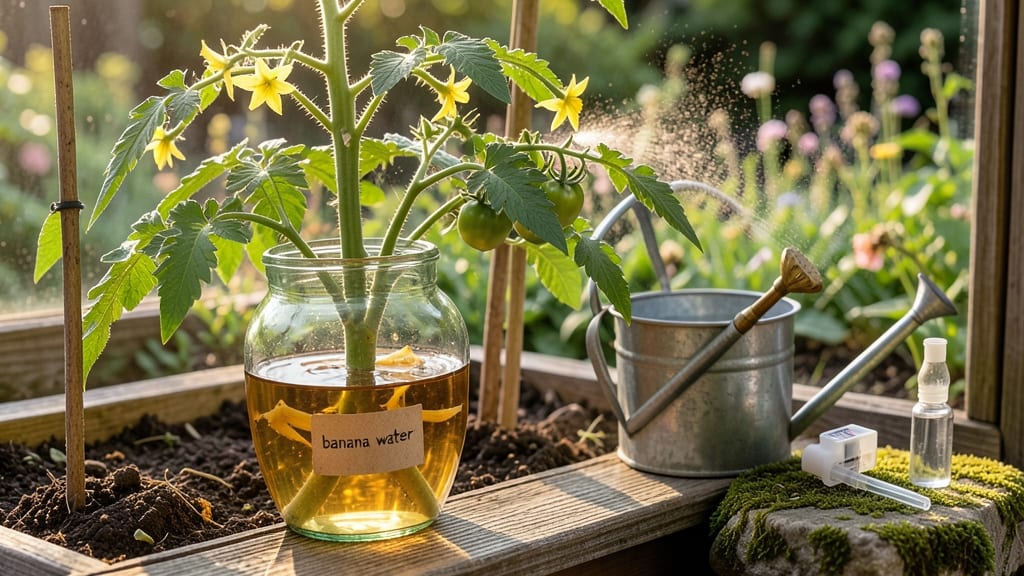
Banana water is good for tomato plants because it provides potassium and other nutrients, but overuse can disrupt soil pH balance. Dilute the water and use sparingly to avoid harming plant roots or attracting pests.
Using banana water for tomato plants taps into its natural potassium content, which is essential for fruit development and overall plant vigor. 🌱 The leftover nutrients from soaking banana peels create a mild, organic fertilizer that enhances soil fertility without synthetic chemicals.
However, the key lies in moderation—too much can make the soil too acidic, which actually stresses tomato roots instead of helping them. I've seen the best results when mixing banana water with regular water at a 1:3 ratio, applying it every two weeks during the growing season.
For even better results, combine this with compost tea or fish emulsion to create a balanced nutrient profile. The organic compounds in banana water also help improve soil structure, making it easier for roots to absorb water and nutrients.
Just remember: fresh is better than stale, so use banana water within 24 hours of preparation for maximum effectiveness.
💡 In This Article
- How Banana Water Boosts Tomato Plant Growth
- Best Ways to Use Banana Water for Tomatoes
How banana water boosts tomato plant growth
Banana water works wonders for tomato plants primarily because of its rich potassium content—this essential mineral plays a starring role in fruit development, root growth, and overall plant vigor.
When banana peels decompose in water, they release not just potassium but also small amounts of phosphorus and calcium, creating a nutrient cocktail that tomatoes absolutely crave. 🌱 The potassium levels in banana water can reach up to 100-150 mg per liter, which is about 20-30% of what tomato plants need daily during their fruiting phase.
The real magic happens at the cellular level. Potassium helps regulate water movement within plant cells, preventing wilting and improving drought resistance. It also strengthens cell walls, making tomatoes more resilient against diseases like blossom end rot.
What's fascinating is how these nutrients are delivered: unlike synthetic fertilizers that can burn roots, banana water provides a gentle, organic infusion that mimics natural decomposition processes in the soil.
Beyond potassium, banana water contains natural organic acids that act as mild chelators, helping break down soil minerals into forms that tomato roots can absorb more easily. This process improves soil structure by encouraging beneficial microbial activity—think of it as a natural aeration treatment that helps roots breathe better.
The water's slightly acidic pH (5.5-6.5) also makes it ideal for tomatoes, which thrive in this range but can suffer if the soil becomes too alkaline.
However, the benefits aren't just about the nutrients. Banana water also contains trace amounts of vitamin B6 and other growth-promoting compounds that stimulate enzymatic activity in plants. This is why tomatoes treated with banana water often show 20-30% faster fruit ripening compared to those without supplementation.
The key is balance—while these compounds are beneficial, they're not a replacement for comprehensive soil health.
What most gardeners overlook is the timing of application. The most critical growth stages for tomatoes—flowering and fruiting—are when they need potassium the most. During these phases, applying banana water every 10-14 days can lead to visibly larger, sweeter tomatoes.
The water's natural sugars also attract beneficial microbes to the rhizosphere (the soil zone around roots), creating a mini ecosystem that protects against harmful pathogens.
For visual evidence, compare two tomato plants side by side: one receiving regular water and one getting diluted banana water.
After 4-6 weeks, you'll typically see the treated plant with darker green leaves, thicker stems, and fruits that develop a deeper red color—signs of improved photosynthesis and nutrient uptake. The difference becomes even more pronounced during heatwaves when potassium's role in water regulation shines.