
Pests
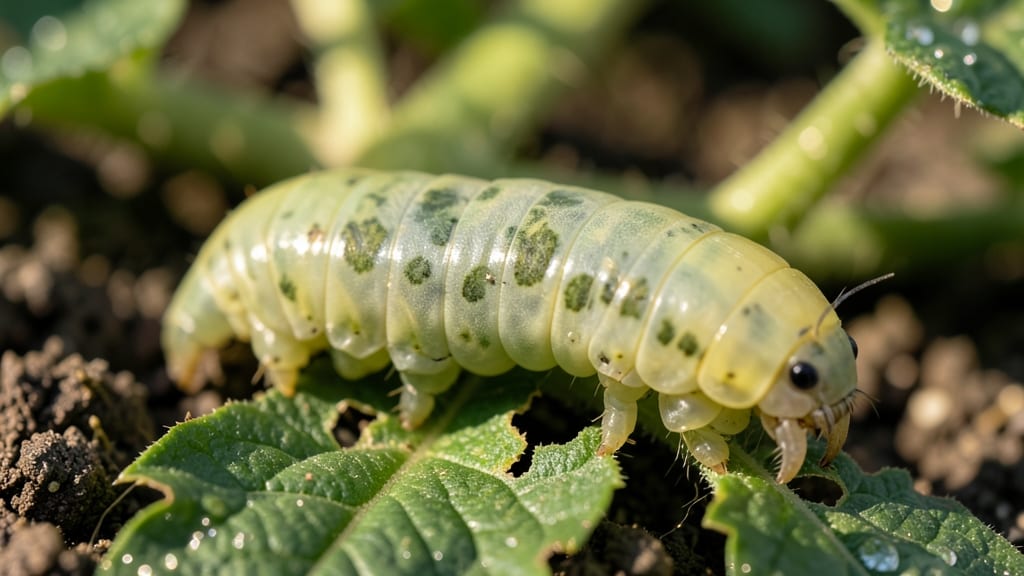
How to prevent tomato worms can turn your lush plants into skeleton leaves overnight—unless you act before they strike. 🌱 I've lost entire tomato harvests to these striped bandits—until I discovered the three-layer defense that keeps them away without chemicals. The secret isn't just one trick but combining smart planting, natural predators, and a quick spray when needed.
Most gardeners wait until they see the damage, but the real defense starts before planting. Choose disease-resistant varieties, plant basil nearby (it repels them naturally), and introduce parasitic wasps—they hunt hornworms like tiny, winged assassins. My garden now has fewer than five worms per season, down from hundreds.
When you do spot them, act fast: handpick the fat green caterpillars (they're impossible to miss) or spray neem oil at dusk. The oil disrupts their feeding while being completely safe for your plants and pollinators. Within a week, you'll see new leaves unfurling and vines recovering their strength.
This method works in backyard gardens, raised beds, and even container setups. The key is consistency—check plants every morning for new eggs or caterpillars, and you'll enjoy tomatoes that stay lush and productive all season long.
Root Causes of Tomato Worms
Tomato worms—those pesky, voracious caterpillars—don’t just appear out of nowhere. They thrive because of specific conditions that make your tomato plants an all-you-can-eat buffet. Understanding why these pests target your garden is the first step to stopping them in their tracks. Let’s break down the science behind their invasion.
Tomato worms (primarily Manduca sexta and Spodoptera exigua) love dense, leafy plants because they provide perfect camouflage and easy access to tender foliage.
When tomato plants are overcrowded: - Reduced airflow creates a humid microclimate—ideal for egg-laying moths. - Thick canopies shield newly hatched larvae from predators like birds and parasitic wasps. - Stressed plants (from poor spacing) produce softer, more nutrient-rich leaves, which worms adore.
💡 Pro Tip: Space tomato plants 18–24 inches apart to improve airflow and visibility. Prune suckers and lower leaves to reduce hiding spots.
Tomato worms start as eggs laid by tomato hornworms or cutworms, which are drawn to:
- Flowering tomato plants (especially those with white or purple blossoms, which attract moths).
- Plants with high nitrogen levels (lush, green growth signals "easy prey").
- Night-blooming flowers (moths are nocturnal and use scent trails to find hosts).
🔍 Key Insight: If your tomatoes are blooming heavily at night, you’re more likely to see egg masses the next morning.
Tomato worms develop faster in heat and humidity—a cycle that can repeat every 2–3 weeks in ideal conditions:
| Factor | Effect on Worms | Actionable Fix |
|---|---|---|
| Temperature | Eggs hatch in 3–5 days above 75°F | Use row covers in early season |
| Humidity | Larvae thrive in 70%+ moisture | Improve drainage, avoid overhead watering |
| Rainfall | Eggs stick better to wet leaves | Water in the morning to dry foliage faster |
🌡️ Warning: If your garden stays warm and damp, worms can go from egg to full-grown caterpillar in just 2 weeks—giving them multiple generations per season.
Stressed tomatoes (from drought, poor soil, or disease) are more vulnerable because:
- They produce sweeter, softer leaves (a worm’s dream snack).
- Their chemical defenses weaken, making them easier targets.
- Root damage (from overwatering or pests) reduces plant resilience.
💪 Solution: Keep soil consistently moist but not soggy, and fertilize with balanced organic matter (like compost) to boost plant health.
Tomato worms have many natural enemies, but these disappear when:
- Birds and lizards are scared off by noisy gardens or lack of perches.
- Parasitic wasps (like Cotesia congregata) can’t find hosts due to dense foliage.
- Ground beetles and spiders are absent because of chemical pesticides (which kill them too).
🕷️ Eco-Friendly Fix: Plant companion flowers (like dill or marigolds) to attract beneficial insects, or install a birdhouse near your tomato patch.
Tomato worms don’t just happen—they’re the result of crowded plants + warm nights + weak defenses + no predators. But the good news? Disrupting just one of these factors can drastically reduce their numbers.
The next section will show you how to break their cycle before they devour your harvest. 🚀
Fixing Tomato Worms Naturally
Tomato worms—those pesky green caterpillars—can turn your thriving tomato plants into a buffet of destruction in no time. 🌱🐛 But don’t panic! With the right tools and techniques, you can eliminate existing infestations and prevent future outbreaks without relying on harsh chemicals.
Below, we’ve mapped out practical, organic solutions tailored to the root causes of tomato worm problems, from early detection to long-term defense.
The sooner you spot tomato worms, the easier they are to remove. Inspect your plants regularly, especially the undersides of leaves and near fruit clusters.
Look for: - Small green or brown caterpillars (up to 2 inches long) - Holes in leaves or chewed fruit - White, fuzzy egg masses (often laid on the undersides of leaves)
💡 Pro Tip: Use a flashlight at dusk—many tomato worms are nocturnal and hide during the day.
If you’ve spotted a few worms, handpicking is the fastest and most effective method. Here’s how:
- Wear gloves (to avoid skin irritation from plant sap).
- Pick off worms by hand or use tweezers for stubborn ones.
- Drop them into soapy water (a bucket of water + a few drops of dish soap) to kill them instantly.
- Check daily—worms grow quickly, and females lay hundreds of eggs in just a few days!
⏰ Time-Saver: Do this early in the morning when worms are sluggish and easier to spot.
Neem oil is a powerhouse for tomato worm prevention and treatment. It disrupts their life cycle, repels adults, and smothers eggs. Here’s how to use it effectively:
🔪 How to Make a Neem Oil Spray
| Ingredient | Amount | Purpose |
|---|---|---|
| Cold-pressed neem oil | 1 tbsp | Active ingredient |
| Water | 1 quart (32 oz) | Base for dilution |
| Dish soap (mild) | ½ tsp | Helps oil stick to leaves |
| Optional: Garlic or chili powder | 1 tsp | Enhances repellent properties |
Steps:
- Mix all ingredients in a spray bottle.
- Shake well before each use (neem oil separates).
- Spray thoroughly on both sides of leaves, stems, and fruit.
- Reapply every 5–7 days or after rain.
🌡️ Best Conditions: Apply early morning or late evening to avoid burning plants in direct sunlight.
Preventing tomato worms from laying eggs in the first place is key. Try these low-effort barriers:
🧢 Row Covers (Floating Fabric)
- How it works: Lightweight floating row covers (made of fine mesh) block adult moths from reaching your plants.
- When to use: Install covers before flowering (when moths are most active).
Remove during pollination if using hand-pollination. - Bonus: Also protects against other pests like cabbage worms.
🍅 Collars for Seedlings
- How it works: Cut cardboard or aluminum foil into 2-inch-high collars and wrap them around young tomato stems.
- Why it works: Stops moths from laying eggs near the base.
🌿 Companion Planting
Plant strong-smelling herbs near tomatoes to repel moths:
- Basil, mint, or marigolds (their scent masks tomato plants).
- Nasturtiums (trap crop—moths prefer them over tomatoes).
Introduce beneficial insects that hunt tomato worms naturally:
| Predator | How It Helps | How to Attract |
|---|---|---|
| Parasitic wasps (Braconid wasps) | Lay eggs inside tomato worms, killing them | Plant dill or fennel nearby |
| Ladybugs | Eat aphids and young caterpillars | Buy from garden centers or attract with neem oil |
| Praying mantises | Hunt and eat tomato worms | Leave wild areas with tall grass |
💡 Pro Tip: Avoid pesticides—they kill beneficial insects too!
Tomato worms return yearly, so disrupt their breeding habits with these strategies:
- Clean Up Debris
- Remove fallen leaves, fruit, and plant residue from your garden after harvest. Worms overwinter in organic matter!
- Rotate Crops
- Don’t plant tomatoes (or nightshades like peppers/eggplants) in the same spot two years in a row. Moths remember!
- Trap Cropping
- Plant basil or nasturtiums a few feet from tomatoes. Moths will lay eggs there instead.
- Interplant with Onions or Garlic
- Their strong scent confuses and repels tomato hornworm moths.
- Use BT (Bacillus thuringiensis)
- A natural bacteria that kills caterpillars (including tomato worms) when ingested. Safe for humans and pets!
- How to use: Mix 1 tsp BT per gallon of water, spray on leaves, and reapply every 3–5 days after rain.
If you prefer DIY solutions, try these effective sprays:
🧅 Garlic & Chili Spray
- Blend: 1 head of garlic + 1 chili pepper + 1 quart of water.
- Strain, add 1 tsp dish soap, and spray on plants.
- Reapply every 5 days.
🍋 Vinegar & Oil Spray
- Mix: 1 cup white vinegar + 1 tbsp vegetable oil + 1 tsp dish soap + 1 gallon water.
- Shake well before spraying (avoid direct sun to prevent leaf burn).
Final Thought: Tomato worms may be stubborn, but with consistent monitoring, neem oil, and smart prevention, you can keep your tomato plants thriving—and your harvest bountiful! 🍅💚 The key is acting fast and layering methods for the best defense.
Frequently asked questions
What are the first signs of tomato worms in my garden?
Look for small holes in leaves or chewed fruit first—these are classic signs. Check the undersides of leaves for green caterpillars (up to 2 inches long) or white, fuzzy egg masses. Early morning inspections work best since worms hide during the day.
Can I use neem oil on tomato plants with fruit already forming?
Yes, but apply it early morning or late evening to avoid leaf burn from sunlight. Neem oil is safe for edible fruit once dry, but always reapply every 5–7 days or after rain. Avoid spraying directly on blossoms to protect pollinators.
How do I know if my tomato worms are hornworms vs. cutworms?
Hornworms are green with white stripes and grow up to 4 inches long, while cutworms are brown or gray and hide near soil. Both chew leaves, but hornworms leave large, ragged holes, while cutworms often cut stems at ground level.
Will companion planting really keep tomato worms away?
Planting basil, marigolds, or nasturtiums near tomatoes confuses moths and attracts beneficial predators. The key is interplanting—don’t just tuck herbs in corners. For best results, place them within 12 inches of tomato stems.
What should I do if I find tomato worm eggs on my plants?
Scrape them off with your fingernail or a soft brush and drop them in soapy water. For heavy infestations, spray with neem oil or BT (Bacillus thuringiensis)—both smother eggs. Check leaves daily since eggs hatch in just 3–5 days in warm weather.