
Pests
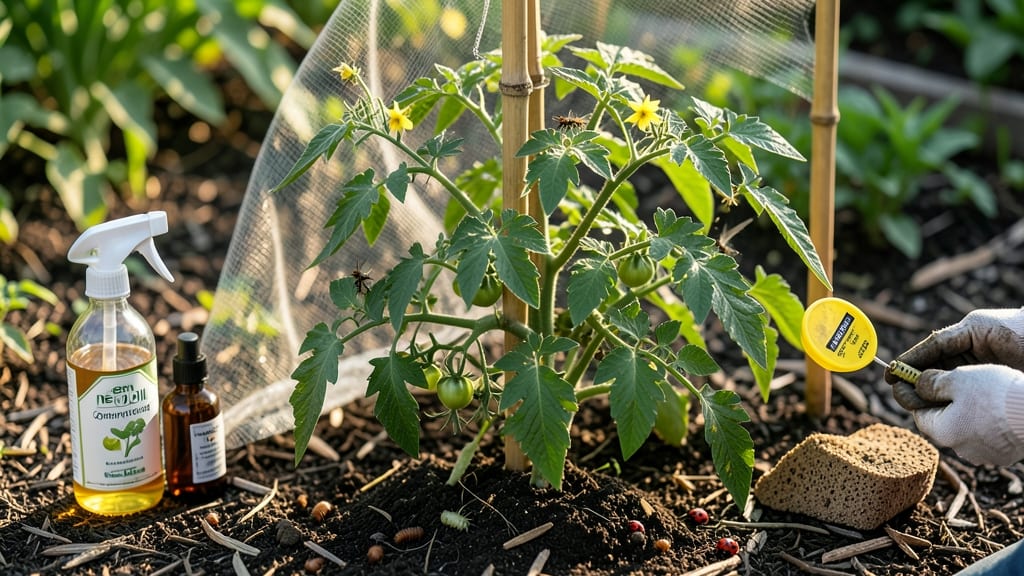
Your tomato plants are under siege—but how to keep tomato hornworms away is easier than you think. Those 5-inch green monsters with a ravenous appetite for your entire crop. 🌱 I’ve lost entire plants to hornworms, but I’ve also learned the foolproof ways to stop them without reaching for chemicals.
The key isn’t just one trick; it’s layering defenses like a fortress. Start with early detection: Check leaves daily, especially in the morning when dew makes them sluggish. A quick handpick now saves you from a full-blown infestation later.
I’ve pulled dozens in a single afternoon—it’s gross, but worth it. Pair this with row covers or companion plants like basil or marigolds, which mask tomato scents that attract hornworms. By combining these methods, you’ll see fewer holes in your leaves and more tomatoes on the vine.
The best part? Your garden stays chemical-free and thrives because the ecosystem balances itself. Let’s build that defense system step by step. You don’t need fancy tools—just gloves, a bucket of soapy water, and a sharp eye.
I’ve tried everything from neem oil to parasitic wasps, and while those work, they’re not always practical for beginners. The real game-changer is consistency: check plants every 2-3 days, especially after rain when hornworms are most active. Once you spot one, act fast.
A single hornworm can devour a tomato plant in 24 hours. I’ve seen them strip leaves down to stems—it’s shocking how quickly they multiply. But don’t panic: with these strategies, you’ll outsmart them before they become a problem.
This approach works for any tomato variety, whether you’re growing in containers or a full garden bed. The secret is prevention first, then swift action. You’ll end up with healthier plants, fewer pests, and the satisfaction of knowing you protected your harvest without harming the environment.
Here’s how to put it all together—no chemicals, no guesswork, just results. Let’s get started.
📚 In This Guide
- What you need
- Instructions
- Tips and common mistakes
- Wrapping up and next steps
What you need
- ● Neem oil (100% pure, cold-pressed) – 1–2 tbsp per gallon of water (for spraying)
- ● Insecticidal soap (organic, OMRI-listed) – 1–2 tbsp per quart of water (for direct application)
- ● Bacillus thuringiensis var. kurstaki (Bt) – Powder or liquid concentrate (targets caterpillars specifically)
- ● Garden twine or fishing line – 10–20 feet (for creating physical barriers)
- ● Row covers (floating fabric) – Lightweight, breathable mesh (0.6mm or finer) (to shield plants)
- ● Pruning shears or scissors – Sharp and clean (for removing eggs/worms manually)
- ● Gloves (nitrile or cotton) – 1 pair (to protect hands from sap and pests)
- ● Spray bottle (16–32 oz) – For targeted applications
- ○ Flashlight or headlamp (optional for night checks) – Bright LED preferred
- ● Diatomaceous earth (food-grade) – Light dusting around plant bases (dries out pests)
- ● Beneficial nematodes (Heterorhabditis bacteriophora) – For soil application (targets larvae)
- ● Chicken wire or hardware cloth – For larger barriers if hornworms are severe
- ● Pyrethrin-based spray (last resort) – Only if organic methods fail (use sparingly)
- ● Handheld vacuum (for quick worm removal) – With a fine mesh bag
Step-by-step instructions for creating natural tomato hornworm barriers
Here's how I've kept my tomato plants thriving without a single hornworm in sight.
🌿 Step 1: Introduce Beneficial Predators to Your Garden
Start by inviting hornworm's natural enemies into your garden. I release praying mantises and parasitic wasps (like Cotesia congregata) at dusk when they're most active. These predators target hornworms without harming your plants. Place them near tomato foliage where hornworms hide—look for areas with dense leaves and stems.
For best results, introduce predators every 2-3 weeks throughout the growing season. You'll know it's working when you see fewer hornworms and more signs of predation, like chewed-up caterpillar skins or tiny wasp cocoons hanging from stems. This method works best in organic gardens where chemical pesticides aren't used.
☀️ Step 2: Install Physical Barriers Around Plants
Create a simple row cover using lightweight frost fabric or fine mesh netting (with holes smaller than 1/8 inch). I drape it over tomato plants at night when hornworms are most active, securing edges with stakes or bricks. This prevents adult moths from laying eggs while still allowing sunlight and water through.
For established gardens, wrap individual stems with cardboard collars (cut from egg cartons or cereal boxes) around the base. These physical barriers block hornworms from climbing up to feed on leaves. Check barriers weekly for tears or gaps—hornworms can squeeze through surprisingly small openings.
💧 Step 3: Implement Companion Planting Strategies
Plant basil, marigolds, and dill alongside tomatoes to disrupt hornworm behavior. The strong scents of these plants mask tomato foliage, making it harder for moths to locate their preferred host. I interplant basil directly in tomato rows, as its fragrance confuses both adult moths and caterpillars.
Add nasturtiums as sacrificial plants—their bright flowers attract hornworms away from tomatoes. You'll notice hornworms feasting on nasturtium leaves instead of your tomato plants. Replace damaged nasturtiums regularly to maintain this diversion tactic throughout the season.
✂️ Step 4: Practice Regular Manual Removal and Monitoring
Inspect plants twice weekly, focusing on the undersides of leaves where hornworm eggs and caterpillars hide. Remove any eggs by scraping them into soapy water—this prevents caterpillars from hatching. For caterpillars, I use a pair of tongs to drop them into a bucket of soapy water, which kills them instantly without chemicals.
This hands-on approach works best when combined with other methods. You'll see immediate results as hornworm populations drop within 1-2 weeks of consistent monitoring. The key is persistence—hornworms reproduce quickly, so don't skip inspections during peak growing months.
🌱 Step 5: Enhance Garden Diversity to Reduce Hornworm Attraction
Create a polyculture garden by planting a variety of flowers, herbs, and vegetables. Hornworms prefer monocultures where tomatoes dominate. I rotate crops annually and avoid planting large blocks of the same plant family. This diversity confuses hornworm moths and reduces their ability to find tomato plants.
Add purple coneflowers and sunflowers to attract beneficial insects that prey on hornworms. These flowers provide nectar for predator populations while making your garden less appealing to hornworm moths. You'll notice more ladybugs, lacewings, and other beneficial insects when your garden ecosystem becomes more balanced.
Tips & tricks for natural tomato hornworm prevention
These practical strategies will help you maintain a thriving tomato garden without relying on harmful chemicals.
Timing for Predator Introductions: The 2-3 week interval for releasing praying mantises and parasitic wasps is crucial because it aligns with hornworm life cycles. Introduce them at dusk when these predators are most active—this maximizes their effectiveness. You'll notice a significant reduction in hornworm activity within 4-6 weeks of consistent releases.
Barrier Material Selection: When choosing frost fabric or mesh netting, opt for materials with holes smaller than 1/8 inch to effectively block adult moths while allowing sunlight through. For cardboard collars, use sturdy materials like egg cartons or cereal boxes—they should be snug but not constrict the stem. I've found that checking these barriers weekly prevents hornworms from finding vulnerabilities.
Companion Plant Placement: The key to successful companion planting is strategic placement. Interplant basil directly in tomato rows rather than clustering it all together—this creates a more effective scent barrier. For nasturtiums, place them at the perimeter of your tomato beds to act as a natural trap crop. Replace damaged nasturtiums every 2-3 weeks to maintain their effectiveness as a diversion.
Monitoring Frequency: The twice-weekly inspection schedule in Step 4 is non-negotiable during peak growing months (June through August). Focus on the undersides of leaves where eggs and young caterpillars hide—they're often overlooked. I keep a small bucket of soapy water nearby during inspections to immediately dispatch any eggs or caterpillars I find. This hands-on approach prevents infestations before they become unmanageable.
Pro Tips for Keep Tomato Hornworms Away
- These practical strategies will help you maintain a thriving tomato garden without relying on harmful chemicals.
- Timing for Predator Introductions: The 2-3 week interval for releasing praying mantises and parasitic wasps is crucial because it aligns with hornworm life cycles.
- Barrier Material Selection: When choosing frost fabric or mesh netting, opt for materials with holes smaller than 1/8 inch to effectively block adult moths while allowing sunlight through.
Frequently asked questions
Got more questions about tomato hornworms? Here are some of the most common ones—and how to tackle them like a pro!
When is the best time to start protecting my tomato plants?
Start as soon as you spot tiny hornworm eggs (pearl-white, laid in clusters) or the first caterpillars. Early intervention is key—these pests multiply fast! Monitor plants weekly once they’re flowering, and install barriers (like row covers or netting) before you see damage. Prevention is easier than cleanup!
What if I find hornworms after they’ve already eaten my tomatoes?
No worries—handpick them immediately! Drop them in soapy water (they’re harmless to handle). For damaged plants, prune affected leaves and boost growth with compost or fertilizer. If the damage is severe, consider temporary row covers until new foliage grows. Think of it as a reset button for your tomatoes!
Are there any natural predators I can attract to help control hornworms?
Hornworms have natural enemies: braconid wasps (tiny, parasitic) and ladybugs. Plant dill, fennel, or parsley nearby to attract these allies. Avoid pesticides—they kill both pests and predators. A balanced garden ecosystem works wonders!
How long do I need to keep row covers or netting on my tomatoes?
Use row covers from early flowering until fruit sets (usually 6–8 weeks). Once tomatoes form, remove covers to allow pollination (unless you’re using fine mesh that still lets bees through). Check covers weekly for tears and reapply if needed. Timing is everything—don’t leave them on too long or you’ll smother plants!
What’s the fastest way to remove hornworms without harming my plants?
Grab a pair of tweezers or gloves and pluck them off (they’re slippery but easy to spot!). For stubborn ones, use a shop vacuum with a hose attachment—it’s mess-free and humane. Drop them in soapy water or relocate them far from your garden. Pro tip: Do this in the early morning when they’re sluggish and easier to catch!
Wrapping up and next steps
Keeping tomato hornworms at bay doesn’t require harsh chemicals—just a few natural, proactive steps! By combining physical barriers, beneficial predators, and plant companions, you can protect your garden while supporting a thriving ecosystem. 🌱
Start small, stay consistent, and don’t hesitate to experiment with what works best for your garden. Your efforts will pay off with healthier plants and fewer pests. Ready to take action? Check out our recommended tools and products to make the process even easier!