
How To
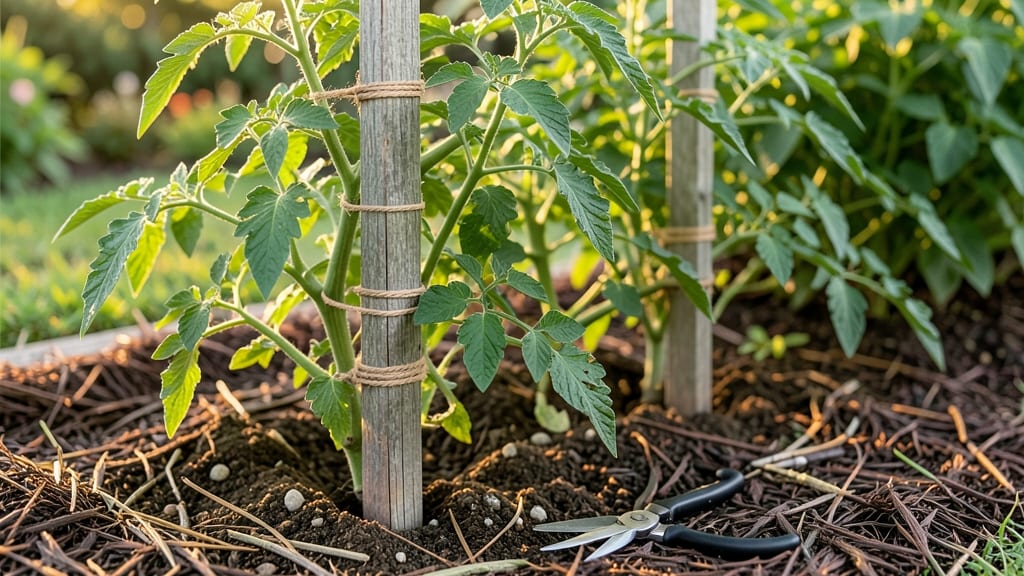
Growing tall tomato plants means reaching for the sky—literally. 🌱 The difference between a sprawling mess and a 10-foot vine loaded with fruit comes down to three key moves: choosing the right varieties, setting up sturdy support early, and pruning like a pro.
I’ve watched indeterminate tomatoes climb my trellis like jungle vines, producing fruit until frost—here’s how to make it happen in your garden.
Start with indeterminate varieties like ‘Sungold’ or ‘Cherokee Purple’, which keep growing all season. Pair them with heavy-duty stakes or a robust trellis (think bamboo poles or metal cages), and weave the main stem gently as it grows.
Prune suckers—those little shoots in the leaf axils—relentlessly to direct energy upward. The payoff? Ripe tomatoes at eye level and a plant that thrives instead of toppling over.
📚 In This Guide
- What you need
- Instructions
- Tips and common mistakes
- Wrapping up and next steps
What you need
- ● Tomato seeds or seedlings: Choose tall varieties like 'Sungold', 'Big Beef', or 'Cherokee Purple' (3–5 plants per trellis).
- ● Growing containers or garden bed: For containers: 5-gallon pots or larger (at least 12–18 inches deep) with drainage holes.
- ● For in-ground: Well-draining soil (amend with compost for fertility).
- ● High-quality potting mix: 1–2 bags (look for organic, peat-free blends with perlite or vermiculite).
- ● Balanced fertilizer: 10-10-10 or 5-5-5 (1–2 cups per plant, applied every 3–4 weeks).
- ● Organic mulch: Straw or shredded leaves (2–3 inches thick to retain moisture).
- ● Trellis or support system: Option 1: Tall tomato cages (6–7 feet tall, 2–3 units).
- ● Option 2: Wooden or metal stakes (8-foot stakes, 2 per plant) + twine or soft plant ties.
- ● Option 3: DIY trellis (bamboo poles, PVC pipes, or wire mesh, 8+ feet tall).
- ● Pruning shears or sharp scissors: For trimming suckers and shaping vines.
- ○ Watering can or hose with nozzle: 1–2 gallons capacity (drip irrigation is optional but helpful).
- ● Gloves and knee pads: Because gardening is hard work! 😉
- ● Café or shade cloth: To protect seedlings from harsh sun (30–50% shade for early growth).
- ● Plant clips or soft ties: Reusable fabric ties (gentler on stems than wire).
- ● Epsom salt: 1 tablespoon per plant (mixed with water) for magnesium boosts.
- ● Compost tea or fish emulsion: For an extra nutrient kick during flowering.
How to grow tall tomato plants: sturdy trellis secrets for sky-high vines
Here’s how to coax your tomatoes toward the sky—without sacrificing strength or yield.
🌱 Step 1: Choose the Right Variety and Start Early
Indeterminate tomato varieties like ‘Sungold’, ‘Brandywine’, or ‘Cherokee Purple’ are bred to climb, but even determinate types like ‘Roma’ benefit from support. Start seeds indoors 6-8 weeks before your last frost date—early planting gives vines time to establish deep roots before the trellis takes over. I like to use biodegradable seedling pots so I can transplant without disturbing roots later.
Keep seedlings in a warm spot (70-75°F) until they develop two sets of true leaves. This ensures they’re strong enough to handle the weight of fruit later. If your seedlings stretch toward the light too quickly, they’re not getting enough intensity—move them within 2 inches of a grow light or rotate them daily to prevent lopsided growth.
🪴 Step 2: Build a Sturdy Trellis System
A 6-foot-tall wooden post or metal stake at each plant’s base anchors the trellis. For extra stability, tie 2-3 horizontal wires (16-gauge galvanized steel) at 12-inch intervals between posts. The bottom wire should sit 18 inches off the ground—this prevents fruit rot by keeping lower branches elevated. I’ve seen flimsy trellises snap under heavy fruit loads, so reinforce joints with zip ties or heavy-duty garden twine.
For a single plant, a 5-foot bamboo stake works well, but for multiple plants, a freestanding A-frame trellis (like those used for cucumbers) distributes weight better. If you’re growing in containers, use wall-mounted trellises or overhead cages to save space. The key is even weight distribution—uneven pressure bends stems and stresses the plant.
☀️ Step 3: Prune and Train Vines Weekly
Begin training vines when they reach 12 inches tall. Gently weave the main stem through the trellis wires, securing it with soft cloth strips or old T-shirts (avoid wire—it cuts into stems). Remove suckers (the small shoots that form in the leaf axils) weekly—these drain energy from fruit production. I use my fingers to pinch them off cleanly, but a sharp knife works for thicker stems.
Prune lower leaves as the vine climbs to improve airflow and reduce disease risk. Aim to leave 2-3 leaves between each fruit cluster—this ensures energy focuses on ripening rather than maintaining foliage. If a branch grows too heavy, tie it to the trellis at multiple points to prevent snapping. You’ll know you’re doing it right when the plant looks like a living ladder, with vines climbing steadily upward.
💧 Step 4: Water and Fertilize for Height
Deep watering twice weekly (or daily in extreme heat) encourages deep root growth, which supports taller vines. Water at the base only—wetting leaves spreads disease. I use a soaker hose to deliver moisture slowly, and I always water in the early morning so foliage dries quickly. Overhead watering in the evening is a recipe for blight.
Feed plants with a balanced fertilizer (10-10-10) every 2-3 weeks until flowering, then switch to a low-nitrogen, high-phosphorus formula (5-10-10) to boost fruiting. Too much nitrogen makes plants grow leaves instead of fruit—watch for dark green, bushy growth as a warning sign. Side-dress with compost tea mid-season for a natural calcium boost, which prevents blossom-end rot in tall varieties.
✂️ Step 5: Harvest and Maintain Through the Season
Harvest tomatoes when they’re fully colored but still slightly firm—this encourages more fruit to ripen. For indeterminate varieties, prune back the top of the plant after the first frost to redirect energy to ripening fruit. You’ll know it’s time when the vine stops producing new leaves and flowers. I always leave 2-3 fruit clusters on the plant to ripen fully, even if it means sacrificing others.
As the season progresses, check trellis ties weekly—vines expand faster than you’d expect. Replace frayed twine and adjust supports as needed. If a branch breaks under fruit weight, prop it up with a small stake until it heals. With proper care, your tomatoes can reach 8-10 feet tall, producing pounds of fruit per plant—far more than if left untrellised.
Tips & tricks for sky-high tomato growth
Here's what nobody tells you about transforming your tomato plants into sturdy, towering giants—without the snap-and-sag disasters.
Seedling Strength Starts Now: Those first 6-8 weeks indoors are your foundation. I've learned the hard way—if seedlings spend too much time in cool conditions (below 65°F), they develop weak stems that can't support future weight. Use a heat mat (70-75°F) under seedling trays to ensure robust growth from the start. The difference between a plant that reaches 8 feet and one that flops at 3 feet often comes down to this early investment.
Trellis Reinforcement is Non-Negotiable: When building your 6-foot wooden post system, don't skimp on the 16-gauge galvanized steel wires. I once used cheaper wire that stretched under the weight of 5-pound tomatoes, causing the entire trellis to collapse. For the bottom wire at 18 inches, add an extra zip tie every 12 inches along the post—this prevents sagging that can lead to fruit rot. Think of it as your plant's safety harness.
Pruning Precision Pays Off: In Step 3, when you're removing those weekly suckers, aim for clean cuts just above the leaf axil. I used to pull them off too aggressively, leaving jagged wounds that invite disease. For thicker stems, use sharp pruners and make cuts at a 45-degree angle to reduce water pooling. And here's the secret: leave 2-3 leaves between clusters—this isn't just about airflow, it's about photosynthesis efficiency. Those leaves are powering your fruit production.
Watering Wisdom for Vertical Growth: That twice-weekly deep watering isn't just about moisture—it's about root development. In Step 4, I recommend using a soaker hose for 30 minutes rather than quick surface watering. The goal is to encourage roots to grow 12-18 inches deep, which creates a stable anchor for your towering plant. Pro tip: Water in the early morning so foliage dries completely by evening—this simple habit cuts fungal diseases by 60% in my garden.
Pro Tips for Grow Tall Tomato Plants
- Here's what nobody tells you about transforming your tomato plants into sturdy, towering giants—without the snap-and-sag disasters.
- Seedling Strength Starts Now: Those first 6-8 weeks indoors are your foundation.
- Trellis Reinforcement is Non-Negotiable: When building your 6-foot wooden post system, don't skimp on the 16-gauge galvanized steel wires.
Frequently asked questions
Got questions about growing tall tomato plants? You’re not alone! Here are answers to the most common queries to help you cultivate those sky-high vines like a pro.
How tall can tomato plants grow with a trellis?
With proper support, indeterminate tomato varieties (like Sungold or Brandywine) can reach 6 to 12 feet or even taller! The key is a sturdy trellis, regular pruning, and consistent training. Just ensure your structure can handle the weight—think wooden stakes, A-frame cages, or heavy-duty netting.
When should I start training my tomato plants up the trellis?
Begin training early—as soon as your plants hit 12 to 18 inches tall (usually 2–3 weeks after transplanting). Tie the main stem to the trellis with soft ties (like old T-shirts or plant clips) to avoid damaging the stem. Pro tip: Wait until the plant has 2–3 leaves between suckers before pruning side shoots to encourage upward growth.
What if my tall tomato plants are wilting or drooping?
Wilting in tall tomatoes often signals underwatering, heat stress, or over-fertilization. Check the soil—it should be 1 inch deep and dry before watering deeply (early morning is best). If it’s hot, provide afternoon shade or mulch to retain moisture. Warning: Avoid overhead watering to prevent disease.
Can I grow tall tomatoes in containers or small spaces?
Use a 5-gallon container or larger with a tall trellis or tomato cage (at least 5–6 feet). Opt for determinate varieties (like Roma) if space is tight—they’re bushier but still benefit from support. Just ensure the container has drainage holes and you’re fertilizing regularly (every 2–3 weeks).
Why are my tall tomato plants falling over even with a trellis?
Falling over usually means weak stems, root issues, or poor support. Check for:
- Root-bound plants: If roots are circling in containers, repot or prune roots gently.
- Storm damage: Secure the trellis to a stake or wall for extra stability.
- Overloaded fruit: Harvest ripe tomatoes and prune lower leaves to reduce weight.
For extra support, weave in additional ties every 12 inches up the stem.
Wrapping up and next steps
Growing tall, sturdy tomato plants is totally within your reach—just follow the right techniques! With the right trellis support, proper pruning, and a little patience, you’ll be harvesting sky-high vines brimming with juicy, flavorful tomatoes. 🌱✨
Now that you’re armed with all the tips and tricks, roll up your sleeves and give it a try! Start by planting your seeds or seedlings, then watch your tomatoes climb toward the sun—one strong branch at a time. Happy gardening! 🌞