
How To
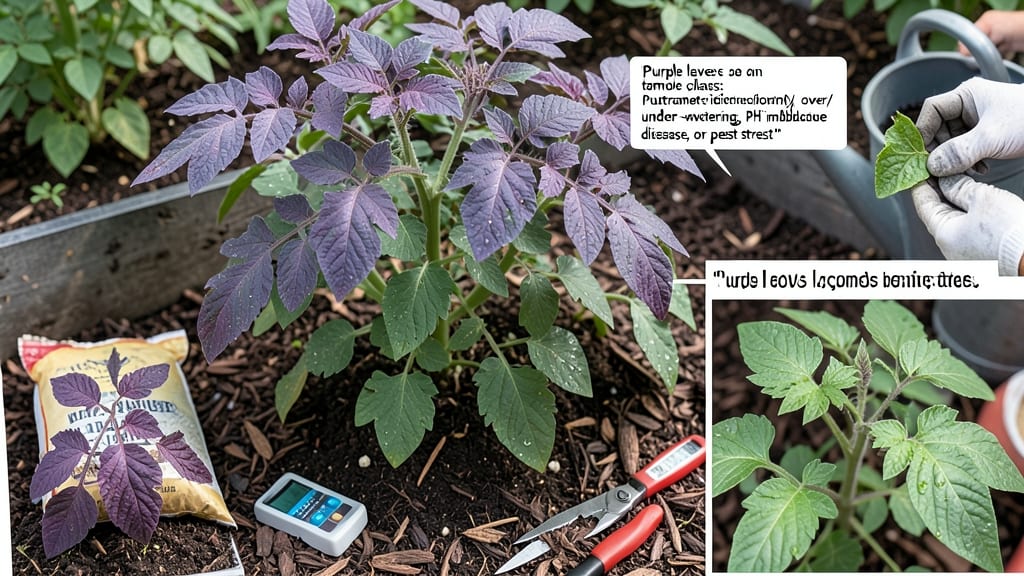
Purple tomato leaves mean one thing: your plants are screaming for calcium. 🌱 I’ve seen this happen after a sudden heatwave or when soil pH gets wonky, and the fix is simpler than you’d think—just a few targeted steps to get those leaves back to vibrant green.
Start with a calcium supplement (like crushed eggshells or gypsum) mixed into the soil around the roots. Water well to help absorption, and repeat every 2-3 weeks until new growth appears.
The purple fades within 7-10 days if the calcium levels are the issue, but watch for other signs like yellowing or wilting—those could mean something else is off. Once the leaves perk up, keep an eye on soil moisture and mulch to prevent future stress.
A balanced fertilizer with micronutrients can also help, but don’t overdo it—tomatoes hate too much nitrogen. You’ll know you’ve nailed it when those leaves turn a rich, healthy green again.
📚 In This Guide
- What you need
- Instructions
- Tips and common mistakes
- Wrapping up and next steps
What you need
- ● Calcium source: 1–2 tbsp of calcium chloride (15–20% calcium) or
- ● 1–2 tbsp of calcium nitrate (15.5% calcium, 10% nitrogen)
- ● Water: 1 gallon (for mixing)
- ● Spray bottle or watering can (with a fine mist nozzle)
- ○ Garden gloves (optional but recommended 🧤)
- ● pH test kit (to check soil pH, ideally 6.0–6.8 for tomatoes)
- ● Trowel or small shovel (for soil amendments if needed)
- ○ Epsom salt (magnesium sulfate) (1 tbsp per gallon, optional but helpful if leaves show magnesium deficiency too)
- ● 1 tbsp of potassium nitrate (for extra vigor)
- ● Compost or well-aged manure (to improve soil structure)
- ● Mulch (straw or grass clippings to retain moisture)
- ● Soil moisture meter (to avoid over/under-watering)
Step-by-Step guide to revitalizing purple tomato leaves
Purple leaves on your tomatoes? Here's how to diagnose and fix the issue for lush, green growth.
🌿 Step 1: Confirm the Problem Isn't Environmental Stress
First, rule out temporary issues like cold snaps or drought. Purple leaves often signal calcium deficiency, but they can also appear when temperatures drop below 50°F or when soil moisture fluctuates wildly. Check your plants in the morning—if the purple fades slightly in sunlight, it's likely environmental stress rather than a deficiency.
Move potted plants to a sheltered spot or cover garden plants with frost cloth if nights dip below 55°F. Water consistently—1-1.5 inches per week—without letting soil dry completely between waterings. Purple leaves from stress should improve within 3-5 days of stable conditions.
💧 Step 2: Test Soil pH and Add Lime if Needed
Tomatoes thrive in soil with a pH between 6.2 and 6.8. Purple leaves often appear when soil is too acidic, preventing calcium uptake. Grab a soil test kit or send a sample to your local extension office for precise results. If your pH reads below 6.0, it's time to amend.
Sprinkle 1-2 pounds of garden lime per 100 square feet over the soil surface. Work it into the top 6 inches of soil, then water deeply. Lime takes 2-4 weeks to adjust pH, so don't expect immediate results. For container plants, mix 1 tablespoon of dolomitic lime per gallon of potting mix and repot if needed.
☀️ Step 3: Apply Calcium-Rich Fertilizer or Amendments
Even with proper pH, calcium deficiency (blossom end rot's cousin) causes purple leaves. Use calcium nitrate (0.5 tablespoons per gallon of water) or crushed eggshells (1 cup per plant) as your calcium source. For garden beds, scatter 1 pound of gypsum per 100 square feet—it won't alter pH but provides instant calcium.
Apply amendments when soil is moist but not soggy. Water thoroughly after adding to help roots absorb the calcium. Purple leaves should fade within 7-10 days if the deficiency was the primary issue. Avoid high-nitrogen fertilizers during this time—they can worsen calcium uptake problems.
✂️ Step 4: Prune Affected Leaves and Monitor Growth
Once you've addressed the root causes, remove severely purple leaves to redirect the plant's energy. Use clean, sharp pruners to cut just above a leaf node. This prevents disease spread and encourages new, healthy foliage. Don't remove more than 20% of the plant's leaves at once—tomatoes need their leaf surface to photosynthesize.
Watch for new growth at the stem's base. Healthy leaves should emerge green and firm within 5-7 days. If purple persists after two weeks, retest your soil pH or consider a foliar spray of calcium chloride (1 teaspoon per gallon of water) applied in the early morning. Avoid spraying when leaves are wet to prevent fungal issues.
🌱 Step 5: Prevent Future Purple Leaves with Ongoing Care
Keep soil consistently moist but never waterlogged—fluctuations stress roots and hinder calcium absorption. Mulch with 2-3 inches of straw or wood chips to maintain even moisture and prevent temperature swings. For container plants, use self-watering pots to automate moisture control.
Rotate crops annually—tomatoes shouldn't return to the same spot for 3 years. This breaks disease cycles and prevents soil depletion. If you grow tomatoes in containers, refresh the potting mix yearly with 20% compost and 10% perlite to maintain ideal calcium availability.
Tips & tricks for revitalizing tomato leaves
These practical insights will help you diagnose and treat purple tomato leaves like a seasoned gardener.
Morning Light Test: The quickest way to determine if purple leaves are stress-related is to check them in the morning sunlight. If the purple hue fades significantly within minutes, environmental stress is likely the culprit. This simple test saves you from unnecessary soil amendments when all you need is better protection from cold snaps or more consistent watering.
Lime Application Technique: When adding the 1-2 pounds of garden lime per 100 square feet, work it into the top 6 inches of soil rather than just sprinkling it on the surface. This ensures the lime reaches the root zone where it can effectively adjust pH. For container plants, mix the dolomitic lime thoroughly with the potting mix to prevent clumping.
Calcium Delivery Strategy: For maximum calcium absorption, apply your calcium nitrate solution or crushed eggshells when the soil is moist but not soggy. This creates the ideal environment for roots to uptake the calcium. Think of it like giving your plants a drink of calcium-rich water—they'll absorb it much more efficiently when the soil is properly hydrated.
Pruning Precision: When removing purple leaves in Step 4, always cut just above a leaf node where new growth emerges. This encourages the plant to redirect its energy to healthy new leaves rather than struggling to maintain damaged foliage. Remember, never remove more than 20% of the leaves at once—your tomatoes need that leaf surface to photosynthesize and produce energy.
Pro Tips for Fix Purple Tomato Leaves
- These practical insights will help you diagnose and treat purple tomato leaves like a seasoned gardener.
- Morning Light Test: The quickest way to determine if purple leaves are stress-related is to check them in the morning sunlight.
- Lime Application Technique: When adding the 1-2 pounds of garden lime per 100 square feet, work it into the top 6 inches of soil rather than just sprinkling it on the surface.
Frequently asked questions
Got questions about purple tomato leaves? You’re not alone!
Here are some of the most common concerns—and quick fixes—to keep your plants thriving.
Why are my tomato leaves turning purple?
Purple leaves usually mean a calcium deficiency (or sometimes magnesium or phosphorus issues). Overwatering, poor soil drainage, or nutrient imbalances can trigger this. Check your soil pH too—tomatoes prefer 6.0–6.8.
How fast can I fix purple tomato leaves?
With immediate calcium treatment (like crushed eggshells or calcium nitrate), you may see improvement in 3–7 days. However, severe cases might take 2–3 weeks to fully recover. Consistency is key!
Can I use Epsom salt for purple tomato leaves?
Yes! If the issue is magnesium deficiency (not just calcium), mix 1 tablespoon of Epsom salt per gallon of water and spray it on leaves. But for pure purple leaves, calcium-based fixes work better. Test your soil first!
Will purple leaves affect my tomato harvest?
If left untreated, purple leaves can weaken plant health, reduce yield, or even cause blossom-end rot. However, if you act fast and adjust care, your tomatoes can still grow big and juicy! Just monitor for new growth.
What’s the best natural remedy for purple tomato leaves?
Try these DIY fixes:
- Crushed eggshells: Mix into soil for slow-release calcium.
- Milk or yogurt: Water plants with a 1:10 dilution (lactic acid helps calcium uptake).
- Wood ash: Sprinkle lightly around the base (but avoid overdoing it—it raises pH!).
Wrapping up and next steps
Fixing purple tomato leaves is all about restoring balance—whether through proper calcium, pH adjustments, or better soil health. With patience and the right care, your plants will bounce back, yielding juicy, vibrant tomatoes in no time! 🌱✨
Ready to see those leaves turn green again? Start by applying your chosen fix (like crushed eggshells or calcium supplements) and keep a watchful eye on your plants. Monitor progress weekly—you’ve got this!