
How To
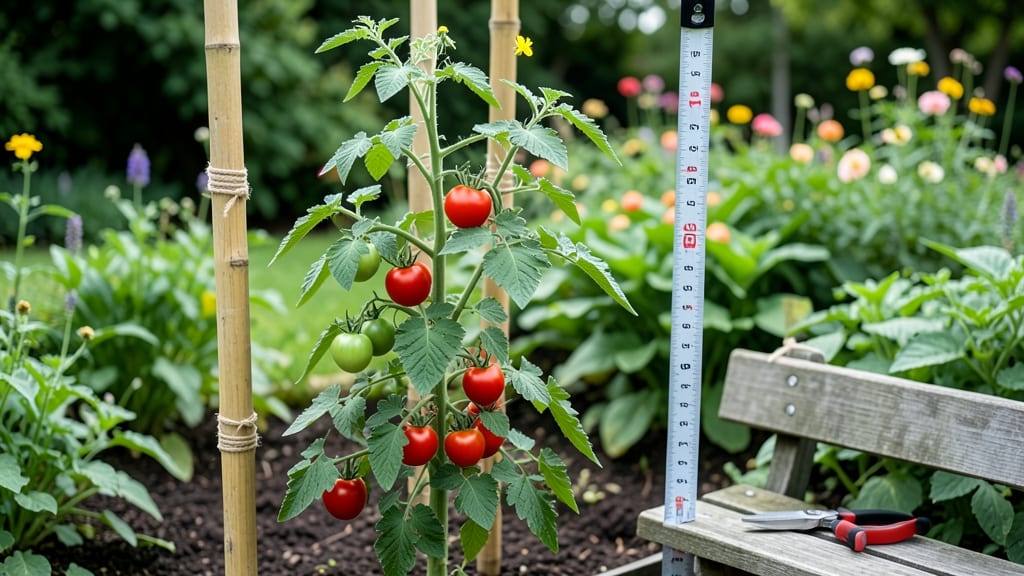
Deciding how tall to let tomato plants grow can be tricky—they often reach 6 feet for indeterminate varieties, but stopping them too soon means fewer tomatoes. 🌱 I learned this the hard way when my cherry tomatoes sprawled everywhere, shading the soil and producing tiny fruit.
The height you let them reach depends entirely on whether you're growing determinate (bush) or indeterminate (vining) types, and how you plan to support them.
Determinate tomatoes top out around 3-5 feet and produce all their fruit at once, making them perfect for canning or heavy harvests in a small space.
Indeterminate varieties keep growing until frost, so they need strong trellises or cages to reach their full 6-10 foot potential—and that extra height means more fruit over a longer season.
The key is balancing height with airflow to prevent disease, which is why pruning suckers (those little shoots in the leaf axils) makes all the difference.
📚 In This Guide
- What you need
- Instructions
- Tips and common mistakes
- Wrapping up and next steps
What you need
- ● Tomato plants: Choose varieties suited to your climate and desired height (e.g., determinate for compact growth, indeterminate for vining).
- ● Support structures (pick based on plant height): Cages or stakes: 4–6 ft tall for determinate varieties (e.g., Roma, Celebrity).
- ● Trellis or tall stakes: 6–10+ ft for indeterminate varieties (e.g., Sungold, Brandywine).
- ○ Floating row covers (optional but helpful for early support).
- ● Garden twine or soft plant ties: 20–50 ft (biodegradable ties are eco-friendly!).
- ● Pruning shears: Sharp, clean pair for trimming suckers and dead leaves.
- ● Balanced fertilizer: 10-10-10 or organic options like compost/manure (follow package rates).
- ● Mulch: Straw, grass clippings, or wood chips (2–3 inches deep) to retain moisture.
- ● Plant clips or Velcro ties: Gentler alternative to twine for delicate stems.
- ● Drip irrigation system: Saves time and ensures consistent watering.
- ● Growth regulators (e.g., seaweed extract): Can promote bushier growth in tall varieties.
- ● Sunlight meter: To monitor light exposure (tomatoes need 6–8+ hours daily!).
How to determine tomato plant height for optimal growth and yield
Tomato plant height isn't one-size-fits-all—each variety has its own ideal growth range for maximum fruit production.
🌱 Step 1: Identify Your Tomato Variety's Natural Growth Habit
Determine whether you're growing determinate (bush) or indeterminate (vining) varieties—this dictates how tall you should let them grow. Determinate tomatoes naturally top out at 3-5 feet and produce fruit all at once, making them ideal for canning. Indeterminate types keep growing 6-12 feet tall (or higher with support) and produce fruit continuously until frost.
Check your seed packet or plant tag for variety names like 'Roma' (determinate) or 'Sungold' (indeterminate). If unsure, observe growth patterns: bushy plants that stop growing are determinate; those that keep reaching are indeterminate. This distinction affects pruning, staking, and harvest timing.
☀️ Step 2: Provide Support Based on Expected Height
For determinate varieties reaching 3-5 feet, use cages (4-5 feet tall) or stakes (5-6 feet) to prevent sprawling. The goal is to contain growth without restricting airflow—crowded plants invite disease. I install cages at planting time to avoid disturbing roots later.
Indeterminate plants need stronger support: 6-foot cages, trellises (8+ feet), or bamboo stakes (6-8 feet). These varieties grow indefinitely until frost, so support must accommodate their full height. Watch for suckers (side shoots) forming in leaf axils—remove these to direct energy upward rather than outward.
✂️ Step 3: Prune for Structural Integrity and Airflow
For determinate tomatoes, minimal pruning is needed—focus on removing suckers below the first flower cluster to improve airflow. These plants produce fruit on all branches, so aggressive pruning reduces yield. The key is light thinning: remove only yellowing leaves or damaged growth near the base.
Indeterminate varieties benefit from regular pruning: remove suckers larger than a pencil to maintain a main stem diameter of 2-3 inches. This encourages larger fruit and prevents blossom end rot by improving calcium uptake. Stop pruning 4-6 weeks before frost to let remaining leaves ripen existing fruit.
🌿 Step 4: Monitor Growth and Adjust Support as Needed
Check plant height weekly and adjust support if stems exceed cage height by more than 12 inches. For indeterminate types, tie stems to the trellis every 10-12 inches using soft plant ties—tightening too much restricts growth. Look for leaves touching the ground: this signals the plant needs taller support or more frequent pruning.
Watch for top-heavy growth (long stems with few leaves). This happens when plants outgrow their support or receive inconsistent watering. Increase staking height or water deeply at soil level (not overhead) to stabilize growth. A healthy tomato plant should have leaves spaced 6-12 inches apart along the stem.
⏰ Step 5: Time Harvests Based on Plant Height and Variety
Determinate tomatoes stop growing at maturity, so harvest within 2-3 weeks of peak ripeness to avoid overripe fruit. Pick when tomatoes change from green to their mature color and yield slightly to gentle pressure. Over-mature fruit on the vine reduces flavor and quality—don't wait for "perfect" ripeness if the plant is done producing.
Indeterminate varieties continue producing until frost, so harvest every 2-3 days to encourage more fruit. These plants often grow taller than expected in warm climates—don't prune aggressively late in the season, as leaves still photosynthesize to support ripening fruit. If frost threatens, harvest green tomatoes and ripen indoors with ethylene-producing apples in a paper bag.
Tips & tricks for perfect tomato plant growth
Mastering tomato plant height isn't about strict rules—it's about understanding your plants' natural tendencies and adapting. Here's what I've learned after years of trial and error in the garden.
Variety-Specific Support: The 3-5 foot range for determinate tomatoes isn't just a suggestion—it's their natural growth ceiling. I've seen gardeners use 4-5 foot cages for these varieties, but the key is matching support to the plant's mature height. For indeterminate types, don't skimp on height—those 6-12 foot ranges are non-negotiable for continuous production. I've had Sungold vines reach 15 feet in ideal conditions, but even 6-foot cages work if you're vigilant about tying stems.
Pruning Precision: That pencil-sized sucker rule in Step 3 is crucial—anything larger will compete with your main stem. I measure suckers against a pencil before removing them, and I've found that maintaining a 2-3 inch main stem diameter makes all the difference for indeterminate varieties. The 4-6 week pruning cutoff before frost is equally important: I've seen plants with aggressive late-season pruning produce significantly smaller fruit as they struggle to recover.
Harvest Timing Intelligence: The 2-3 week harvest window for determinates might seem short, but it's designed to catch fruit at peak flavor. I've learned to check plants every 3 days during this window—waiting just a week can mean the difference between vibrant red tomatoes and mealy, overripe ones. For indeterminates, that every 2-3 day harvest schedule keeps plants producing longer by preventing overburdening of the vine.
Growth Monitoring: Those weekly height checks in Step 4 reveal more than just growth rates—they show plant health. I've noticed that stems exceeding cage height by more than 12 inches often indicate either inconsistent watering or nutrient deficiencies. The leaf spacing guideline of 6-12 inches is equally telling: plants with leaves closer than 6 inches often need more light or better airflow.
Pro Tips for How Tall To Let Tomato Plants Grow
- Mastering tomato plant height isn't about strict rules—it's about understanding your plants' natural tendencies and adapting.
- Variety-Specific Support: The 3-5 foot range for determinate tomatoes isn't just a suggestion—it's their natural growth ceiling.
- Pruning Precision: That pencil-sized sucker rule in Step 3 is crucial—anything larger will compete with your main stem.
Frequently asked questions
Got questions about letting your tomato plants reach their full potential? Here are some of the most common ones—plus clear, practical answers to help you grow like a pro!
How tall can indeterminate tomato plants grow if left unpruned?
Indeterminate varieties can grow incredibly tall—some even reach 10 to 15 feet or more in ideal conditions! Without pruning or support, they’ll sprawl and produce fruit all season long. However, they’ll need strong trellises, cages, or stakes to prevent breakage. Think of them like vines—give them room to climb!
Should I prune determinate tomato plants at all?
Determinate tomatoes are self-limiting—they grow to a set height (usually 3–5 feet) and produce fruit in one big flush before stopping. Pruning them lightly (removing suckers or diseased leaves) helps airflow, but don’t trim them back drastically. Over-pruning can reduce yield. Focus on removing only what’s necessary for plant health.
When is the best time to prune tomato plants for height control?
Prune early and often—start when plants are young (6–12 inches tall) and continue throughout the growing season. Remove suckers (the shoots that grow between the stem and branches) in the morning so wounds heal faster. Avoid heavy pruning late in the season, as it can stress plants before harvest. Think of it like trimming your hair—small, regular cuts work best!
What’s the ideal height for cherry tomatoes to maximize yield?
Cherry tomatoes (often indeterminate) thrive when allowed to grow 6–8 feet tall with proper support. Their compact fruit clusters form along the vine, so the taller they grow, the more yield you’ll get—just ensure they’re staked or caged. If space is tight, prune to 4–5 feet for easier maintenance, but expect slightly fewer tomatoes.
My tomato plant is leaning or falling over—how do I fix it without stunting growth?
If your plant is top-heavy, add support immediately—use bamboo stakes, tomato cages, or a sturdy trellis. Gently tie the main stem to the support with soft plant ties (avoid wire or tight knots). For extra stability, bury the stake deeper or add a second one. If the plant is already leaning, prune the top slightly to balance it, but don’t overdo it—focus on support, not height reduction.
Wrapping up and next steps
Finding the perfect height for your tomato plants isn’t just about space—it’s about harvesting the best fruit possible!
Whether you’re growing cherry tomatoes that thrive at 4 feet or indeterminate giants reaching 10+ feet, understanding your variety’s needs will boost your yield. Prune, support, and monitor your plants regularly to keep them healthy and productive.
Ready to grow like a pro? Start experimenting with stakes, cages, or trellises this season and watch your tomatoes flourish! 🌱🍅