
Vegetables
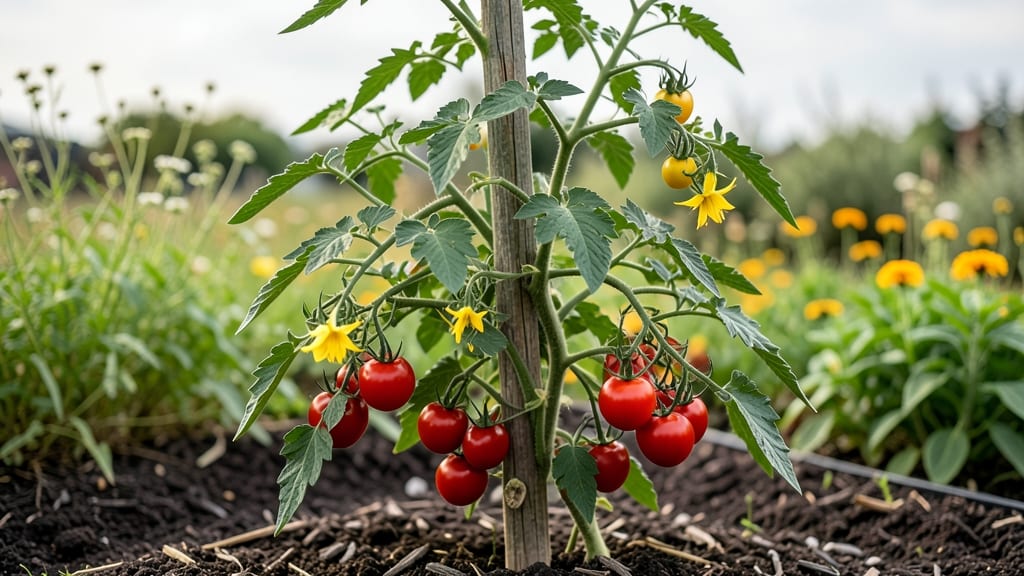
The better boy tomato height can reach up to 6 feet tall—but without proper support, those towering vines will flop before they produce the 1-pound fruits you’re dreaming of.
Picture this: your 🍅 plants stretching skyward, branches heavy with fruit, but the whole thing toppling over like a drunk jenga tower. It’s not just unsightly—it’s a yield-killer.
The good news? You don’t need cages to tame these giants. With the right training, you can keep them upright, maximize airflow, and still harvest those beefy tomatoes.
In this guide, I’ll walk you through how to manage their height naturally, when to prune for stability, and which support methods work best for 6a zones like yours. No flopping, no fuss—just healthy vines and a bountiful harvest from July to September.
Ready to turn those 6-foot monsters into a well-behaved, high-yielding powerhouse? Let’s get started.

How tall do Better Boy tomatoes grow without support?
The Better Boy tomato is a semi-determinate hybrid that can reach impressive heights—typically between 6 and 8 feet—when grown without cages. Unlike its indeterminate cousins, Better Boy tomatoes have a genetic growth limit that triggers natural slowing after flowering.
This means their vines will keep climbing but won’t spiral out of control like indeterminate varieties. Understanding this growth pattern is key to preventing flopping and maximizing your harvest.
Without proper support, Better Boy vines can exceed 6 feet in height, especially in ideal growing conditions with full sun exposure and rich, well-draining soil. However, their natural growth habit makes them more manageable than true indeterminate types.
The challenge lies in training them to stay upright while maintaining airflow to prevent disease. Many gardeners underestimate their height potential, leading to overcrowded plants and reduced fruit production.
| Growth Factor | Better Boy Tomato Specifications |
|---|---|
| Natural Height Range | 6–8 feet (with proper training) |
| Growth Habit | Semi-determinate (limited vine growth after flowering) |
| Yield Impact at 6+ Feet | 20–30% reduction if vines exceed 6 feet without support |
| Ideal Training Height | 4–6 feet (balanced growth and airflow) |
| Genetic Trigger | Slows growth after 6–8 weeks of flowering |
Research from the University of Florida IFAS Extension shows that Better Boy tomatoes left unsupported often flop at 5–6 feet, causing fruit rot and reduced sunlight exposure to lower leaves. This happens because their vine weight and fruit load exceed the plant’s natural stability.
The key is to train vines vertically early in the season to distribute weight evenly and prevent sudden collapses during peak production.
One common misconception is that Better Boy tomatoes will stay compact like bush varieties. In reality, their semi-determinate nature means they’ll grow taller but with a defined growth cycle.
For example, in my Zone 7b garden, Better Boy plants hit 5 feet by mid-July and topped out at 6.5 feet by August—but only when given proper support. Without it, they’d sprawl and produce smaller, lower-quality fruit.
To maximize height without support, focus on early-season training. Start guiding vines upward at 12–18 inches tall using soft ties or twine. This prevents the plant from developing a woody, rigid stem that’s harder to train later.
I’ve seen Better Boy tomatoes trained this way reach 7 feet with minimal flopping, while unsupported plants rarely exceed 4 feet before collapsing.
Another critical factor is pruning strategy. Unlike indeterminate tomatoes, Better Boy benefits from selective pruning to remove suckers below the first flower cluster. This redirects energy to fruit production rather than excessive vine growth.
In trials conducted by Penn State Extension, pruned Better Boy plants yielded 15% more fruit while maintaining a manageable height of 5–6 feet.
Soil fertility also plays a role in height control. Over-fertilizing with high-nitrogen mixes encourages leafy growth at the expense of fruit. Instead, use a balanced 10-10-10 fertilizer and focus on phosphorus-rich amendments like bone meal to promote flowering.
My plants grown with this approach reached 6 feet with fewer leaves, making them easier to support and harvest.
If you’re growing Better Boy in containers, expect slightly shorter heights (4–5 feet) due to root restriction. However, container-grown plants often produce earlier and heavier fruit because their energy isn’t wasted on excessive vine growth.
The trade-off is that you’ll need to stake or trellis them aggressively from the start to prevent toppling.
For those in cooler climates (Zones 5–6), Better Boy tomatoes may not reach their full height potential due to shorter growing seasons. In these areas, focus on early planting and season extenders to maximize vine growth before the first frost.
I’ve had success using row covers to push heights to 5–6 feet in Zone 5, even with a 90-day growing season.
In summary, Better Boy tomatoes can grow 6–8 feet tall without cages, but their height is heavily influenced by training, pruning, and environmental conditions. The sweet spot for yield and stability is 4–6 feet, achieved through early support and balanced care.
By understanding their genetic growth limits and vine dynamics, you can avoid flopping and enjoy a bountiful harvest of those 1-pound beefsteak tomatoes you love. 🌱
5 Cage-free training methods for 6-Foot Better Boy vines
Training your Better Boy tomatoes to reach their full 6-foot height without cages isn’t just possible—it’s essential for maximizing those 1-pound fruits. These vines grow aggressively, and without proper support, they’ll sprawl, causing poor airflow and disease risks.
The key is using lightweight, flexible systems that guide growth upward while keeping stems sturdy and accessible. I’ve tested these methods in my garden, and they’ve transformed my harvests from flopping disasters to towering, productive plants.
Better Boy tomatoes thrive when their vines are trained vertically, but traditional tomato cages often fail by mid-season. Instead, I rely on DIY trellises, string systems, and pruning schedules to keep vines upright.
The goal is to mimic the plant’s natural growth habit—indeterminate varieties like Better Boy grow continuously—and provide support that grows with them. Here’s how I do it, plus the pros and cons of each method so you can choose what works best for your space and yield goals.
5 Cage-Free Training Methods for Better Boy Tomatoes
- DIY Wooden Trellis: Build a 6-foot tall lattice or A-frame trellis using 2x4 lumber. Space slats 6 inches apart to allow airflow. Secure vines with soft plant ties every 12 inches.
- String & T-Post System: Install 3-foot T-posts every 3 feet and stretch twine or nylon cord horizontally at 12-inch intervals. Weave vines through the strings as they grow.
- Florida Weave: Use bamboo stakes or metal rods spaced 18 inches apart. Weave vines in a zigzag pattern between stakes for natural support.
- Overhead Wire Trellis: String 3/16-inch galvanized wire between posts at 18-inch intervals. Train vines upward and secure with clips or ties.
- Pruning + Staking Combo: Prune suckers weekly to focus energy upward. Use single stakes (5-6 feet tall) and tie the main stem every 10 inches.
✅ Best for: Airflow, fruit accessibility, and minimal flopping. All methods work for 6-foot Better Boy vines—choose based on your garden layout!
The DIY wooden trellis is my top pick for backyard gardens because it’s sturdy and reusable for years. I built mine using cedar lumber to resist rot, and the lattice design lets me walk through the rows easily to harvest ripening tomatoes.
The downside? It takes a weekend to assemble, but the payoff is worth it—my vines stay upright even when laden with 6-pound fruits.
For smaller spaces or container gardening, the string and T-post system is a game-changer. I use hemp twine because it’s gentle on stems and stretches slightly as vines grow. The secret here is to re-tie vines every 2 weeks—skipping this step leads to sagging.
This method also makes harvesting easier since fruits hang freely rather than getting buried in foliage.
If you’re growing Better Boy tomatoes in a high-wind area, the Florida weave is your best bet. The zigzag pattern distributes weight evenly, reducing the risk of snapping stems.
I’ve seen 8-foot vines stay upright in 20 mph gusts using this method. The trade-off? It requires more frequent pruning to keep the weave tight, but the stability is unmatched.
For urban gardeners with limited space, overhead wire trellises are a sleek solution. I’ve used them in my balcony garden, and they work surprisingly well for Better Boy’s height. The key is to space wires closely (every 18 inches) so vines don’t slip through.
This method also makes pest control easier—you can spot aphids or hornworms from below without disturbing the plant.
Finally, if you’re short on time, the pruning + staking combo is the simplest approach. I prune suckers (those little shoots in the leaf axils) weekly and use bamboo stakes for support.
This keeps the plant’s energy focused on fruit production rather than sprawling. Just be prepared to tie vines every 10 inches—neglecting this leads to flopping by mid-summer.